

In a significant shift in its energy procurement strategy, India is set to receive its first cargo of Iranian crude oil this week, ending a nearly seven-year pause. This resumption comes as the United States has issued temporary sanctions waivers to alleviate global supply shortages caused by the escalating conflict in West Asia.
Key Details of the Import
-
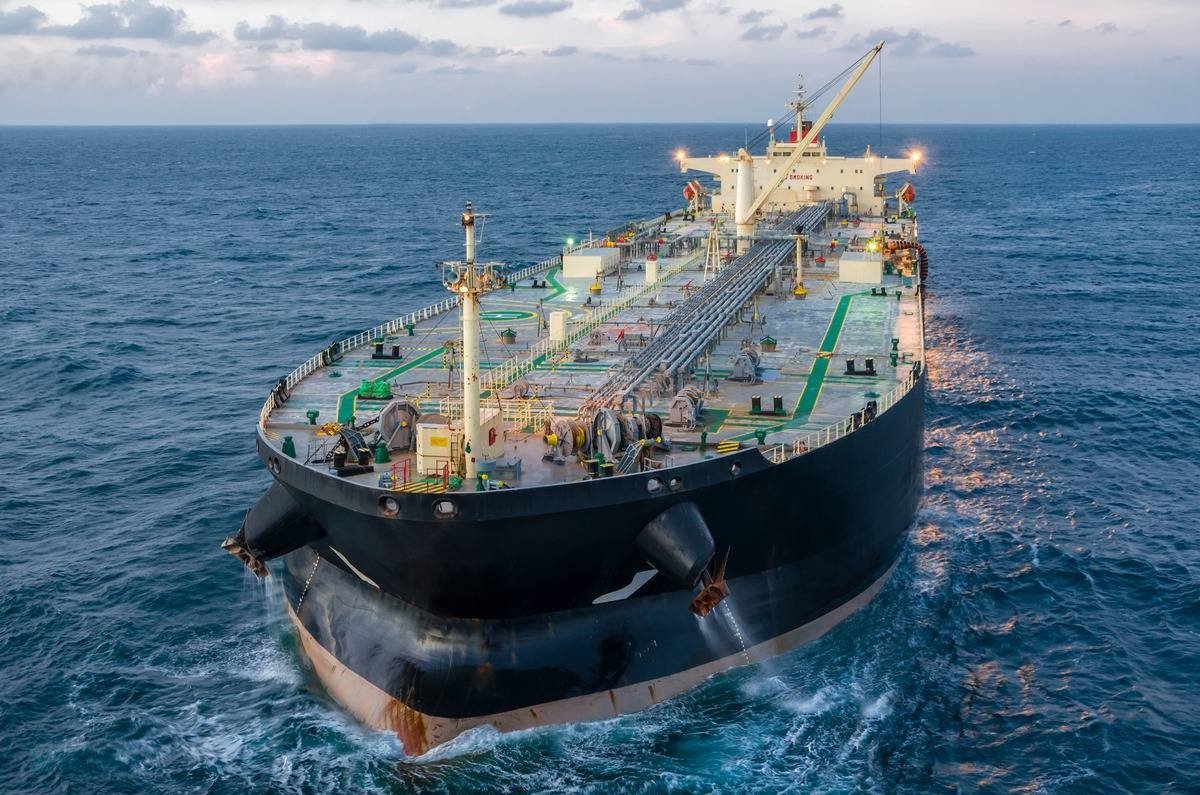
The Shipment: The cargo is being carried by the very large crude carrier (VLCC) Jaya. A second vessel, the Jordan, is also reportedly signaling India as its destination.
-
The Buyer: State-run Indian Oil Corporation (IOC), the nation’s top refiner, is the primary recipient of this initial shipment.
-
The Port: The cargo is heading toward India’s east coast, while earlier reports also tracked sanctioned vessels (such as the Ping Shun) signaling the west coast port of Vadinar.
Why Now? The Policy Shift
-
US Sanctions Waiver: The US recently granted a 30-day temporary waiver (valid until April 19, 2026) for Iranian oil that was already in transit. This move is intended to cool global oil prices, which surged toward $100 per barrel due to disruptions in the Strait of Hormuz.
-
Energy Security: Amid the US-Israel-Iran conflict, traditional supply routes have become volatile. By tapping back into Iranian crude, India—the world’s third-largest oil consumer—is diversifying its sources to ensure domestic fuel stability.
-
No Payment Hurdles: The Indian Oil Ministry has confirmed that, unlike in previous years, there are currently no payment hurdles for these transactions, suggesting a functional financial mechanism is in place for the sanctioned trade.
Timeline of India-Iran Oil Trade
-
May 2019: India halts all Iranian oil imports following the expiration of US “Significant Reduction Exceptions” (SREs) under the Trump administration.
-
2019–2025: Zero official crude imports from Tehran as India adheres to secondary US sanctions.
-
March–April 2026: India receives 44,000 metric tons of Iranian LPG (at Mangalore) followed by the current VLCC crude shipments.
Market Impact
The return of Iranian barrels—estimated at roughly 140 million barrels globally under current waivers—has already provided short-term relief. Brent crude prices, which hit highs earlier this year, have moderated to the $94–$95 range as of April 8, 2026.
Perspective: While this provides a much-needed “breather” for Indian refiners, the relief may be short-lived. The current US waiver is highly time-bound, and the future of these imports remains tied to the volatile geopolitical negotiations in the Middle East.
