

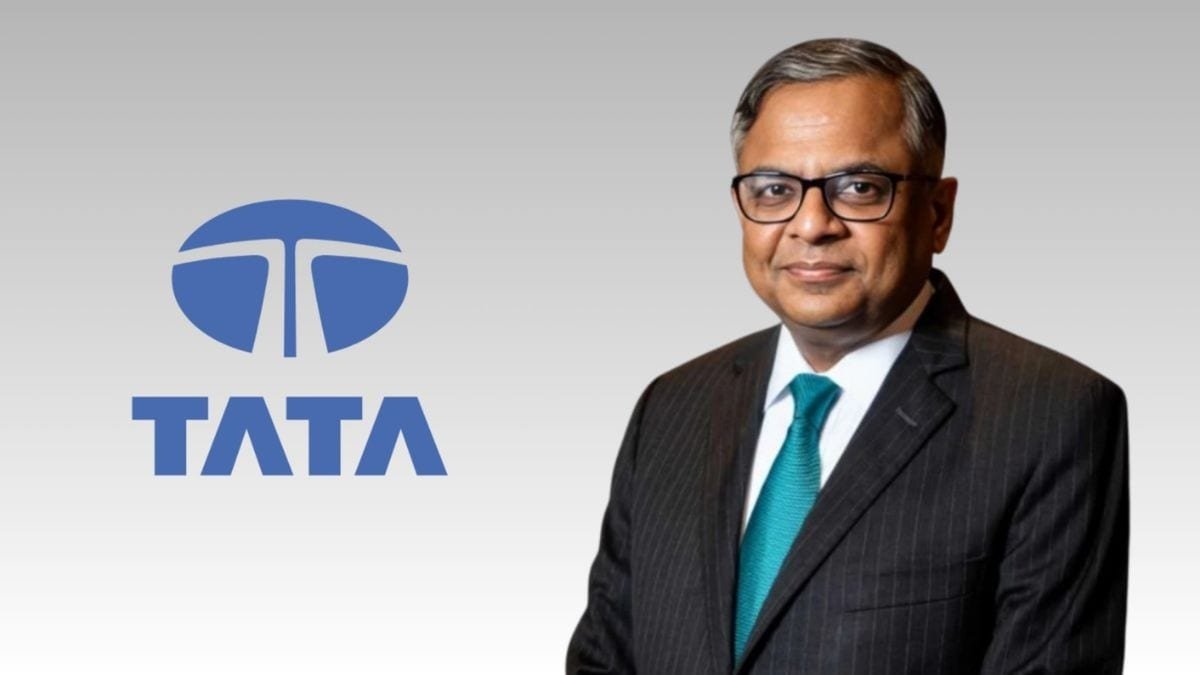
Shapoorji Pallonji (SP) Group chairman Shapoorji Pallonji Mistry has intensified his campaign for a public listing of Tata Sons, calling it a “necessary evolution” for India’s largest conglomerate. This push comes at a critical juncture as Tata Sons faces a ticking regulatory clock from the Reserve Bank of India (RBI).
1. The Core Arguments: Governance vs. Tradition
Mistry’s stance centers on transforming Tata Sons from a private holding company into a transparent, publicly accountable entity.
-
Value Unlocking: The SP Group holds an 18.37% stake in Tata Sons. A listing would provide a clear market valuation for this holding and offer a much-needed exit route or liquidity for minority shareholders.
-
Accountability: Mistry argues that listing would improve board oversight and reinforce the group’s “foundational values” through public scrutiny.
-
Philanthropic Impact: He contends that a public listing would create a more robust and predictable dividend stream for the Tata Trusts (which hold ~66%), ultimately increasing their capacity for social and philanthropic work.
2. The RBI “Upper Layer” Trigger
The debate isn’t just about preference; it’s about regulatory compliance. The RBI has classified Tata Sons as an Upper-Layer Non-Banking Financial Company (NBFC-UL).
-
The Rule: Under the RBI’s scale-based regulation framework, NBFCs in the “Upper Layer” are mandated to list on a stock exchange within three years of their classification.
-
The Deadline: Tata Sons was classified in September 2023, meaning it would technically need to list by September 2026.
-
The Exemption Request: Tata Sons has reportedly sought an exemption or a restructuring (such as spinning off its financial holdings) to avoid this requirement and maintain its private status.
3. Internal Rifts: Srinivasan vs. Tata Trusts
The “Tata ecosystem” is no longer a monolith on this issue.
| Stakeholder | Position | Rationale |
| SP Group | Pro-Listing | Unlocking minority value; improving transparency. |
| Venu Srinivasan | Pro-Listing | Called listing “inevitable” under current RBI classifications. |
| Tata Trusts | Anti-Listing | Previously resolved to keep the entity unlisted to maintain control and tradition. |
4. Financial Stakes: What a Listing Could Look Like
Market analysts estimate that if Tata Sons were to go public, it could be one of the largest IPOs in Indian history, potentially valuing the holding company at upwards of $100 billion to $150 billion, depending on the valuation of its underlying stakes in TCS, Tata Motors, Tata Steel, and others.
5. What’s Next?
The ball is currently in the RBI’s court. The central bank is expected to issue a revised circular on upper-layer NBFCs soon.
-
If the RBI denies an exemption, Tata Sons will be forced into an IPO by late 2026.
-
If an exemption is granted, the SP Group may have to seek other legal or “constructive engagement” routes to achieve liquidity.
The Bottom Line: For Shapoorji Pallonji Mistry, this is about more than just a regulatory deadline; it is an attempt to finalize a long-standing dispute over minority rights and transparency within the “House of Tata.”
