

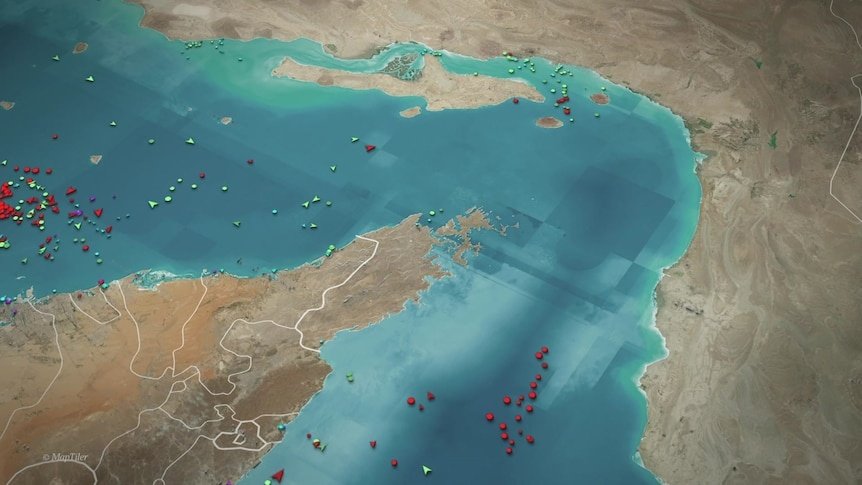
As the diplomatic mission heads to Islamabad, White House National Economic Council Director Kevin Hassett is painting a hopeful—and strategic—picture of the global economy. In a recent interview with Fox Business Network, Hassett suggested that the Strait of Hormuz could return to normal operations within the next two months, paving the way for a major drop in inflation and energy costs by June 2026.
The Economic “Domino Effect”
Hassett’s projections link the success of the current peace talks directly to the wallets of American consumers. The logic follows a clear sequence:
-
Reopen the Strait: Restore the flow of oil to pre-war levels.
-
Lower Energy Prices: Ending the bottleneck will cause a “rapid reduction” in fuel costs.
-
Tame Inflation: Lower energy costs reduce the price of goods and services.
-
Federal Reserve Pivot: With inflation cooled, Hassett believes the Fed will have the “solid” room it needs to finally cut interest rates.
A Ghost Town at Sea
The scale of the current disruption is staggering. Before the conflict ignited on February 28, the Strait of Hormuz saw upwards of 100 commercial vessels—primarily oil tankers—passing through daily.
According to data from Kpler, those numbers have plummeted to single digits. Even with a conditional ceasefire in place since Tuesday, the recovery has been sluggish:
-
Total transits since Thursday: Only 9 ships.
-
Outbound (Persian Gulf): 5 ships.
-
Inbound: 4 ships.
This “stranglehold” on the world’s most vital energy artery proves Iran’s continued leverage over the global economy, a point of significant friction for the Trump administration.
“With or Without Iran”
Hassett’s optimism is tempered by President Trump’s recent “World’s Most Powerful Reset” warning. On Thursday, the President criticized Tehran’s “dishonorable” management of the waterway, stating:
“You’ll see Oil start flowing, with or without the help of Iran and, to me, it makes no difference, either way.”
While the Economic Council is looking at June as a target for reconciliation, the underlying message is clear: the U.S. expects the oil to flow one way or another. Whether that happens through a diplomatic breakthrough in Pakistan or via the “best ammunition ever made” remains the primary question for global markets.
Why June Matters
Setting a June deadline provides a timeline for both the Federal Reserve and international markets. If the “Islamabad Reset” fails to move the needle on tanker traffic this month, the administration may pivot from Hassett’s economic optimism to the military “onslaught” Trump has recently teased.
For now, the White House is betting that the prospect of a stabilized economy and lower interest rates will provide enough momentum to push a deal across the finish line.
