

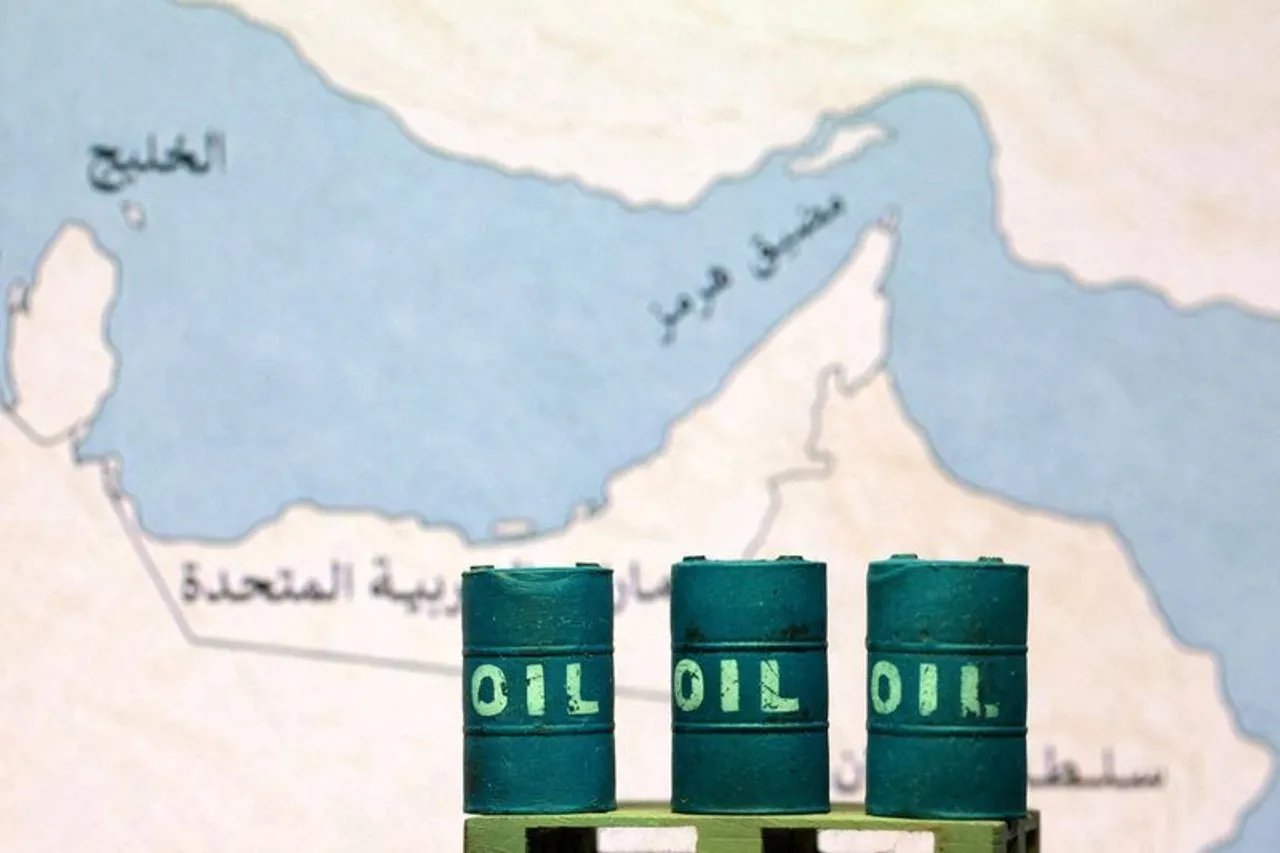
Saudi Arabia is reportedly applying diplomatic pressure on the Trump administration to abandon its naval blockade of Iranian ports. While the U.S. aims to “strangle” Tehran’s economy, Riyadh fears the move will trigger a catastrophic counter-response that could shut down the world’s remaining oil arteries.
The core of the concern lies in the fragile security of the Bab al-Mandeb—a narrow chokepoint in the Red Sea that has become Saudi Arabia’s primary export lifeline during the ongoing conflict.
The Saudi Dilemma: A Tale of Two Straits
Saudi Arabia has spent weeks successfully bypassing the Strait of Hormuz (currently under Iranian chokehold) by piping its crude across the desert to the Red Sea. This strategy restored their exports to pre-war levels of 7 million barrels per day.
However, this “escape route” is now under threat:
-
The Houthi Factor: The Bab al-Mandeb strait is flanked by Yemen, where Iran-aligned Houthi rebels hold significant territory.
-
The Threat: Riyadh warns that if the U.S. continues to block Iranian ports, Tehran will likely order the Houthis to shut down the Red Sea gateway, effectively “bottling up” Saudi oil.
Iran’s “Single Signal” Warning
Tehran has made it clear that it views the Red Sea and the Persian Gulf as a singular theater of maritime security.
“Tehran looks at Bab al-Mandeb just as it looks at Hormuz. If the White House thinks of repeating its stupid mistakes, it will quickly realize that the flow of global energy and trade can be disrupted with a single signal.” — Ali Akbar Velayati, Adviser to Iran’s Supreme Leader.
Furthermore, Iran’s armed forces issued a direct warning to its neighbors on Monday: “If the security of Iran’s ports… is threatened, no port in the Persian Gulf and the Sea of Oman will be safe.”
Regional Tensions and Economic Fallout
The six-week conflict has shattered the long-standing “tacit understanding” between Iran and its Gulf neighbors that economic interests would always trump direct war.
-
Oil Prices: With the Strait of Hormuz already restricted, global oil futures have surged above $100 a barrel.
-
Strategic Pivot: While the U.S. claims its Gulf allies support the “maximum pressure” campaign, the reported Saudi pushback suggests a deep rift in how to handle Tehran.
-
Negotiation vs. Blockade: Riyadh and other Gulf states are reportedly scrambling to bring both sides back to the negotiating table, fearing that a total blockade will lead to a regional “scorched earth” policy for energy infrastructure.
The Bottom Line
Saudi Arabia is currently caught in a geopolitical pincer. While they want to see Iranian influence curtailed, they are unwilling to sacrifice their own economic stability—specifically their Red Sea export route—to achieve it. For Riyadh, the risk of a “total maritime shutdown” outweighs the potential benefits of a U.S.-led blockade.
