

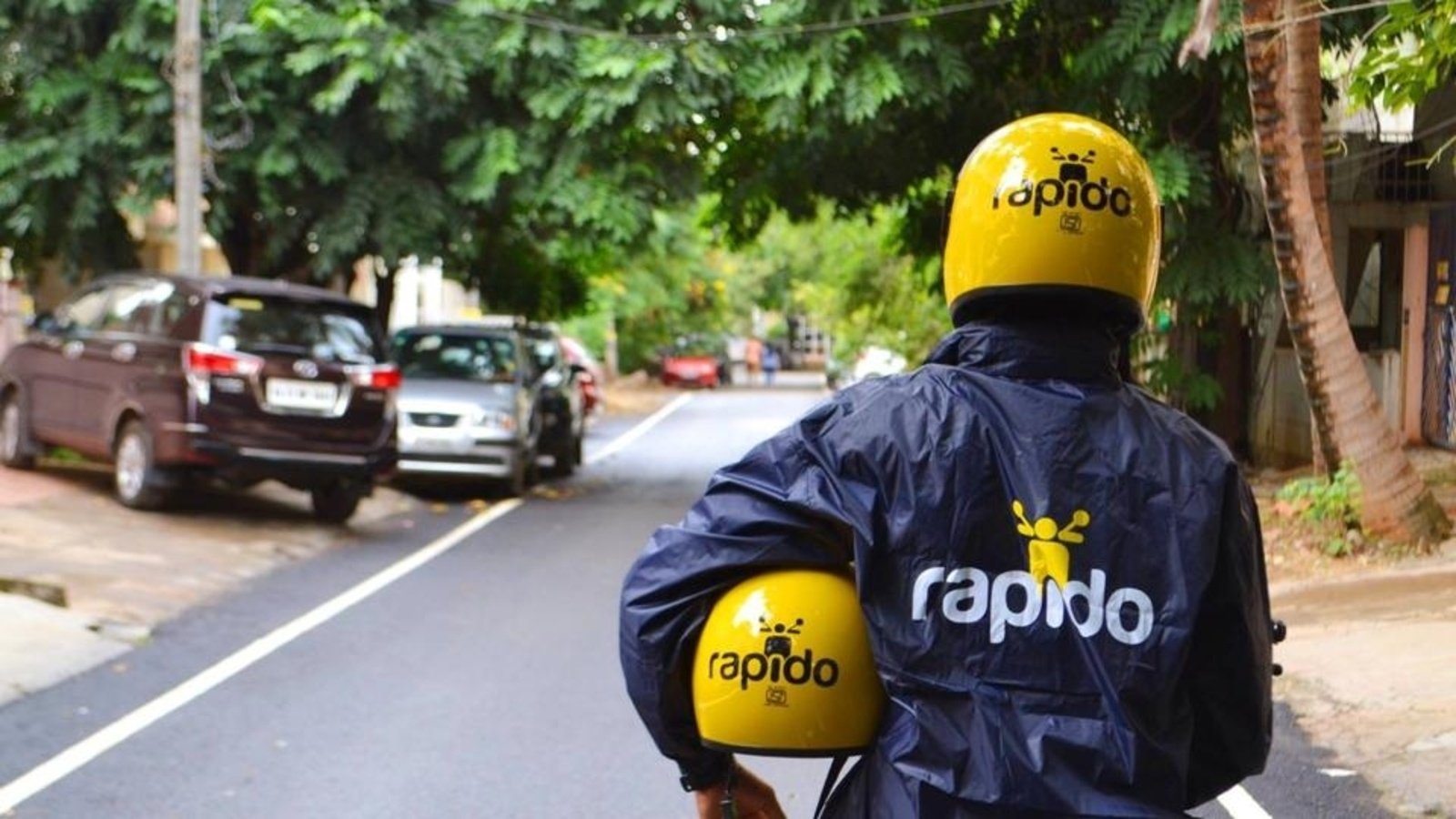
The long-standing battle between the Karnataka Government and bike taxi aggregators has reached a new boiling point. The state government has announced its decision to appeal to the Supreme Court (SC), challenging a recent High Court (HC) judgment that favored the operation of bike taxis in Bengaluru and other districts.
The Core Conflict
The Karnataka government’s stance remains firm: bike taxis are currently operating in a regulatory vacuum. The state argues that allowing these services without a comprehensive framework poses significant safety and administrative risks.
-
The High Court’s View: The HC recently ruled that bike taxis provide an essential “last-mile connectivity” solution for commuters and that the state cannot indefinitely block them while a regulatory framework is pending.
-
The State’s Counter-Argument: The Transport Department contends that white-board (private) vehicles cannot be used for commercial purposes without specific classification and safety guidelines, citing concerns over passenger insurance, driver verification, and the impact on the existing auto-rickshaw ecosystem.
Key Stakeholders & Their Positions
| Stakeholder | Position | Primary Concern |
| State Government | Opposed | Lack of regulation; potential for “law and order” issues. |
| Aggregators (Rapido/Uber) | In Favor | Right to business; meeting public demand for affordable transit. |
| Auto-Rickshaw Unions | Opposed | Loss of livelihood; “unfair competition” from non-commercial plates. |
| Commuters | Mixed | Want low-cost transit but seek safety and reliable pricing. |
What Happens Next?
The move to the Supreme Court effectively stalls the immediate expansion of these services. If the SC stays the High Court’s order, aggregators may face another round of impoundments and fines.
-
Legal Stay: The State will likely seek an immediate stay on the HC order to prevent “irreparable change” on the ground.
-
Regulatory Draft: Parallel to the legal battle, the Transport Department is under pressure to finalize the Karnataka Electric Bike Taxi Scheme, which originally aimed to allow only electric vehicles as taxis.
-
National Precedent: The SC’s decision in this case will likely set the tone for how “gig-economy” transport services are regulated across other Indian states facing similar friction.
The “Last-Mile” Dilemma
Despite the legal hurdles, the demand for bike taxis in Bengaluru remains at an all-time high due to chronic traffic congestion. Industry experts suggest that a complete ban is increasingly difficult to enforce, and the only sustainable path forward is a hybrid model of strict regulation rather than outright prohibition.
This is a developing legal story. The Supreme Court is expected to hear the petition within the coming weeks.
