

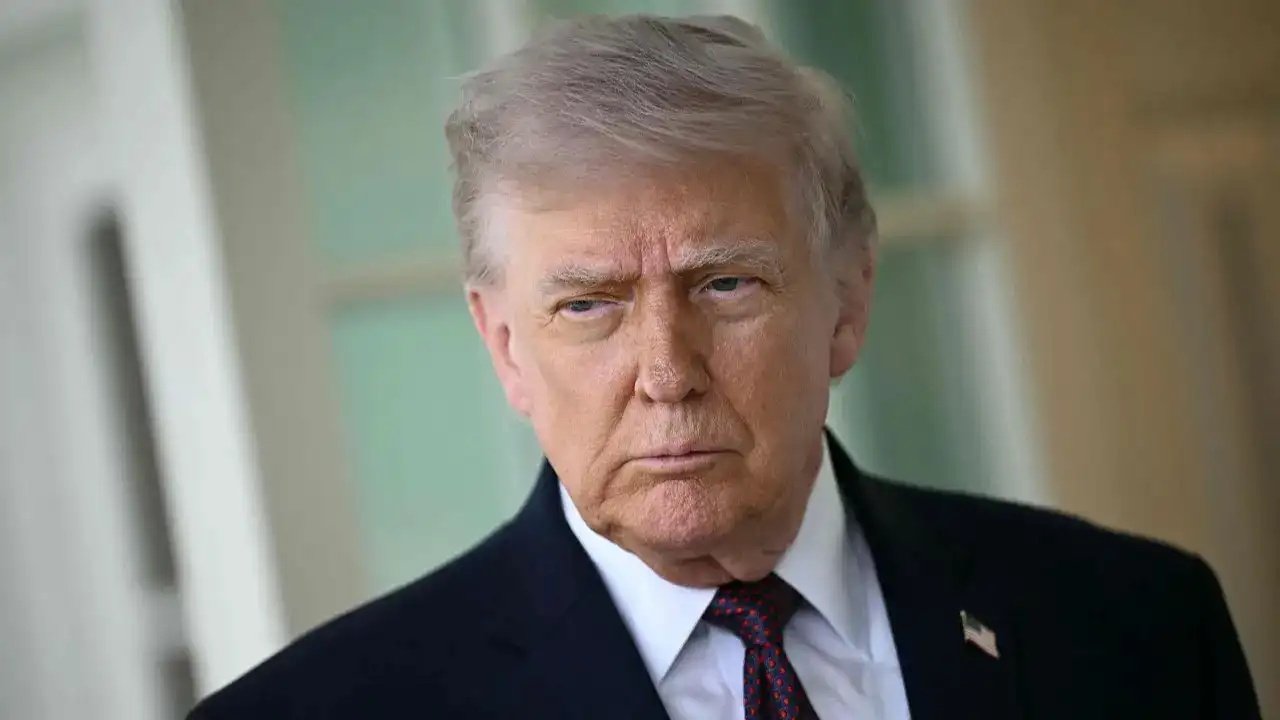
During his Senate confirmation hearing on April 21, 2026, Kevin Warsh, President Donald Trump’s nominee for Federal Reserve Chairman, called for a fundamental “regime change” in how the central bank operates. Warsh argued that the Fed’s current framework is outdated and requires a shift in both its inflation targets and its communication strategy.
1. Challenging the 2% Inflation Target
The most provocative part of Warsh’s testimony was his critique of the Fed’s long-standing 2% inflation target.
-
The “Productivity” Argument: Warsh suggested that in an era of rapid AI advancement and technological innovation, a strict 2% target might actually be too high. He argued that if technology makes things cheaper to produce (driving prices down naturally), the Fed should not artificially pump money into the economy just to reach an arbitrary 2% ceiling.
-
Price Stability Over Numbers: He advocated for a more flexible definition of “price stability,” suggesting that the Fed should tolerate lower inflation if it is driven by productivity gains rather than economic weakness.
2. Ending “Forward Guidance”
Warsh signaled an end to the era of “Forward Guidance”—the practice of telling markets exactly what the Fed plans to do months in advance.
-
Market Whiplash: He criticized the Fed for being too “chatty,” arguing that constant speeches by various officials create unnecessary market volatility.
-
Data-Dependent, Not Date-Dependent: Warsh wants the Fed to react to real-time economic data rather than sticking to a pre-announced path. This would make the Fed less predictable but, in his view, more agile and effective.
3. Institutional “Regime Change”
Warsh’s call for “regime change” refers to a shift in the Fed’s internal culture:
-
The “Groupthink” Critique: He suggested that the current Fed has become too insular and academic. He wants to bring in more voices from the “real economy,” including business leaders and market practitioners, to challenge the prevailing consensus.
-
Operational Efficiency: Beyond interest rates, Warsh wants to overhaul the Fed’s balance sheet management, moving away from the massive asset holdings that characterized the post-2008 and post-pandemic eras.
Political and Market Reaction
The “regime change” rhetoric has polarized the Senate:
-
Supporters see Warsh as a necessary disruptor who will modernize a central bank that failed to anticipate the 2021-2022 inflation surge.
-
Critics fear that “regime change” is a euphemism for politicizing the Fed, making it more responsive to the White House and less focused on long-term economic stability.
As the May 15 deadline for Jerome Powell’s departure nears, Warsh’s vision represents the most significant proposed shift in American monetary policy in over forty years.
