

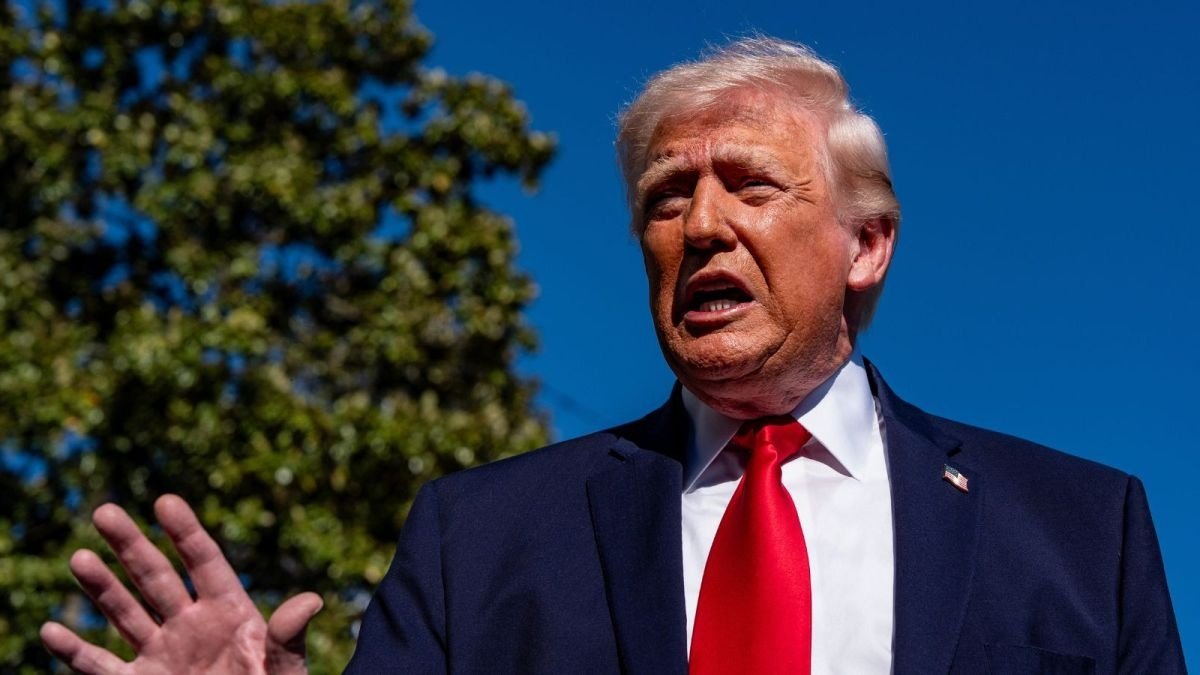
In a series of high-profile declarations on Truth Social, Donald Trump announced what he termed a “great and brilliant day for the world,” claiming that Iran has committed to never again weaponize the Strait of Hormuz. The news comes at a pivotal moment in the 2026 West Asian conflict, signaling a significant shift in the maritime “chess game” that has defined the year.
The “Open for Business” Declaration
Trump’s claims follow an earlier announcement from Iranian Foreign Minister Abbas Araghchi, who confirmed that commercial shipping would remain fully open during the current ceasefire period.
-
Permanent Status: Trump characterized the agreement as a permanent shift, stating, “Iran has agreed to never close the Strait of Hormuz again… It will no longer be used as a weapon against the world.”
-
Demining Operations: In a surprising update, Trump also noted that Iran—with U.S. assistance—is actively removing all sea mines from the waterway.
-
Coordinated Transit: According to Araghchi, all commercial vessels will now follow a designated route coordinated by Iran’s Ports and Maritime Organisation.
The “Full Force” Blockade Continues
Despite the apparent opening of the Strait, the Biden-Trump transition era’s hardline stance remains in effect. Trump clarified that while the waterway is open for global business, the US naval blockade specifically targeting Iranian ports will remain in “full force” until a comprehensive and final deal is signed.
Market Impact: A Sigh of Relief
The Strait of Hormuz is the world’s most critical oil transit chokepoint. The news had an immediate cooling effect on global energy markets:
| Indicator | Impact |
| Oil Prices | Fell by over 10% following the signals of a permanent reopening. |
| S&P 500 | Rallied as geopolitical risk premiums began to evaporate. |
| Global Shipping | Expected to see a reduction in insurance premiums for tankers transiting the Gulf. |
A Fragile De-escalation
While the reopening offers immediate relief, significant diplomatic hurdles remain:
-
Ceasefire Contradictions: While Araghchi linked the opening to a temporary ceasefire, Iran’s deputy foreign minister signaled that Tehran is pushing for a permanent end to hostilities rather than a temporary pause.
-
Verification: Iranian officials have yet to officially use the word “never” regarding future closures, leaving some analysts cautious about whether this is a long-term commitment or a tactical move to lift the blockade.
-
The “Chessboard” Context: This development follows the US deployment of the MQ-4C Triton drone over Cuba and the redirection of the USS George HW Bush around Africa, suggesting that the US is negotiating from a position of encircling maritime pressure.
For now, the world’s energy lifeline appears to be functioning, but the “full force” of the US blockade ensures that the final move on this geopolitical chessboard has yet to be played.
