

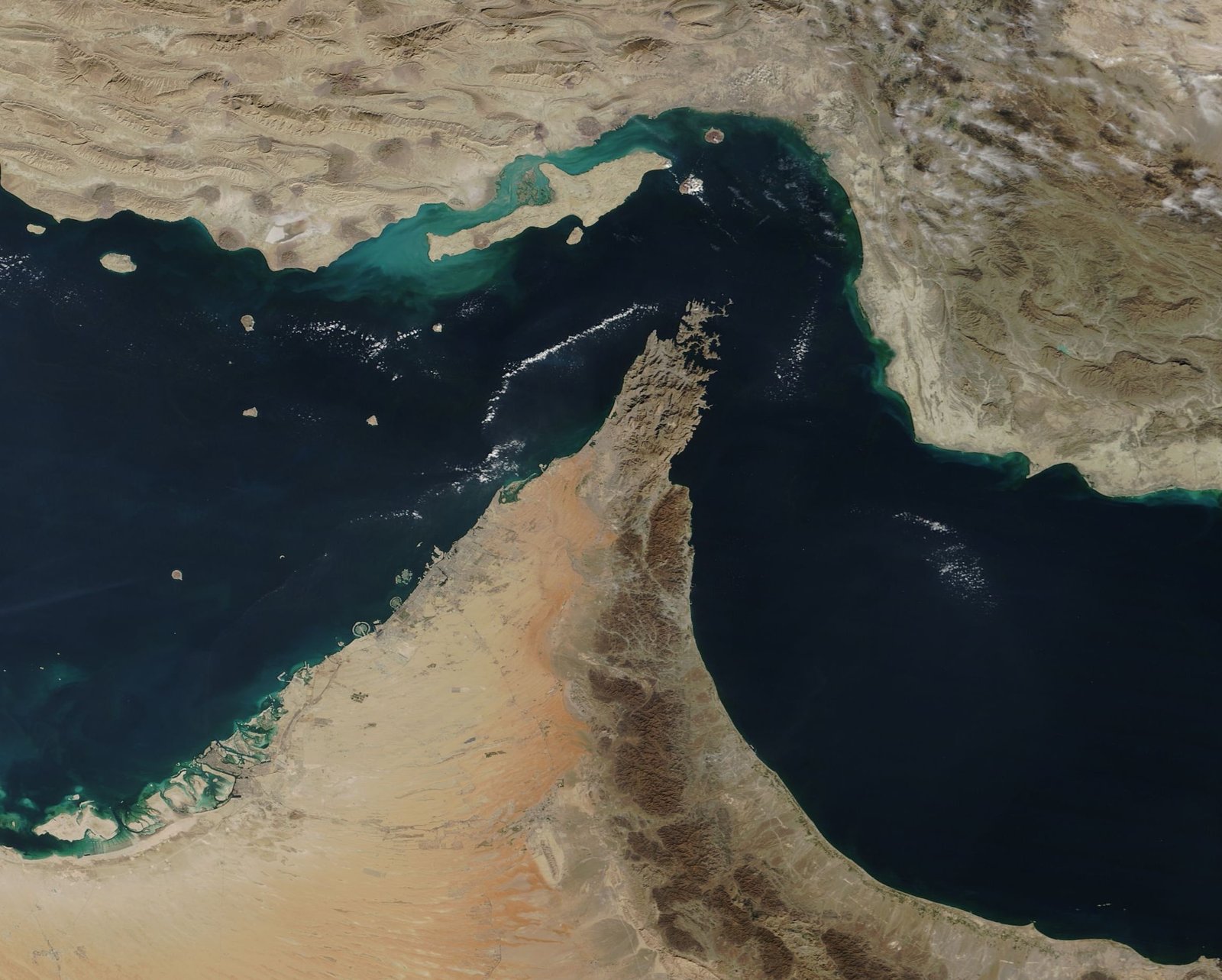
On the evening of April 17, 2026, Donald Trump clarified the United States’ stance on the sudden de-escalation in the Persian Gulf. While he celebrated Iran’s decision to reopen the Strait of Hormuz, he made it clear that the American “squeeze” on Iranian economy remains non-negotiable until a final deal is signed.
The “Full Force” Blockade
Despite the Strait being “open for business” for global commerce, Trump emphasized that the US naval blockade specifically targeting Iranian ports is not going anywhere.
-
The Condition: In an all-caps post on Truth Social, Trump stated the blockade would remain in place “until such time as our transaction with Iran is 100% complete.”
-
The Timeline: He signaled optimism, suggesting the process would move quickly because “most of the points are already negotiated.”
-
The Intent: This dual-track approach allows global energy markets to breathe while keeping maximum economic pressure on Tehran to finalize the “grand bargain” currently on the table.
Iran’s Strategic Pivot
The shift began earlier in the day when Iranian Foreign Minister Abbas Araghchi announced a total opening of the waterway, linked to the ongoing ceasefire in Lebanon.
-
Coordinated Transit: All commercial vessels are now permitted to pass through a specific route designated by Iran’s Ports and Maritime Organisation.
-
The “Thank You”: Trump responded to this move with uncharacteristic brevity on social media, writing: “IRAN HAS JUST ANNOUNCED THAT THE STRAIT OF HORMUZ IS FULLY OPEN AND READY FOR FULL PASSAGE. THANK YOU!”
Market Reaction: The “Hormuz Slump”
The mere confirmation that the world’s most critical oil chokepoint is functional sent shockwaves through the commodities market.
| Financial Metric | Movement | Current Value (approx.) |
| Brent Crude | ↓ 8.5% – 10% | $90.93 a barrel |
| Price Drop | -$8.46 | — |
| Market Sentiment | High Rally | S&P 500 up significantly |
The Chessboard Context
This development is seen as a direct result of the “maritime encirclement” strategy the US has employed throughout early 2026. With the USS George HW Bush repositioning and the MQ-4C Triton surveillance expanding, Iran’s move to open the Strait is interpreted by many analysts as an attempt to prevent further military escalation while its economy remains under a naval siege.
While the “Gate of Tears” (Bab el-Mandeb) and other chokepoints remain tense, the reopening of Hormuz marks the most significant step toward global energy stability since the conflict began.
