

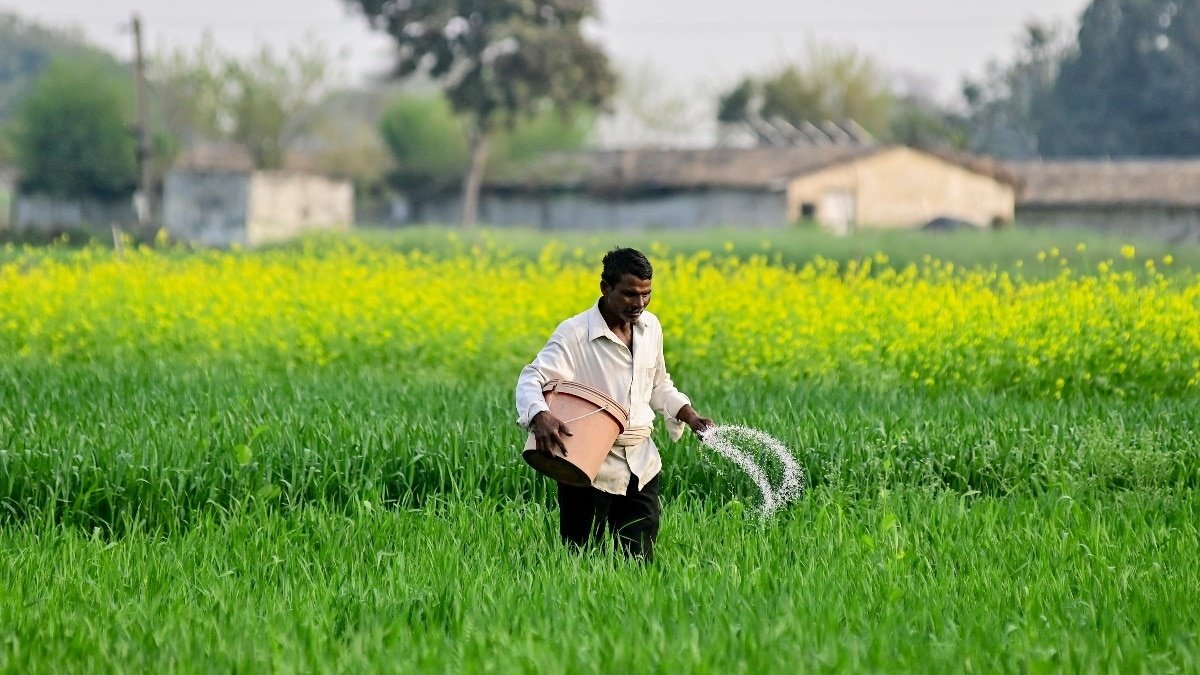
India has moved to safeguard its food security by contracting a massive 2.5 million metric tonnes of urea in a single tender. However, the deal comes at a steep premium, with prices nearly double what the government paid just two months ago, driven by the intensifying conflict in the Strait of Hormuz.
The Massive Cost of Certainty
State-run Indian Potash Ltd (IPL) finalized the deal to ensure sufficient fertilizer supply for the upcoming sowing season. The price jump reflects the extreme volatility in the global energy and petrochemical markets:
-
Current Price: Approximately $935–$959 per tonne.
-
Previous Price: Just over $500 per tonne in the last tender.
-
Scale: This single purchase covers 25% of India’s annual import requirement (which is typically 10 million tonnes).
Pricing Breakdown:
| Delivery Coast | Quantity (Metric Tonnes) | Price Per Tonne |
| West Coast | 1.5 Million | $935 |
| East Coast | 1.0 Million | $959 |
The Hormuz Factor: Energy and Agriculture Link
The ongoing blockade of the Strait of Hormuz has created a domino effect that directly impacts Indian farming. Urea production is heavily dependent on Natural Gas (LNG), which serves as a primary feedstock.
-
LNG Disruptions: Tensions between the US and Iran have choked gas supplies, forcing global producers to hike prices.
-
Domestic Impact: India’s own urea manufacturing plants rely on imported LNG; any disruption in these shipments forces the country to rely more heavily on expensive finished imports.
-
Market “Scramble”: Industry experts warn that India’s massive procurement has sucked up available global supply, leaving other importing nations struggling to secure stocks.
Looking Ahead: Deadlines and Logistics
Despite the high costs, the priority remains the timely arrival of the fertilizer. All shipments under this record deal are scheduled to depart by June 14, 2026, to reach Indian ports in time for peak agricultural demand.
While the procurement secures the immediate needs of farmers, the nearly 2x price tag is expected to significantly increase the government’s fertilizer subsidy burden for the current fiscal year.
