

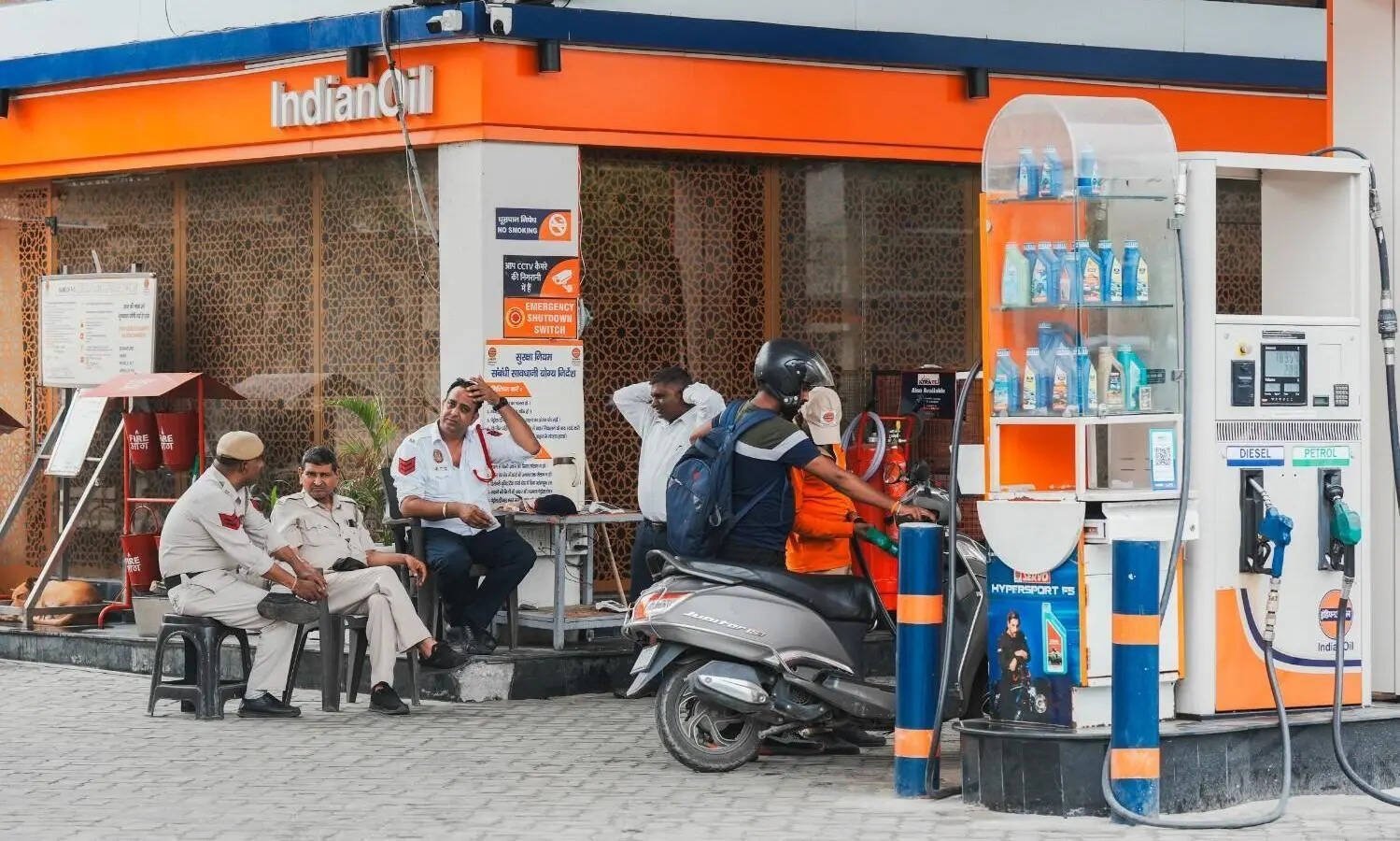
Indian Oil Corporation (IOC), the country’s largest state-owned oil marketing firm, has issued a strong reassurance to the public stating that there is no nationwide fuel shortage for petrol or diesel. Addressing recent reports of dry pumps at specific retail outlets, the energy giant classified these disruptions as highly localized, temporary bottlenecks rather than a structural supply crisis.
The company emphasized that overall inventories remain entirely sufficient nationwide, with state-owned Oil Marketing Companies (OMCs) actively rebalancing logistics to ensure uninterrupted flows.
The Root Cause: Shifting Demand Dynamics
Rather than a shortfall in fuel production or crude availability, IOC explained that the localized stock-outs are a result of sudden, significant shifts in consumer buying patterns across specific regions.
Three core factors are driving this asymmetric demand spike at public sector pumps:
-
The Harvesting Surge: The ongoing agricultural harvesting season has caused a predictable, sharp seasonal spike in diesel consumption across India’s rural and farming belts.
-
The Private-to-PSU Migration: Major private fuel retailers have kept their retail prices relatively higher to cope with global oil market volatility. As a result, everyday motorists are migrating en masse to public sector undertakings (PSUs) like IOC, where retail prices have remained steady.
-
Bulk Price Arbitrage: International market pricing pressures mean that “bulk” and institutional fuel supplies (sold directly to large commercial enterprises) are currently priced significantly higher than retail rates. This has driven massive commercial buyers away from direct distribution channels and straight into standard retail fuel stations to fill up at cheaper consumer rates.
By the Numbers: Historic Consumption Leaps
Despite the immense pressure on its retail footprint, IOC’s distribution networks have continued to absorb unprecedented volume surges.
| Fuel Type | Sales Growth (May 1–22, YoY) | Network Impact | Supply Status |
| Petrol | +14% | Normal operations at over 99% of locations | Adequate nationwide buffers |
| Diesel | +18% | Temporary dry spells at a “very small number” of pumps | Active logistical redistribution |
The Takeaway: Out of IOC’s massive nationwide network of more than 42,000 fuel stations, only a minuscule fraction experienced temporary operational halts due to rapid tank depletion. The company has explicitly requested that consumers avoid unnecessary panic buying, which artificially exacerbates localized supply strains, reiterating its strict commitment to maintaining a seamless fuel supply.
