

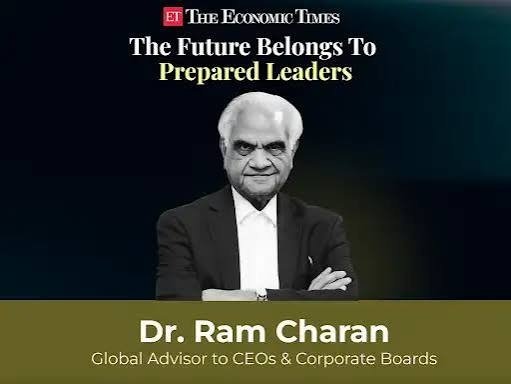
Faced with rapid technological disruption, shifting macroeconomic realities, and intense market rivalry, India’s corporate boardrooms are fundamentally changing how they evaluate and install top executive talent. Companies across various sectors are moving away from traditional, tenure-based succession models in favor of dynamic, future-ready leadership frameworks.
The Shift Toward Agility and Digital Acumen
The modern Indian boardroom is increasingly prioritizing executives who exhibit high digital literacy and the capacity to pivot strategies quickly. With artificial intelligence (AI), automation, and complex global supply chains fundamentally altering business models, companies are finding that traditional operational experience is no longer a sufficient prerequisite for the corner office. Boardrooms are actively seeking “disruptors”—leaders capable of navigating regulatory shifts and spearheading massive digital transformations.
Strategic Talent Acquisition and Executive Search
The pressure to remain competitive has triggered a noticeable shift in how executive searches are conducted:
-
Emphasizing Cross-Industry Expertise: Organizations are breaking down industry silos, pulling executive talent from tech, consumer internet, and global multinationals to breathe fresh strategic thinking into legacy businesses.
-
Rigorous Succession Planning: Rather than treating succession as an emergency response to a vacancy, boards are implementing multi-year talent pipelines, continuously benchmarking internal candidates against external market leaders.
-
The Rise of the Co-CEO and Modular Structures: To distribute the massive operational load of modern business, some Indian firms are experimenting with joint leadership models or dividing operational responsibilities into independent, agile business units.
Prioritizing Corporate Governance and Culture
The push to restructure leadership isn’t just about financial performance; it is deeply tied to sustainability and corporate governance. Indian corporations are under greater stakeholder and regulatory scrutiny regarding environmental, social, and governance (ESG) metrics. Consequently, the mandate for incoming CEOs has expanded: today’s leaders are expected to protect brand reputation, build inclusive corporate cultures, and balance aggressive market growth with robust risk management frameworks.
