

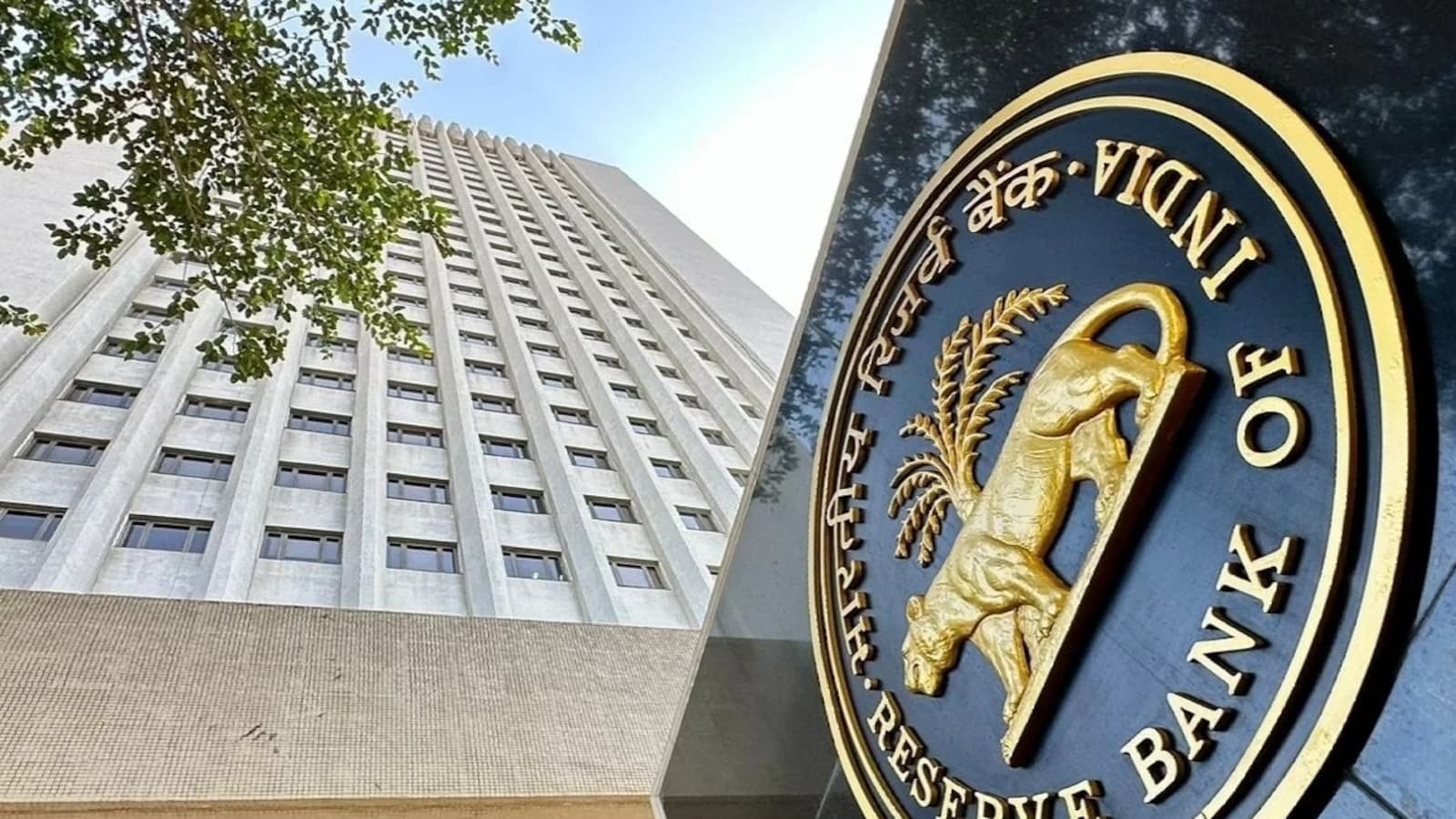
The Reserve Bank of India (RBI) has set up an eight-member expert panel named the Committee for a Quantum Secure and Adaptive Financial Ecosystem (Q-SAFE). The panel’s mission is to examine the dual nature of quantum computing—balancing its computational opportunities against its severe cryptographic risks—to formulate a secure roadmap for the nation’s financial grid.
Key Highlights of the Q-SAFE Initiative
-
The Leadership: Anil Prabhakar, a professor from the Department of Electrical Engineering at IIT Madras, has been appointed as the convenor of the panel. The central bank’s internal FinTech Department will handle the administrative and secretarial support.
-
The Paradigm Shift: Quantum computing utilizes the complex principles of quantum mechanics, specifically superposition (existing in multiple states at once) and entanglement (particles mimicking each other across distances). While this allows financial institutions to compute highly advanced risk assessments, portfolio optimization models, and macroeconomic forecasts instantly, it introduces an existential threat to modern banking security.
-
The Ultimate Threat: The immense processing power of mature quantum systems has the potential to easily compromise and shatter the traditional cryptographic standards (like RSA encryption) currently protecting global digital banking data, digital signatures, and electronic fund transfers.
Core Terms of Reference & Action Plan
The central bank has tasked the committee with executing a comprehensive structural audit over a short timeframe. The panel must submit its final strategy report within six months of its first meeting, focusing heavily on the following pillars:
