

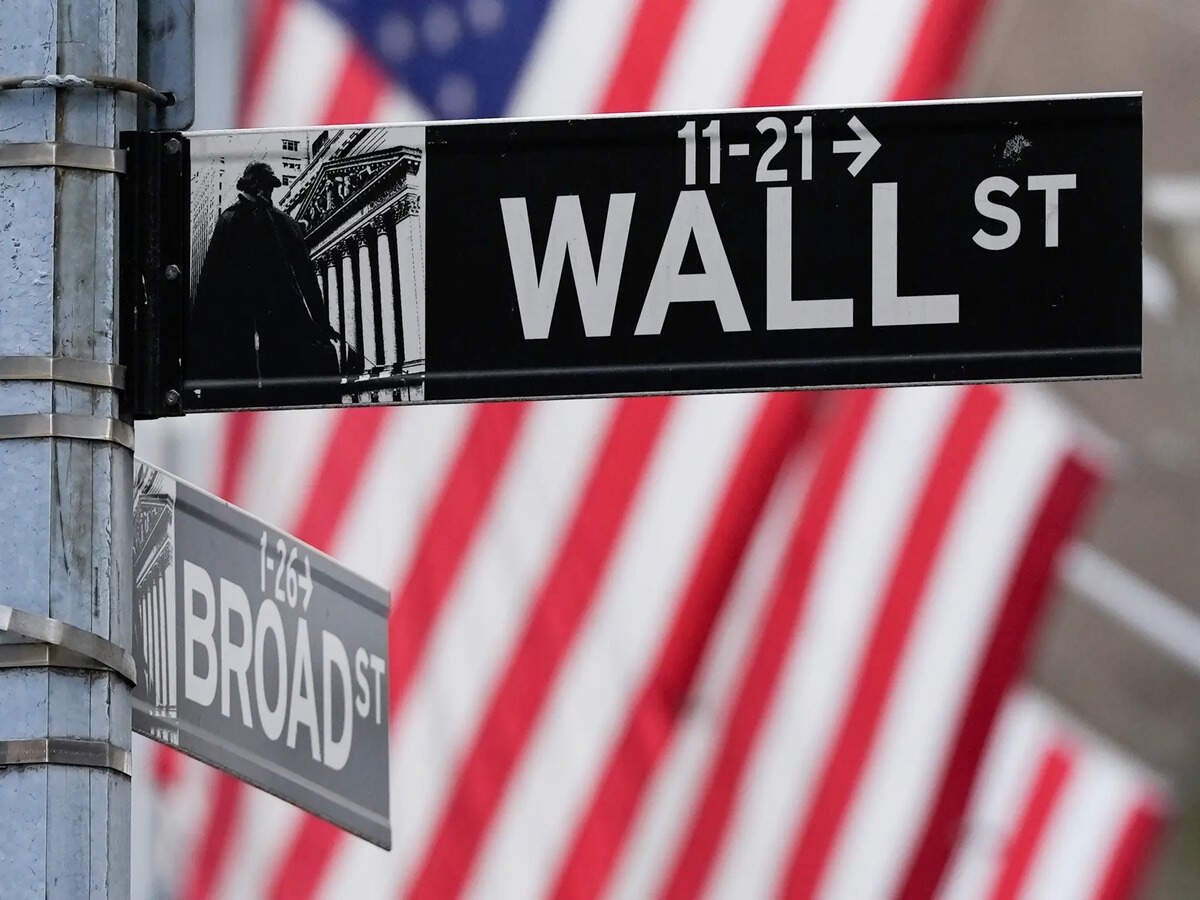
Wall Street’s main indexes bounced back sharply on Monday, staging a solid recovery following a brutal tech-led rout in the previous session. Investors found a dual dose of confidence as heavily beaten-down semiconductor stocks experienced aggressive buying, while cooling geopolitical friction in the Middle East gave global risk appetite a welcome boost.
The $1 Trillion Chip Bounce-Back
The Philadelphia SE Semiconductor index jumped 4.6%, launching a major counter-rally just days after a brutal post-Broadcom earnings slide wiped out nearly $1 trillion in market value from US-listed chipmakers.
Traders who had retreated late last week on fears that the artificial intelligence infrastructure trade was growing “too far, too fast” moved quickly to buy the dip.
-
Intel (INTC): Surged 8.5% following explosive reports that Alphabet has tapped the silicon pioneer to manufacture over three million custom AI chips.
-
Micron Technology (MU): Advanced 8.7%, fully reversing its previous-day losses.
-
Marvell Technology (MRVL): Climbed over 8% on the back of news that the chipmaker is set to join the benchmark S&P 500 index later this month.
-
Nvidia (NVDA) & Broadcom (AVGO): Climbed 1.7% and 2.8% respectively, restoring calm to highly leveraged technology portfolios.
Geopolitical Relief Tames Oil Volatility
Providing a vital macro tailwind to equities, the Iranian military announced that its latest wave of missile strikes against Israel was over. Adding to the diplomatic relief, Israeli officials indicated they had paused retaliatory strikes following a direct request from U.S. President Donald Trump to allow fragile regional peace negotiations to proceed.
The stabilization of crude prices eased immediate fears of systemic, energy-driven inflation, allowing broader market sectors like transport and consumer discretionary to breathe a sigh of relief.
The Macro Reality: A Hawkish Fed Looming
While Monday’s session belonged to the bulls, underlying macroeconomic realities suggest that volatility isn’t going away anytime soon.
Following a much stronger-than-expected May jobs report showing 172,000 new positions added, bond yields remain elevated. Interest rate futures are now pricing in a 42% probability of a 25 basis point Federal Reserve interest rate hike in December, a sharp shift away from the rate cuts investors originally anticipated for 2026.
Strategist Takeaway: “Sometimes these tech moves run too far too fast, and a temporary pullback is normal,” noted Art Hogan, chief market strategist at B Riley Wealth. With major macroeconomic indicators stabilizing, all eyes now pivot to Wednesday’s critical Consumer Price Index (CPI) inflation print to see exactly how energy shocks have trickled into core economic prices.
