

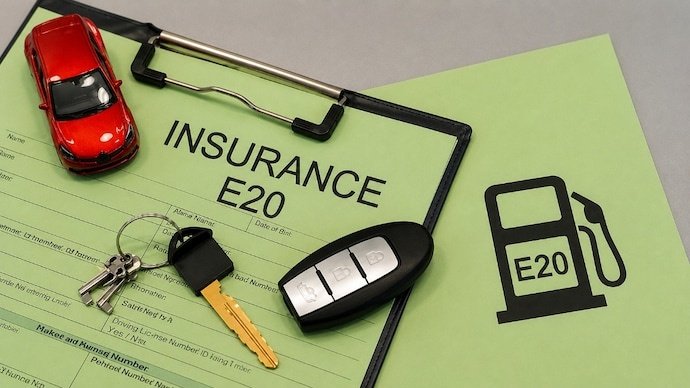
Building on the industry-wide consensus, ICICI Lombard General Insurance has double-downed on its reassurance to Indian motorists: using E20 petrol—even in older cars and two-wheelers—will not jeopardize your motor insurance claims.
The Ministry of Petroleum and Natural Gas has stepped into the debate to support this stance. The Ministry characterized the growing panic around E20 as “largely unfounded,” referencing extensive testing by the Automotive Research Association of India (ARAI) and Indian Oil Corporation’s R&D divisions to clear up lingering doubts.
The Core Takeaway: Perils and Performance Under the New Regime
The latest official advisories from both the insurance sector and government bodies highlight a clear divide between legal claim validity and real-world mechanical impact.
1. The Insurance Safety Net
ICICI Lombard reiterated that the introduction of the government’s ethanol blending program is viewed as a “progressive and environment-friendly step.”
-
No Negligence Clause: Filling an older, non-compliant vehicle with E20 fuel will not be legally classified as owner negligence.
-
Claim Admissibility: If a vehicle suffers damage from a crash, a natural calamity, or theft, the claim will be processed under standard comprehensive guidelines. The fuel composition inside the tank remains completely irrelevant to the surveyor’s assessment.
2. The Government’s Data on Engine Performance
To calm consumer worries regarding vehicle performance and efficiency drops, the Ministry of Petroleum and Natural Gas released verified benchmark figures:
| Metric / Component | Projected Impact under E20 Fuel | Source / Agency |
| Fuel Efficiency / Mileage | 1% to 6% drop (depending on vehicle age & engine capacity) | ARAI & Indian Oil R&D |
| Compatible Engines | Minimal to zero impact on performance and calibration | ARAI & Indian Oil R&D |
| Older Engines (Pre-2023) | Accelerated wear in plastic/rubber hoses, gaskets, and seals | Ministry of Petroleum |
Operational Guide for Owners of Older Vehicles
Because E20 has rapidly replaced pure petrol across retail pumps in major Indian cities, driving an older vehicle requires a shift in preventative maintenance. Since insurance excludes gradual material wear, motorists must actively protect their engine’s fuel line infrastructure.
1.Check Manufacturer Guidelines:First Step.
The Bottom Line
Your legal rights under your comprehensive motor insurance policy are completely protected against accidental damage or loss, regardless of the fuel blend used. However, the financial responsibility for fixing regular wear and tear on older fuel systems, or dealing with a slight drop in mileage, sits squarely with the vehicle owner. Regular, proactive maintenance during your scheduled service intervals is the best way to handle the nationwide transition to E20.
