

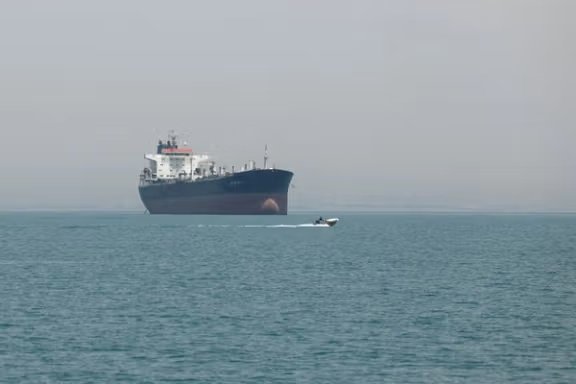
A fragile peace in the world’s most critical energy chokepoint may soon come with a premium. Just weeks after a temporary diplomatic breakthrough calmed global markets, Tehran is preparing to introduce an aggressive “insurance fee” system for commercial vessels navigating the Strait of Hormuz. The controversial policy, slated for implementation after its 60-day agreement with the United States expires, threatens to drastically rewrite the rules of global maritime trade.
The Post-Ceasefire Playbook
Currently, shipping lanes in the strait are governed by a temporary 60-day ceasefire known as the Islamabad Memorandum of Understanding. Under this U.S.-Iran agreement, Tehran promised not to levy any transit charges on international vessels.
However, behind the scenes, Iran is already constructing the bureaucratic infrastructure to monetize the waterway once that clock runs out. According to maritime intelligence group Lloyd’s List, Tehran has quietly established the Persian Gulf Strait Authority (PGSA). The new authority has circulated a notice to global shipping lines warning that while “transit insurance” is currently free and covered by the Iranian government, a mandatory fee-based system is actively being structured for the post-ceasefire era.
Routing Violations and Total Oversight
The PGSA’s new maritime mandate goes far beyond a simple tax. It represents a sweeping bid for absolute territorial control:
-
Mandatory Corridors: Iran is dictating explicit navigation routes, forcing vessels to sail close to Iran’s heavily fortified Larak Island.
-
Permits & Approvals: The PGSA now claims sole authority over transit applications and the issuance of passage permits.
-
Heavy Penalties: Any deviation from the designated Iranian routes or failure to purchase the upcoming insurance will be treated as a violation, granting the PGSA the self-declared right to impose financial penalties, revoke entry permissions, or take legal action against the ships.
A Divided Shipping Industry
The proposal has triggered an unexpected divide among international maritime players, highlighting just how desperate the industry has become for regional stability:
The Legal and Geopolitical Stumbling Blocks
Legally, Iran’s plan walks a dangerous line. International maritime law fundamentally guarantees the right of “innocent passage” through international straits, explicitly forbidding sovereign nations from imposing transit tolls. However, legal loopholes do exist. Other strategic waterways charge fees if they are tied directly to navigational safety, pilotage services, or environmental protection—the exact guise under which Iran is framing its “insurance” pool.
Geopolitically, the ultimate success of Iran’s gamble hinges entirely on Oman.
The Strait of Hormuz is only 21 nautical miles wide at its narrowest point, and its shipping lanes span both Iranian and Omani territorial waters. If Muscat refuses to endorse Tehran’s fee structure, global shipowners can simply alter their routes to hug the Omani coastline, completely bypassing Iranian jurisdiction and rendering the PGSA’s new mandate virtually unenforceable.
