

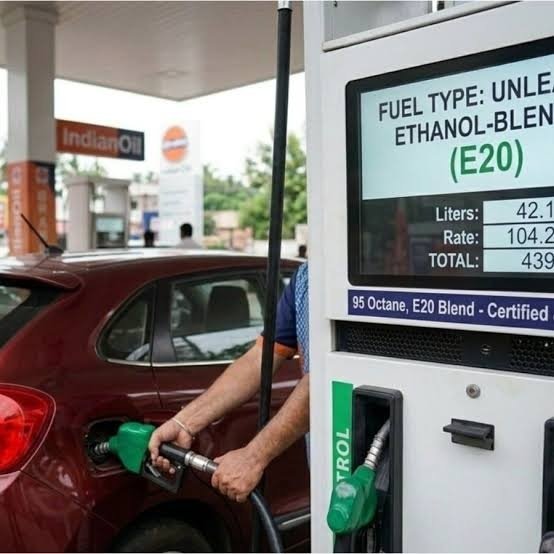
The recent viral panic over E20 fuel (petrol blended with 20% ethanol) and motor insurance highlights a massive gap between government policies and standard insurance coverage.
While the government and insurers like ICICI Lombard have formally clarified that using E20 fuel will not void your motor insurance policy or be labeled as “negligence,” the real financial risk remains completely unaddressed for owners of older vehicles.
The Reality of E20-Related Claims
If you own a vehicle manufactured before April 2023 (when E20-compliance became mandatory under BS6 Phase 2), long-term usage of E20 fuel can cause serious mechanical issues. However, getting your insurer to pay for those repairs is highly unlikely.
| Type of Event / Damage | Covered by Standard Policy? | The Insurance Underwriting Rationale |
| Accidental Crash Damage | Yes | Sudden, accidental, and unintended event. |
| Fire, Theft, or Flooding | Yes | Standard insured perils under a comprehensive plan. |
| Corroded Fuel Lines / Seals | No | Classified as gradual wear and tear or material degradation over time. |
| Engine Failure from Fuel Use | No | Deemed consequential damage, which standard policies explicitly exclude. |
Why “Engine Protection” Add-ons Won’t Save You
Many vehicle owners assume that paying extra for an “Engine Protection” add-on covers any mechanical failure under the hood. However, insurers design these specific riders for very narrow use cases:
-
What they cover: Hydrostatic lock (water entering the engine during a flood) or sudden engine seizure due to an accidental leakage of lubricants.
-
What they exclude: Chemical corrosion, moisture absorption, or internal component degradation directly caused by the type of fuel resting in your tank.
The Crux of the Problem:
Since April 2025, E20 has been the baseline fuel at almost every petrol station in India. Owners of older cars cannot choose an E10 blend even if they want to. Yet, insurance products remain fundamentally unchanged, leaving millions of motorists entirely exposed to out-of-pocket costs for fuel-system failures.
