

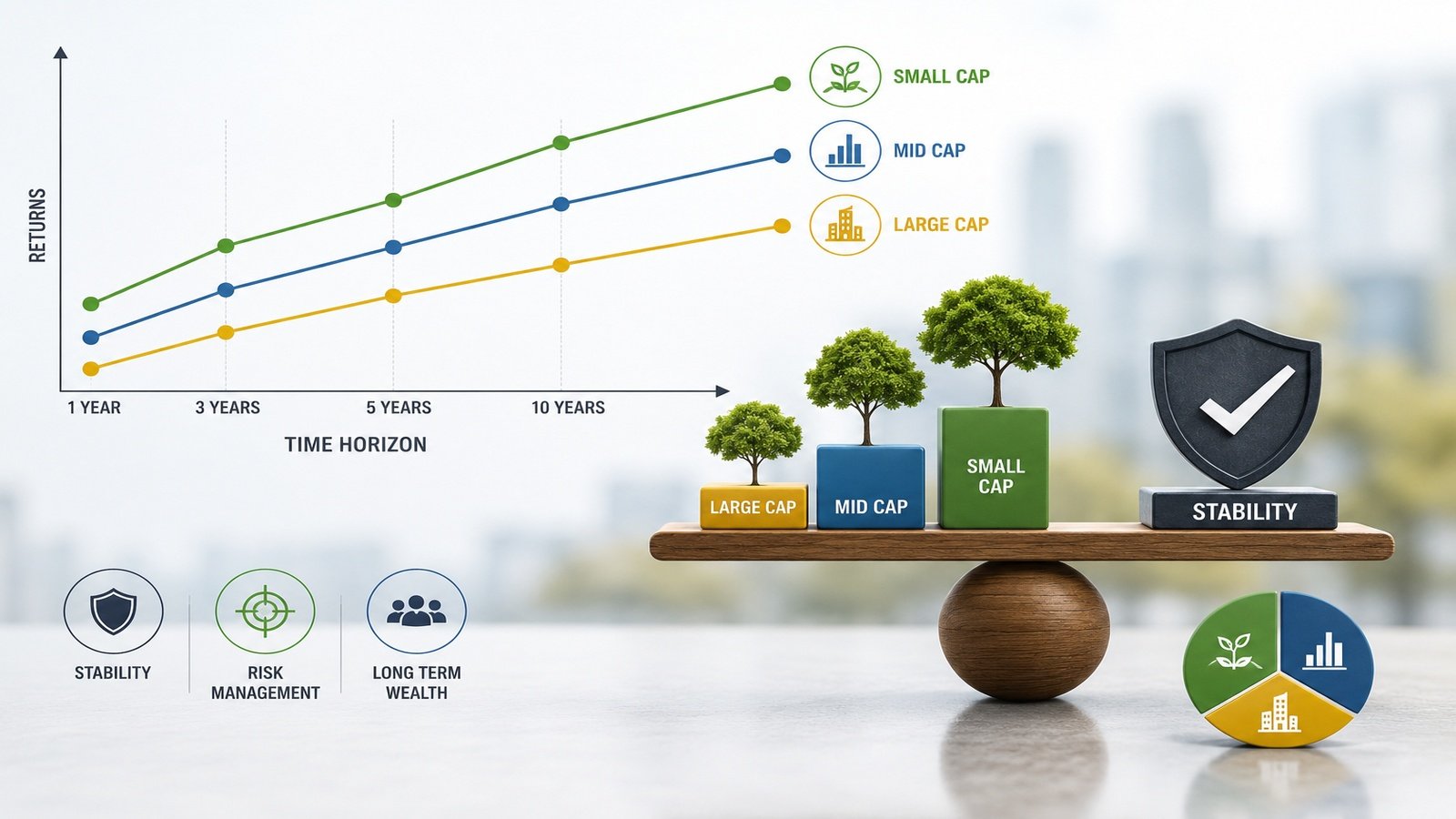
On D-Street, navigating recovery mode requires a deliberate distinction between what is possible and what is probable. When geopolitical shifts or macro headwinds unsettle the global order, speculative market layers must clear out to pave the way for fundamentally driven capital growth.
The last three months serve as an essential reminder of how sensitive the Indian economy remains to energy spikes and logistical gridlocks. However, as critical supply chain disruptions—such as the recent squeeze on Liquified Natural Gas (LNG) delivery—resolve and industrial production flows return to pre-crisis levels, the core parameters of domestic growth are stabilizing. For selective investors, this transition creates a calculated buying window across the market capitalization spectrum.
The Macro Rebound: Why Core Fundamentals Matter Now
When macro issues like volatile crude prices or energy supply chains cool down, companies directly linked to core infrastructure, domestic consumption, and industrial inputs experience a rapid decompression.
During this stabilization phase, institutional money tends to migrate toward structurally sound companies across three main market capitalizations, each offering distinct risk-reward balances:
1. Large-Caps: The Anchor of a Recovery Portfolio
Large-cap entities feature deeply entrenched market shares, pristine credit ratings, and vast operational scale. When input costs drop, these companies possess the immediate pricing power to retain margin improvements, translating directly into bottom-line profits. They offer steady reliability if global market volatility acts up again.
2. Mid-Caps: The Sweet Spot for Structural Growth
Mid-caps are established enough to have institutional banking lines, yet small enough to experience rapid structural transformation. In sectors undergoing deep shifts—such as automotive ancillaries, specialty chemicals, and plastic intermediaries—mid-caps can double capacities or pivot to newer, high-margin export products far quicker than corporate behemoths.
3. Small-Caps: Navigating High-Risk, High-Alpha Windows
Small-caps present the highest possibility of explosive growth, but they demand a strict validation of their underlying balance sheets. In a recovery phase, you want to filter specifically for small-caps that boast low-to-zero debt burdens and strong cash conversion cycles to avoid the traps of speculative bubbles.
3 Critical Metrics to Identify the Best Mid and Small-Cap Ideas
To capture an analyst-projected upside of 25% or more in a stabilizing market, a company must exhibit three specific financial behaviors:
-
Outperforming Historical Revenue CAGR: Look for companies whose current annual revenue growth is outpacing their three-year Compound Annual Growth Rate (CAGR). This proves that the company isn’t just riding general economic inflation, but is actively gaining market share.
-
Minimal Interest Expense Burden: In volatile cycles, keep a sharp eye on how much operating revenue goes toward servicing debt. Companies spending less than 2% of their top line on interest costs possess the financial freedom to fund capital expenditure (CapEx) through internal cash flows.
-
Sequential (QoQ) Topline Momentum: A sudden, multi-year high in quarter-on-quarter revenue growth indicates that demand has snap-backed strongly right as supply bottlenecks cleared.
