
Close Menu
Varta24 Business
    What's Hot

    Apple Launches Next-Gen Mac mini and Mac Studio in India: M6 and M5 Series Specs, Features, and Pricing

    August 26, 2026

    Top Smartwatches for Battery Endurance (Text Overview)

    August 26, 2026

    Navigating Indian Equities: Why Sectoral Transformations Offer Opportunity Amid Market Volatility

    August 26, 2026
    Facebook X (Twitter) Instagram
    Facebook X (Twitter) Instagram
    Varta24 BusinessVarta24 Business
    Subscribe
    • Home
    • Top News
    • Companies
    • Finance
    • Insurance
    • Markets
    • Technology
    • World News
    Varta24 Business
    Home»Finance»Digital Dominance: Fintechs Seize 77% of India’s Personal Loan Volume in FY26
    Finance

    Digital Dominance: Fintechs Seize 77% of India’s Personal Loan Volume in FY26

    Aruna KaimBy Aruna KaimJune 3, 2026No Comments2 Mins Read
    Facebook Twitter LinkedIn Telegram Pinterest Tumblr Reddit WhatsApp Email
    Share
    Facebook Twitter LinkedIn Pinterest Email

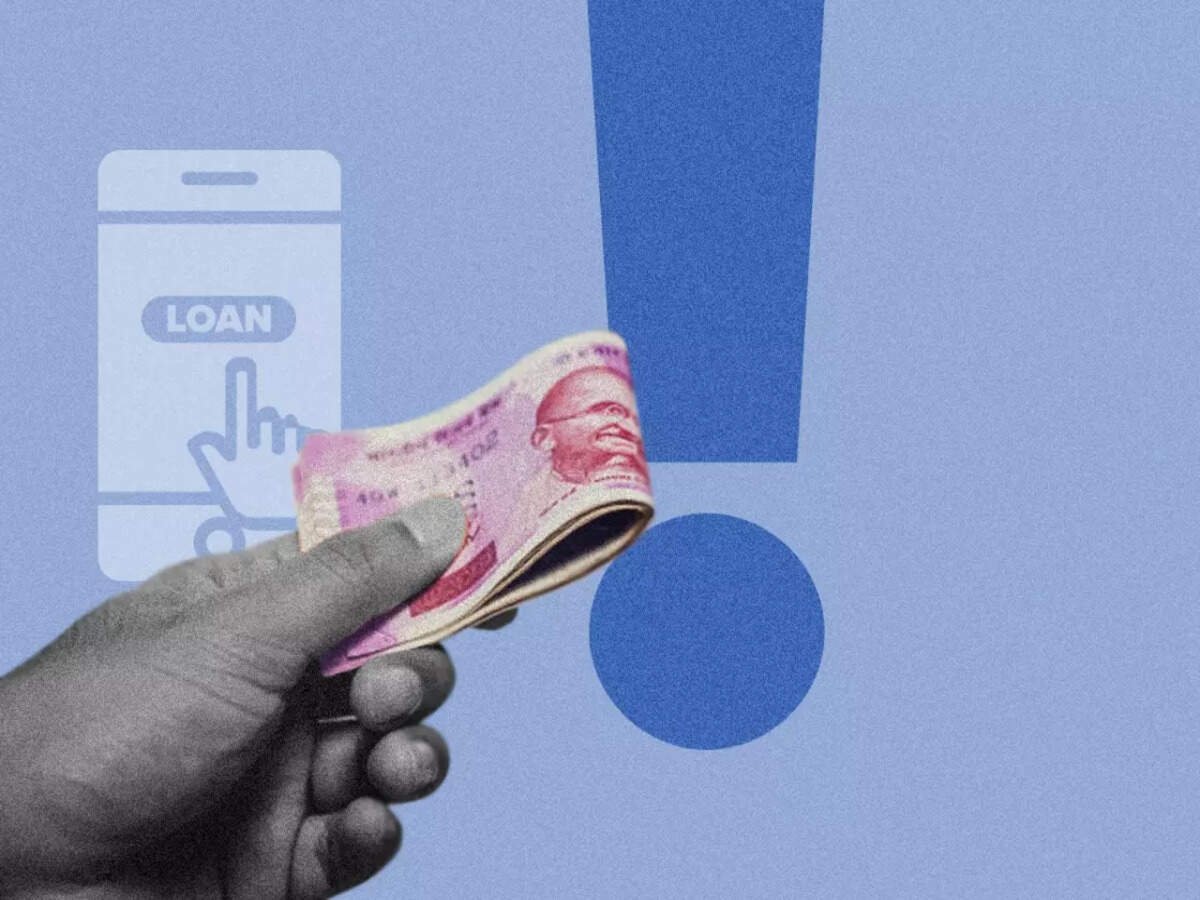
    India’s retail credit landscape has reached a dramatic tipping point. In the 2025–26 fiscal year (FY26), fintech lenders successfully cornered a staggering 77% market share by volume in the personal loan segment. This explosive growth underscores an absolute shift in consumer behavior, as digital-first platforms outpace traditional banking institutions through hyper-automated onboarding and instant ticket issuance.

    However, a closer look at the data reveals a sharp divergence between the number of loans issued and the total value of capital disbursed, exposing two entirely different lending strategies playing out in the Indian economy.

    Volume vs. Value: The Ticket Size Divide

    While fintech platforms dominate the sheer quantity of loans being processed daily, traditional commercial banks and established non-banking financial companies (NBFCs) continue to hold the fort when it comes to actual financial weight.

    Lender Type Share by Loan Volume (Number of Loans) Share by Loan Value (Total Rupee Amount) Primary Focus Segment
    Fintech Lenders 77% Relatively Small Share Small-ticket, short-term unsecured loans (< ₹50,000)
    Traditional Banks & NBFCs 23% Dominant Share High-value, long-term credit (Prime borrowers, salaried professionals)

    This divide highlights the core strength of fintech players: friction-free, small-ticket digital lending. By targeting tech-savvy millennials, Gen Z consumers, and underbanked segments with micro-loans—frequently under ₹50,000—fintechs have generated massive transaction volumes that traditional banks, bound by manual underwriting and legacy paperwork, simply cannot replicate.

    Rising Regulated Partnerships

    The massive footprint of fintechs is rarely built on standalone balance sheets. Instead, this 77% volume dominance is heavily fueled by “co-lending” models and strategic partnerships. Fintechs act as the agile, consumer-facing front end, using advanced algorithms and alternative data to assess risk within seconds. Meanwhile, large, regulated NBFCs and private banks supply the underlying capital pipeline.

    This symbiotic relationship allows traditional financial institutions to indirectly tap into India’s booming rural and semi-urban retail credit demand without expanding physical branch networks.

    The Looming Regulatory Tightrope

    While the FY26 numbers paint a picture of unrivaled growth, the sector is entering a more cautious phase. With the Reserve Bank of India (RBI) consistently warning against the rapid expansion of unsecured consumer credit, both fintechs and their banking partners are under intense pressure to maintain rigid risk controls.

    As the volume of digital loans peaks, the industry’s next challenge will not be finding new borrowers, but ensuring that asset quality holds up against potential defaults in the unsecured micro-loan segment.

    Share. Facebook Twitter Pinterest LinkedIn Tumblr Telegram Email
    Previous ArticleSqueezed in the South: Local Regulations Halt Microfinance Recovery Despite Broader Business Turnaround
    Next Article CCPA Fines PhysicsWallah and McAfee for Deploying Deceptive ‘Dark Patterns’
    Aruna Kaim

    Related Posts

    Rise of Domestic Mass-Market Credit Cards Trims Foreign Banks’ Share in India

    August 24, 2026

    UPI Completes 10 Years, Clocks Nearly 13,000-Fold Rise in Transaction Volume

    August 24, 2026

    RBI Penalizes Shri Ram Finance Corporation and Progfin for Regulatory Non-Compliance

    August 22, 2026
    Add A Comment
    Leave A Reply Cancel Reply

    Top Posts

    Rise of Domestic Mass-Market Credit Cards Trims Foreign Banks’ Share in India

    August 24, 2026

    UPI Completes 10 Years, Clocks Nearly 13,000-Fold Rise in Transaction Volume

    August 24, 2026

    RBI Penalizes Shri Ram Finance Corporation and Progfin for Regulatory Non-Compliance

    August 22, 2026
    Advertisement
    Demo

    Your source for the serious news. This demo is crafted specifically to exhibit the use of the theme as a news site. Visit our main page for more demos.

    We're social. Connect with us:

    Facebook X (Twitter) Instagram Pinterest YouTube
    Recend Posts
    • Apple Launches Next-Gen Mac mini and Mac Studio in India: M6 and M5 Series Specs, Features, and Pricing
    • Top Smartwatches for Battery Endurance (Text Overview)
    • Navigating Indian Equities: Why Sectoral Transformations Offer Opportunity Amid Market Volatility
    • Balancing the Scales: Why Structural Shift in Large-Caps Trumps Short-Term Volatility
    • Mid-Cap Resilience: Why Smart Capital Focuses on Business Fundamentals Over Market Noise
    Contact Us

    Varta24 Business
    India International Centre
    40, Max Mueller Marg
    Lodhi Estate, New Delhi-110003
    Email.varta24live@gmail.com

    © 2026 Varta24 Media, Designed by Social Fox.
    • Home
    • Markets
    • Stocks
    • Funds
    • Buy Now

    Type above and press Enter to search. Press Esc to cancel.