

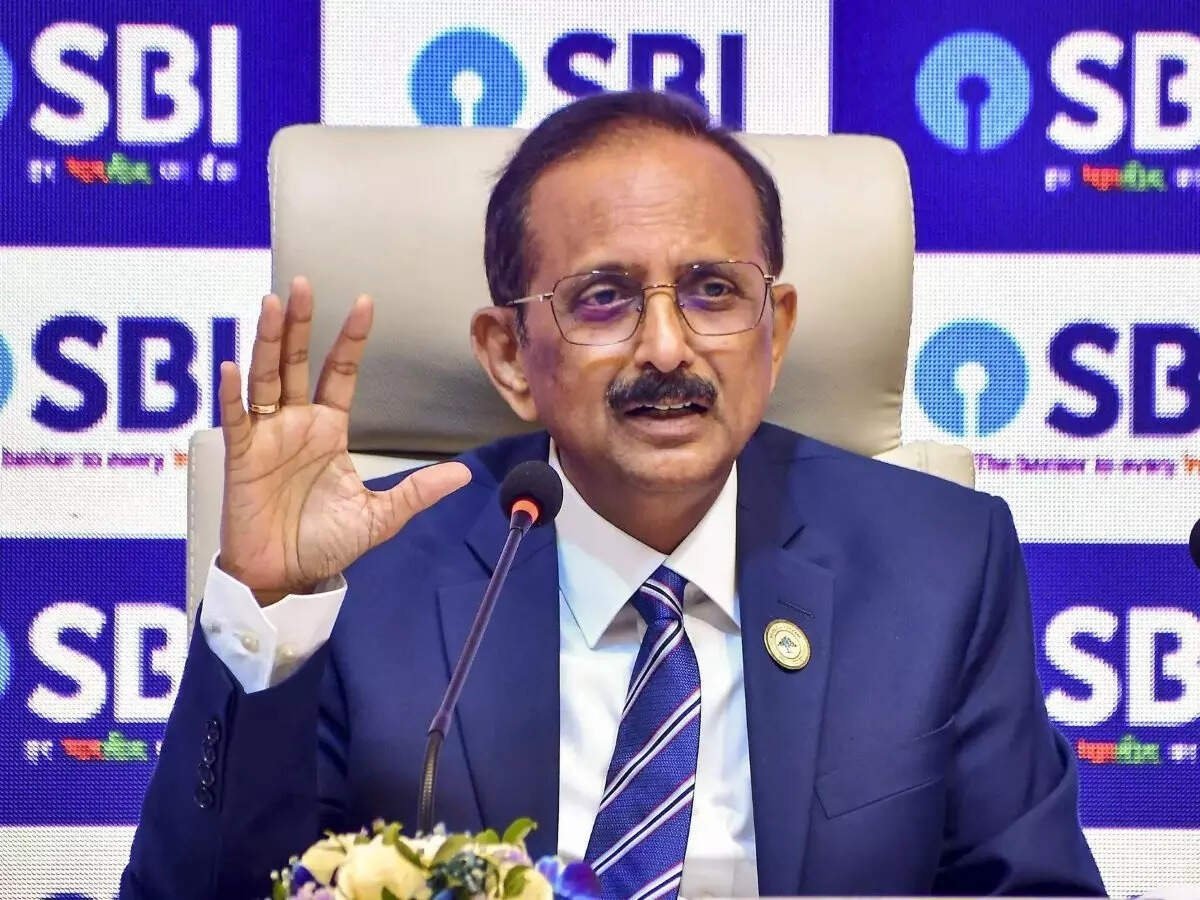
On May 11, 2026, State Bank of India (SBI) Chairman C.S. Setty issued a strategic cautionary note regarding the rapid expansion of digital finance. Speaking at the CII Annual Business Summit, Setty emphasized that while AI-driven underwriting and platform lending offer immense opportunities for credit penetration, they simultaneously introduce “new vulnerabilities” that traditional governance frameworks are not yet fully equipped to handle.
The “New Age” Risks in Banking
Setty identified four critical areas where innovation could potentially outpace safety if not managed with rigorous oversight:
-
Algorithmic Bias: As banks move toward data-driven underwriting, the risk of automated systems unintentionally excluding certain demographics or mispricing risk is rising.
-
Systemic Interconnectedness: The deep integration between traditional banks, FinTechs, and digital platforms means a localized failure can now ripple through the entire financial architecture more quickly than ever before.
-
Cyber & Operational Resilience: With 90% of banking now potentially impacted by digital touchpoints, cybersecurity is no longer a back-office function but a “core foundational principle” of trust.
-
Speed vs. Safety: Setty warned that the race for “instant” credit must not undermine the integrity of the financial system or the safety of the Indian customer.
The Road to “Viksit Bharat” 2047
The SBI chief also mapped out the colossal capital requirements needed to achieve India’s long-term developmental goals:
-
Total Investment Needed: Estimated at ₹3,000 lakh crore to ₹3,500 lakh crore over the coming decades.
-
The 2035 Milestone: Approximately ₹600 lakh crore to ₹650 lakh crore must be mobilized by 2035 alone.
-
Shifting Savings: Setty noted that the traditional reliance on bank deposits (which currently form 90% of balance sheets) is being challenged as household savings shift toward mutual funds, insurance, and REITs.
Strategic Call to Action: Beyond Bank Loans
Setty argued that banks cannot carry the burden of India’s growth alone. To meet the ₹12.2 lakh crore capital expenditure budgeted for 2026-27, he called for:
-
Deepening the Bond Market: Moving beyond traditional lending to robust corporate debt instruments.
-
Institutional Participation: Greater involvement from pension funds and insurance companies in long-term infrastructure projects.
-
Alternative Vehicles: Leveraging InvITs and REITs (like the recently listed Bagmane REIT) to bridge the infrastructure funding gap.
The Bottom Line
For India’s largest lender, the message is clear: Confidence is the greatest institutional asset. As the financial landscape becomes more complex, SBI is pivoting its focus toward strengthening capital buffers and risk management systems to ensure that the digital revolution remains inclusive and, above all, secure.
“Innovation without trust cannot sustain itself.” — C.S. Setty, Chairman, SBI
