

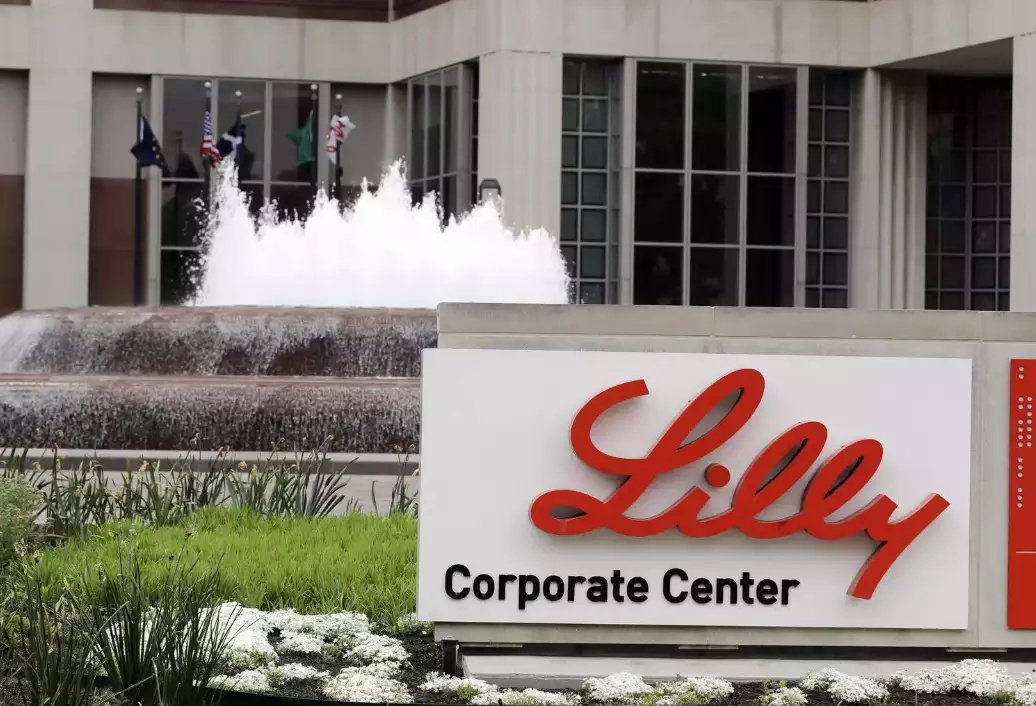
US pharmaceutical major Eli Lilly has officially expanded its specialty healthcare portfolio in India with the launch of Lormalzi (donanemab), a first-of-its-kind disease-modifying therapy for Alzheimer’s disease.
The launch, announced on May 13, 2026, signals a pivot from merely managing symptoms to targeting the biological roots of the disease—specifically the amyloid plaques in the brain that drive cognitive decline.
Lormalzi (Donanemab): Key Details for Patients
The drug has received marketing authorization from the CDSCO for patients in the early stages of the disease (mild cognitive impairment or mild dementia).
-
Mechanism: Unlike traditional drugs that treat memory symptoms, Lormalzi is designed to clear amyloid protein buildup from the brain.
-
Administration: Delivered via intravenous (IV) infusion once every four weeks.
-
Pricing: A 350 mg vial is priced at approximately ₹91,688 (~$957).
-
Duration: It is a finite treatment, typically administered for up to 18 months, rather than a lifelong prescription.
-
Access: Eli Lilly has indicated it will roll out an “alternative access program” to help broader patient groups afford the high-cost therapy.
Strategic Expansion: Beyond Neurology
Eli Lilly’s 2026 strategy for India focuses on high-impact “lifestyle” and chronic conditions where unmet medical needs are high.
-
Cardio-Metabolic & Diabetes: The company continues its strong presence through strategic partnerships with domestic leaders Lupin and Cipla.
-
Obesity: Lilly also markets Mounjaro (Tirzepatide) in India, a blockbuster weight-loss and diabetes therapy that has seen massive demand since its local debut in 2025.
-
Future Pipeline: The firm is actively deepening its portfolio in Oncology and Immunology, aiming to bring global innovations to the Indian market faster than in previous decades.
The Growing Burden
The timing of the launch is critical. India currently has an estimated 8.8 million people living with dementia, a figure expected to nearly double by 2036.
Expert View: Winselow Tucker, President and GM of Eli Lilly India, noted that the country faces a “diagnosis gap.” While advanced therapies like Lormalzi are now available, the challenge remains in early detection—currently, only about one in ten patients in India receives a formal diagnosis.
What This Means for Investors and Consumers
As we track the Indian healthcare sector in 2026:
-
Pharma Partnerships: Domestic players like Cipla and Lupin remain key beneficiaries of “Big Pharma” expansion, acting as critical distribution and manufacturing nodes.
-
Specialty Care Growth: The shift toward high-cost, specialty biologics (like Lormalzi) highlights a growing premium segment in Indian private healthcare.
-
Inflationary Pressures: With milk and fuel prices rising, these high-end medical breakthroughs remain out of reach for many, emphasizing the importance of the government’s push for insurance penetration and local clinical trials (Phase IV) to potentially lower costs in the long run.
