

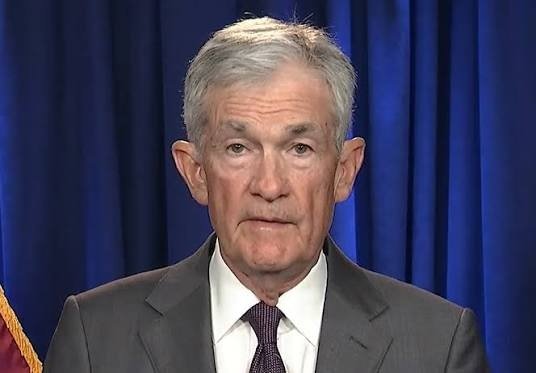
Federal Reserve Chairman Kevin Warsh expressed strong interest in the findings of an independent investigation into a private meeting between the central bank’s top regulator and Wall Street clients, but emphasized he will not “micromanage” or prejudge the outcome of the inquiry.
The comments came during a Senate Banking Committee hearing, where Warsh was questioned by the panel’s top Democrat, Senator Elizabeth Warren of Massachusetts. The inquiry centers on Fed Vice Chair for Supervision Michelle Bowman’s attendance at an invitation-only client event hosted by Bank of America, which reportedly took place immediately following the Federal Open Market Committee’s (FOMC) June 16–17 interest rate meeting.
“I wasn’t at the meeting. I don’t know the facts,” Warsh testified. “But I’d be very interested in fact-finding being done by an independent inspector general.”
The Ethics Controversy Explained
At the heart of the dispute is the Federal Reserve’s strict “blackout period”—a quiet window extending from before policy meetings until a full day after they conclude. During this time, Fed officials are strictly prohibited from sharing views or offering public analysis on monetary policy to prevent market-moving leaks or giving selective advantages to private entities.
| Key Issue | Details of the Controversy |
| The Event | An exclusive, closed-door dinner hosted by Bank of America for its hedge fund and Wall Street clients. |
| The Timing | June 17, 2026—just hours after the Fed announced its latest interest rate decision, placing it squarely within the official blackout period. |
| The Allegations | Watchdog groups and lawmakers claim the private briefing may have violated FOMC communication guidelines and federal rules prohibiting officials from providing a “prestige advantage” or accepting gifts from regulated sources. |
| Bowman’s Defense | Vice Chair Bowman has maintained that she did not discuss monetary policy at the dinner and that she fully complied with all ethical guidelines. |
Warsh Focuses on Fed Culture
While Senator Warren pushed the Fed Chairman on whether Bowman shared non-public information or touched on active regulatory proposals, Warsh declined to speculate. Instead, he signaled confidence in the Fed’s internal watchdog, the Office of the Inspector General (OIG), to uncover the facts impartially.
“Out of an enormous respect for [the Inspector General], his investigation, and what he chooses to do with it, I’m going to leave it with him… without trying to micromanage that,” Warsh said. He added, however, that as Chairman he takes the “culture” and ethical standards of the 21,000-person Federal Reserve system incredibly seriously.
The OIG’s investigation will determine if any policy actions or disciplinary steps are warranted once the independent fact-finding process concludes.
