

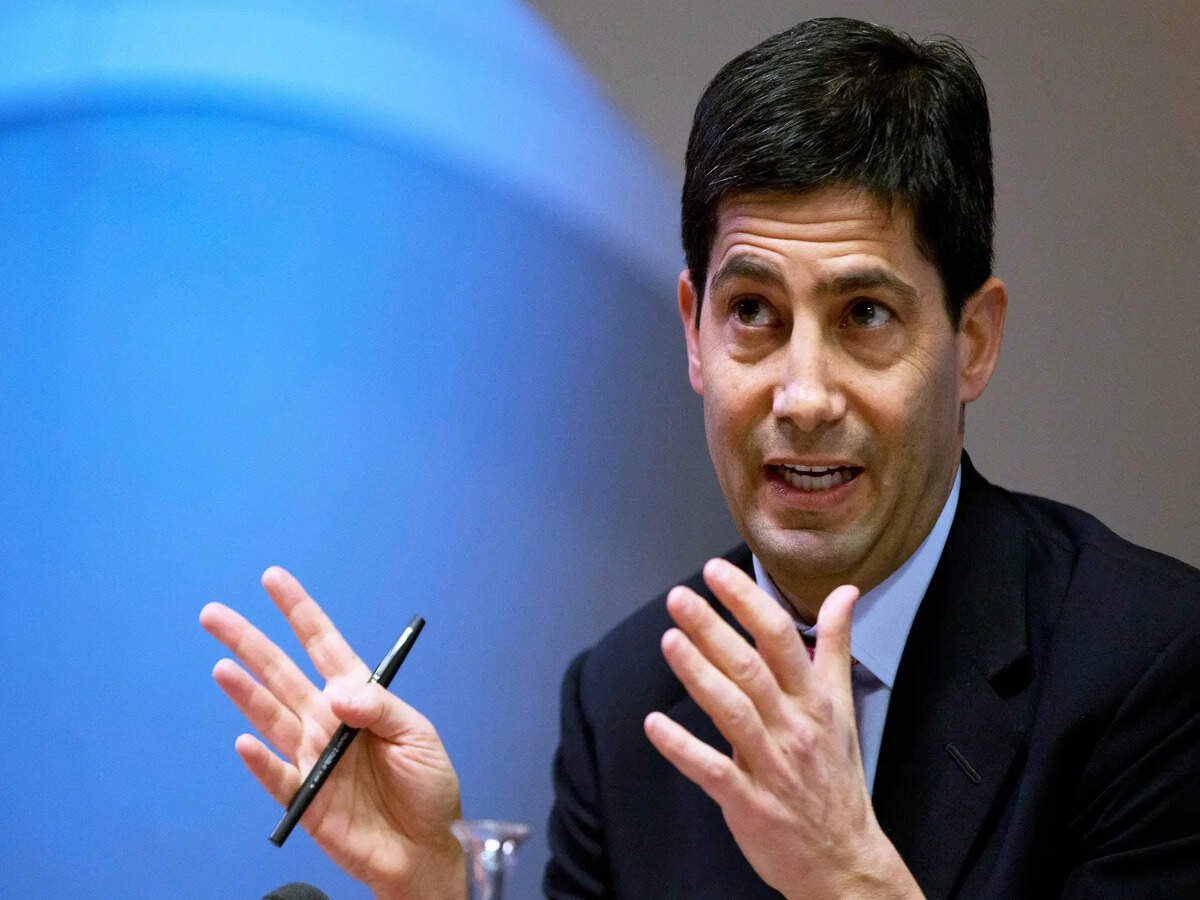
Federal Reserve Chairman Kevin Warsh faces a pivotal dilemma in monetary policy. Following his recent public declarations that inflation will be brought under control without explicitly signaling readiness for interest rate hikes, fixed-income markets reacted sharply—flashing what senior economists describe as a clear vote of “no confidence.”
The pushback has left the Fed chief balancing pressures between an increasingly hawkish contingent of regional Fed presidents calling for rate hikes and a White House favoring easier monetary policy.
Key Takeaways
-
Yield Spike Signal: Warsh’s comments—asserting inflation will cool while hinting at potential changes to the Fed’s long-standing 2% inflation target framework after January—sent 30-year US Treasury yields above 5.2%, reaching a 19-year high.
-
Internal Division Grows: Three out of 12 voting members dissented at the Fed’s recent meeting (preferring an immediate rate hike over keeping the benchmark held in the 3.50%–3.75% range), highlighting growing fracture inside the FOMC.
-
Policy Strategy Scrutiny: Former Fed officials and market strategists warn that relying on talk and special task forces rather than concrete policy adjustments risks stoking long-term inflation expectations.
Market Reaction & The “No Confidence” Vote
The bond market sell-off unfolded rapidly after Warsh’s post-meeting press conference. While reiterating commitment to bringing down prices, Warsh refrained from forward guidance on rate path adjustments and raised eyebrows by mentioning that task forces evaluating the Fed’s policy framework might re-examine strategies post-January.
“He highlighted a problem and gave no strategy for solving it other than, ‘I’m a hawk, trust me,’ and the markets wanted more than that. That’s almost seen as the markets voting ‘no confidence’ on the Fed’s willingness and capacity to bring inflation down.”
— Nathan Sheets, Global Chief Economist at Citigroup
| Factor | Current Status & Market Impact |
| Benchmark Policy Rate | Held steady at 3.50% – 3.75% amid a 3-member dissent. |
| 30-Year Treasury Yield | Surged past 5.2%, setting a 19-year high. |
| PCE Inflation Metrics | June headline PCE eased slightly to 3.7% (from 4.1% in May); core PCE printed at 3.3%. |
| Economic Demand Drivers | Business equipment spending jumped 15.2% in Q2, driven by massive AI data center capital outlays. |
A Brewing Storm Inside the FOMC
The central bank’s internal consensus is undergoing significant strain. Regional Fed presidents—including Dallas Fed President Lorie Logan and Cleveland Fed President Beth Hammack—have openly voiced discomfort with holding rates steady while inflation remains sticky well above target.
At the same time, inflation risks are being amplified by external macro forces:
-
AI Infrastructure Capex: Double-digit business spending growth in technological equipment and data centers continues to pump demand into capital markets.
-
Geopolitical Friction: Persistent tensions in energy-producing regions continue to put upward pressure on global commodity prices and freight logistics.
With central bankers scheduled to gather in late August for the annual Jackson Hole symposium, all eyes are on whether Warsh will maintain his policy hold or yield to mounting pressure from hawk colleagues calling for a September rate hike.
