

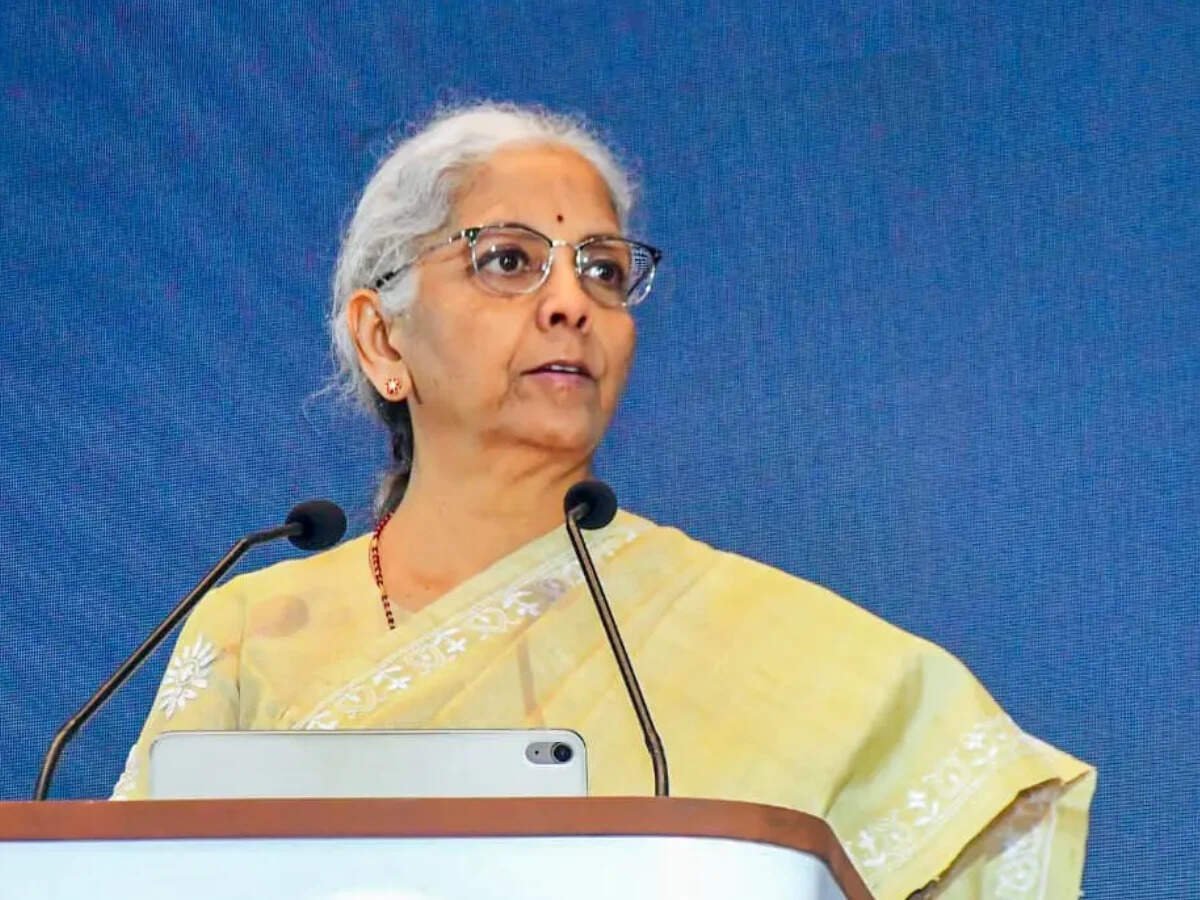
Union Finance Minister Nirmala Sitharaman has strongly dismissed opposition allegations and public concerns regarding the upcoming Merchant Discount Rate (MDR) on Unified Payments Interface (UPI) transactions, clarifying that the charge will not be passed on to consumers.
Key Highlights & Clarifications
-
Not a Government Tax or Levy: Sitharaman emphasized that the 0.4% charge is neither a tax, cess, nor surcharge, and none of the proceeds flow into the Consolidated Fund of India or government coffers.
-
Who Pays the MDR: The fee applies exclusively to person-to-merchant (P2M) UPI transactions above ₹2,000 and is borne entirely by the merchant, merchant bankers, and payment service providers.
-
Comparison with Credit and Debit Cards: Drawing a parallel to traditional card payments (Visa, Mastercard, RuPay), the Finance Minister noted that merchants already absorb MDR costs for credit and debit cards without adding them to customer bills.
-
Exemptions Remain Intact:
-
Person-to-Person (P2P) transfers: Completely free
-
P2M transactions up to ₹2,000: Exempt
-
Small merchants with monthly collections below ₹1 lakh: Exempt
-
Government and Regulatory Action Plan
-
Engagement with Banks & Traders: The Ministry of Finance is actively coordinating with the Indian Banks Association (IBA) and traders’ bodies to ensure compliance, prevent illegal passing-down of costs to retail buyers, and address ground-level concerns ahead of the October 15, 2026 rollout.
-
Awareness Campaigns: The IBA will spearhead awareness initiatives to clarify that the framework is designed to sustain the financial and technological infrastructure of the digital payments ecosystem.
-
Pending GST Clarification: Discussions regarding whether an 18% Goods and Services Tax (GST) will apply directly to the MDR transaction fee itself remain under review, though officials anticipate a pragmatic approach from the GST Council.
