

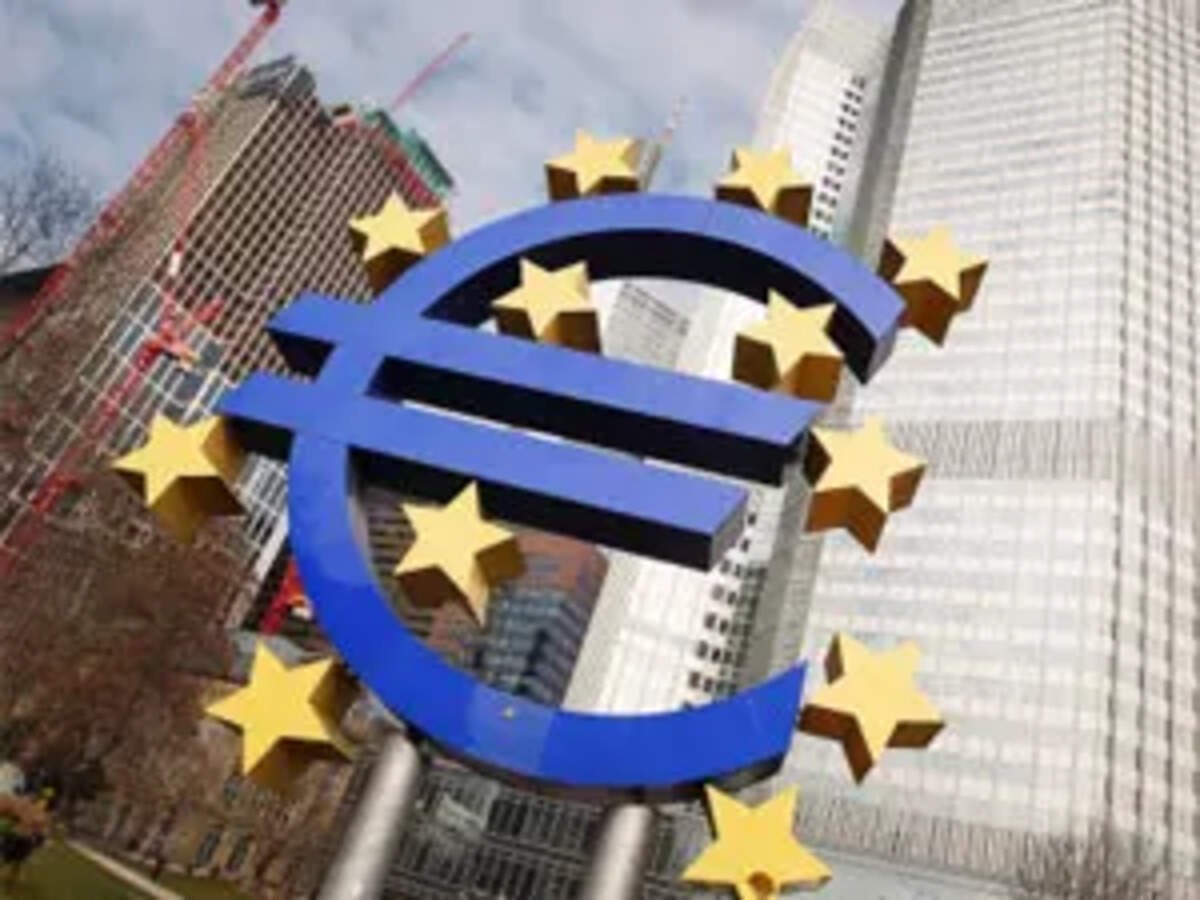
European stock markets faced a significant retreat during the week ending April 24, 2026, as the optimism of early spring was replaced by a grim reality: the conflict in the Middle East remains at a stalemate. The pan-European STOXX 600 index slid 2.5% for the week, officially snapping a four-week winning streak and hitting its lowest point in over 14 days.
The Impasse: Why the Market is Reversing
Investors had been banking on a diplomatic breakthrough following recent White House meetings, but the “stalemate” narrative has taken hold. Key pressure points include:
-
Energy Security & Crude Prices: Brent crude has firmly crossed the $100-per-barrel threshold. With the Strait of Hormuz remaining effectively shut and reports of gunfire near tankers, concerns over a prolonged energy supply shock are mounting.
-
The “Hormuz Risk”: For Europe—a region highly vulnerable to energy-driven inflation—the continued blockade is dampening the recovery hopes of major economies like Germany, whose business sentiment deteriorated more than expected this month.
-
Inflationary “Sticky” Points: Markets are now pricing in a 76% chance that the ECB will hold rates steady next week, delaying the much-anticipated pivot to rate cuts.
Sector Performance: A Divided Landscape
The week’s losses were not distributed evenly, highlighting a rotation into “defensive tech” and out of “growth industrials.”
| Sector | Performance Note |
| Aerospace & Defence | Laggard (-3.2%): Led the declines as investors pared back expectations of a quick resolution, ironically leading to profit-taking in recently overextended defense names. |
| Technology | Outperformer (+1.5%): A rare bright spot, driven by SAP (+4.7%) after a strong Q1 cloud performance and chipmakers like ASML and BE Semiconductor (+4.3%) showing robust order intake. |
| Healthcare | Mixed (-1.7%): While the broader sector fell, Novo Nordisk surged 5.4% as its oral Wegovy outperformed competitors in the latest prescription data. |
| Financials | Underperformer (-1.0%): Dragged down by the prospect of “higher for longer” rates increasing the risk of credit defaults in a slowing economy. |
Global Context: Europe vs. The US
Interestingly, while European markets are buckling under energy costs, US markets have shown a “V-shaped” resilience, with the S&P 500 trading near record highs. This divergence is largely due to the US tech sector’s (BATMMAAN) relative insulation from the physical energy supply chain disruptions affecting the European manufacturing core.
Analyst View: The European market is currently “selling first and asking questions later.” Until there is a clear roadmap for reopening the Strait of Hormuz, the upside for the DAX and CAC 40 remains capped by the cost of the fuel tank.
