

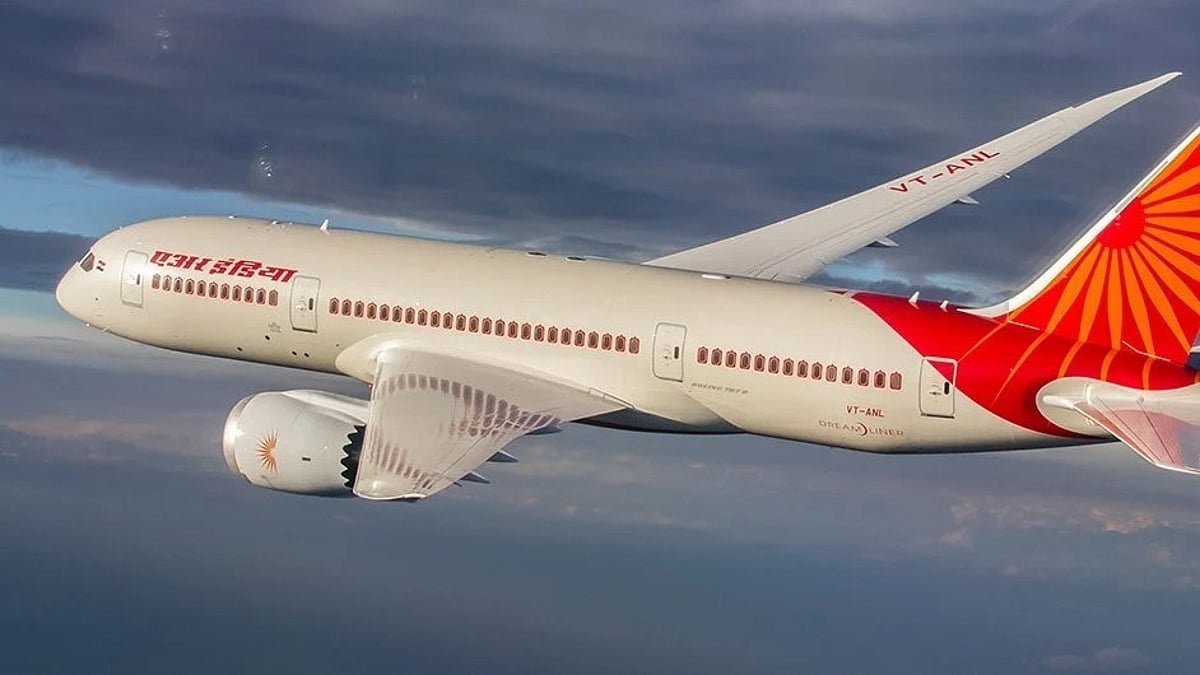
In a major move to shield the domestic economy from the spillover effects of the West Asia conflict, the Union Cabinet, led by Prime Minister Narendra Modi, has approved the Emergency Credit Line Guarantee Scheme 5.0 (ECLGS 5.0).
With an outlay of ₹18,100 crore, the scheme is specifically designed to provide emergency liquidity to MSMEs and a struggling aviation sector, which is currently grappling with skyrocketing fuel costs and geopolitical airspace restrictions.
Key Highlights of ECLGS 5.0
The fifth iteration of this scheme is expected to unlock a massive ₹2.55 trillion in additional credit flow through banks and financial institutions.
-
100% Guarantee for MSMEs: The government, via the NCGTC, will cover 100% of losses on loans extended to MSMEs.
-
Aviation Carve-out: ₹5,000 crore has been specifically allocated for the aviation sector, where the government will guarantee 90% of the loan amount.
-
Loan Limits:
-
MSMEs: Can borrow up to 20% of their peak working capital (capped at ₹100 crore).
-
Airlines: Can borrow up to 100% of their requirement (capped at ₹1,500 crore per borrower).
-
-
Extended Repayment: Airlines get a 7-year tenure with a 2-year moratorium, while other sectors get a 5-year tenure with a 1-year moratorium.
Aviation Under Siege: Why the Intervention?
The Federation of Indian Airlines (FIA) recently warned of an “existential crisis,” stating the industry was on the verge of shutting down operations due to several compounding factors:
-
The West Asia Conflict: Ongoing tensions have forced carriers to take longer, more circuitous flight paths, significantly increasing fuel consumption.
-
Airspace Closures: Following “Operation Sindoor” in May 2025, Pakistan’s airspace remains closed to Indian carriers, further bloating operational costs for international routes.
-
Fuel Price Surge: Aviation Turbine Fuel (ATF) has jumped from its typical 40% of operating costs to a staggering 50%–60%.
-
Operational Pullback: Major carriers have drastically cut international flights in May 2026:
-
Air India Express: Down 53%
-
SpiceJet: Down 60%
-
IndiGo: Reduced by 150 weekly flights.
-
Market Implications & Next Steps
The announcement comes at a critical time for the Indian markets, which have been balancing domestic political optimism with global macro fears.
-
For MSMEs: This provides the necessary working capital to maintain supply chains and prevent job losses amidst rising raw material and logistics costs.
-
For Airlines: While the ₹5,000 crore carve-out provides a “breather” for carriers like SpiceJet, industry experts argue that the real solution lies in controlling the high “crack spreads” (margins) charged by oil marketing companies.
-
Banking Sector: Lenders are expected to see increased credit demand. Given the 90%–100% government guarantee, banks can deploy capital with minimal risk to their balance sheets.
Upcoming Catalyst: The Air India board is scheduled to meet on May 7 to discuss further cost-saving measures and the selection of a new CEO, which will be a key indicator of how the nation’s largest international carrier plans to navigate the remaining months of 2026.
