

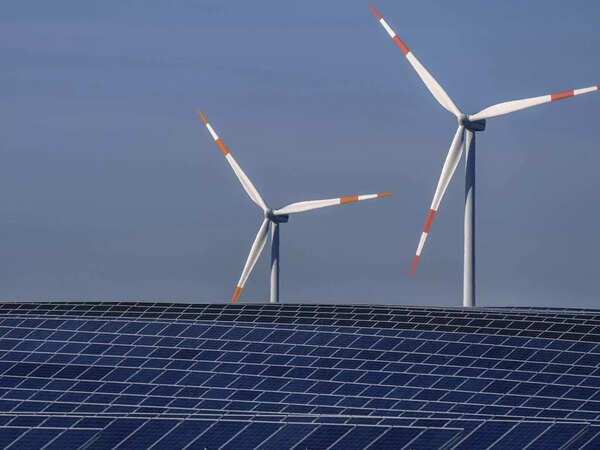
In a major move to bolster its green energy infrastructure, Gujarat has commissioned a 870 MW Battery Energy Storage System (BESS) across five strategic locations. This initiative aims to address the inherent volatility of renewable energy and ensure a steady power supply as the state ramps up its solar and wind capacity.
Strengthening the Green Grid
Battery storage is becoming the backbone of Gujarat’s energy strategy. By storing surplus electricity generated during peak sunlight hours, the BESS allows the state to discharge power during high-demand evening periods when solar output drops.
-
Operational Milestones:
-
Modhera: India’s first 24×7 solar village hosts the country’s first BESS integrated with a solar plant.
-
New Sites: Systems are now operational in Charal (Ahmedabad), Modhera (Mehsana), and Lakhpat (Kutch).
-
-
Expansion Plans: 13 additional projects have already been registered across Ahmedabad, Gandhinagar, Banaskantha, Patan, and Kutch.
Policy and Future Growth
The state government is embedding these technologies into its long-term vision through the Gujarat Integrated Renewable Energy Policy, 2025.
| Policy Focus | Description |
| Project Types | Approvals for standalone, new-linked, and retrofitted renewable storage projects. |
| SOPs in Progress | Standard Operating Procedures are being finalized to allow Commercial & Industrial (C&I) users to register their own storage systems. |
| Competitive Bidding | The state is actively inviting private players to develop storage facilities through transparent bidding. |
Why This Matters
As solar power fluctuates throughout the day, the grid can face immense pressure. GETCO (Gujarat Energy Transmission Corporation) and local distribution companies are identifying locations based on grid stress points. These batteries act as a “buffer,” reducing pressure on the national grid and improving overall stability—positioning Gujarat as a leader in India’s energy transition.
