

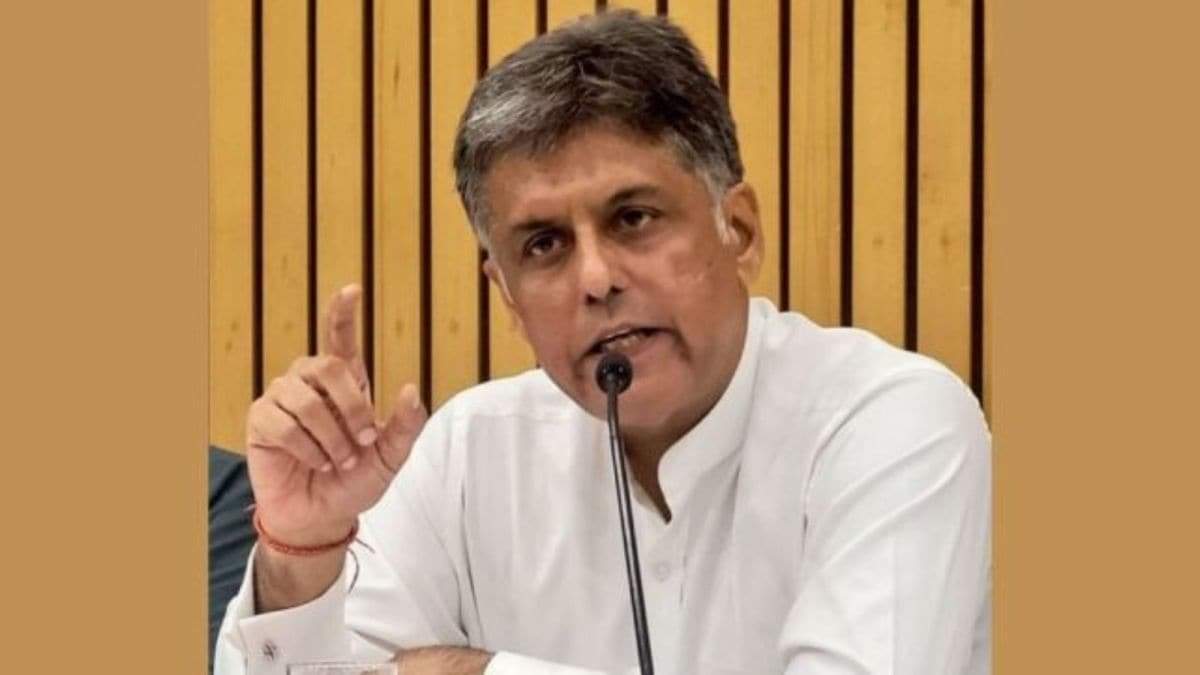
Congress MP Manish Tewari has launched a sharp verbal attack on Union Petroleum Minister Hardeep Singh Puri, dismissing the government’s recent reduction in excise duty on petrol and diesel as a basic duty rather than an act of “generosity.”
The Core Argument: Taxpayer Money vs. State Credit
Tewari challenged the narrative that the government is making a personal financial sacrifice to protect consumers.
- Public Revenue: He emphasized that government funds belong to the citizens. “The revenue… comes from the common man’s pocket,” Tewari stated, arguing that reducing a tax the public already pays is not the same as the government “giving” money.
- Boasting vs. Duty: He criticized the Minister’s tone, suggesting it framed a standard policy adjustment as a personal favor from the administration.
The Geopolitical Context: Why the Cuts Happened
The excise duty reduction (cutting petrol to ₹3/litre and diesel to zero) comes during a period of intense global energy volatility:
- Strait of Hormuz Crisis: Tensions involving the U.S., Israel, and Iran have led to a blockade of this critical shipping route, through which India traditionally sources 12-15% of its oil.
- Price Surge: Minister Puri noted that global crude prices spiked from $70 to $122 per barrel in just one month, forcing the government to intervene to prevent a total retail price collapse for Oil Marketing Companies (OMCs).
Concerns Beyond the Pump: Food Security Risks
Tewari highlighted that the crisis isn’t just about fuel for cars; it’s a threat to India’s Rabi and Kharif agricultural cycles:
- Fertilizer Shortage: India imports 49% of its fertilizers (specifically nitrogen-based) from the Persian Gulf.
- Supply Chain Hits: With Qatar cutting urea output due to damaged LNG facilities, Tewari warned of a looming “difficult situation” for Indian farmers and urged the government to reveal its contingency plans.
Current Market Status
Despite the excise cuts, retail prices at the pump have remained unchanged so far. The government has issued statements urging citizens to avoid panic buying, maintaining that domestic stocks of petrol, diesel, and LPG remain adequate despite the regional conflict.
