

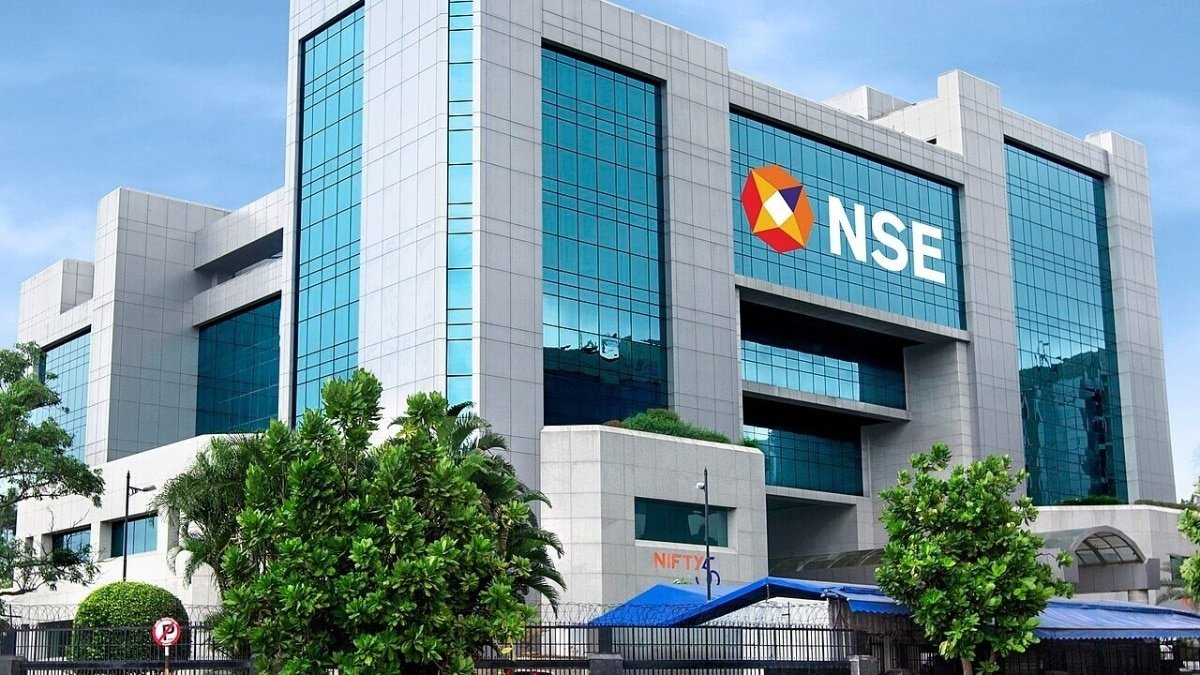
In a massive step toward resolving a decade-long legal stalemate, a SEBI-appointed external panel has recommended that the National Stock Exchange of India (NSE) pay approximately ₹1,800 crore ($192.5 million) to settle its pending disputes.
This settlement is the final “green light” the exchange needs to launch what is expected to be one of India’s most significant stock market debuts.
Breaking the 10-Year Deadlock
The NSE, currently the world’s largest derivatives exchange and India’s largest unlisted company, has seen its IPO dreams stalled for nearly a decade due to:
-
Governance Lapses: Investigations into internal management and decision-making processes.
-
Colocation Dispute: Allegations that the exchange failed to provide equitable access to all trading members, potentially giving some high-frequency traders an unfair advantage.
The IPO Countdown
The settlement recommendation comes at a time of high momentum for the bourse:
-
Banker Syndicate: Just last month, the NSE appointed a record-breaking 20 banks to manage its public issue—the largest syndicate ever assembled for an Indian IPO.
-
Investor Base: With over 190,000 existing shareholders in the unlisted space, the demand for a public listing has reached a fever pitch.
-
Market Context: Resolving these legal hurdles allows the NSE to capitalize on the robust market sentiment seen in early 2026.
2026 Financial Briefing: At a Glance
| Event | Impact |
| NSE Settlement | ₹1,800 crore payout to clear legal hurdles for a massive IPO. |
| RBI Stance | Governor Malhotra monitors cyclical FDI outflows amid global shifts. |
| Oil Markets | Brent crude > $101 as tensions in the Strait of Hormuz escalate. |
| Corporate JVs | Jio & Allianz formalize their 50:50 insurance partnership. |
| AI Tech | Vast Data hits $30B valuation with backing from Nvidia. |
Analysis: Why this Matters Now
The NSE settlement isn’t just about one company; it represents a “cleaning of the slate” for the Indian capital markets. By resolving these legacy issues, SEBI and the NSE are signaling to global investors—including those currently concerned about the FDI outflows mentioned by the RBI Governor—that India’s market infrastructure is moving toward greater transparency and stability.
