

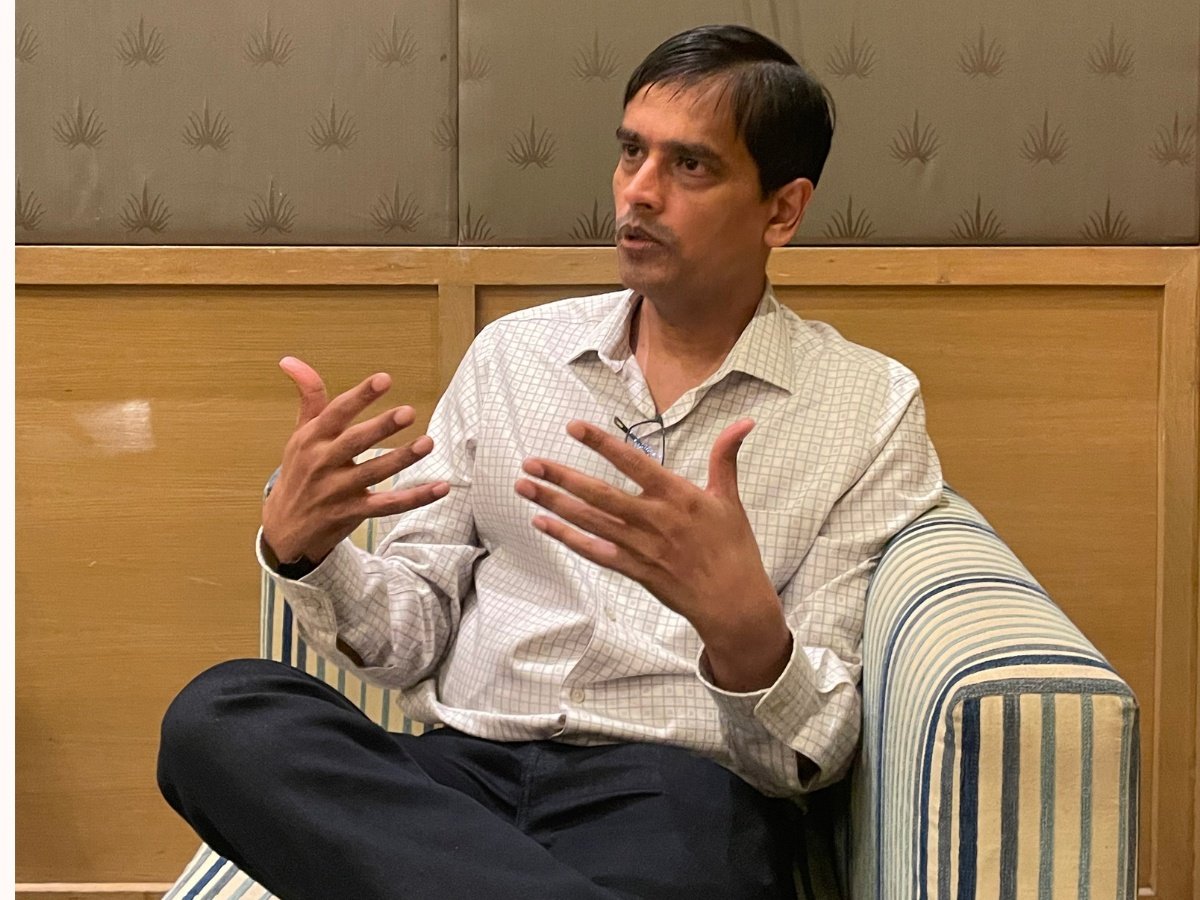
In a significant leadership update for OpenAI, Srinivas Narayanan, the Chief Technology Officer of B2B Applications, announced on Saturday, April 18, 2026, that he will be exiting the company at the end of next week.
His departure marks the end of a high-impact three-year tenure during which OpenAI transitioned from a research-focused lab to a dominant enterprise software provider.
A Legacy of Enterprise Integration
Narayanan joined OpenAI three years ago, bringing deep expertise from his previous roles (notably as a Vice President at Meta). During his time at OpenAI, he was instrumental in:
-
Building the Enterprise Ecosystem: Leading the engineering and product efforts for ChatGPT Enterprise, which has become a staple for Fortune 500 companies.
-
API Commercialization: Scaling the OpenAI API platform to handle massive enterprise workloads, enabling businesses to build custom applications on top of GPT-4 and subsequent models.
-
Strategic Partnerships: Strengthening the technical bridge between OpenAI and its primary enterprise partner, Microsoft, to integrate AI capabilities into the Azure ecosystem.
Why It Matters
Narayanan’s exit follows a broader trend of leadership evolution at OpenAI. His departure is particularly notable because:
-
Timing: It comes at a moment when OpenAI is reportedly shifting more resources toward autonomous agents and “operator” models (similar to the OpenClaw concepts discussed by Peter Steinberger).
-
Product Shift: With the B2B foundation now firmly established, the company may be looking to consolidate its enterprise and consumer engineering teams under a more unified leadership structure.
-
Talent Movement: As seen with other recent exits, Narayanan is likely to be a highly sought-after figure for venture capital firms or for founding a new venture in the rapidly maturing AI applications space.
Looking Ahead
In his announcement, Narayanan expressed pride in the team’s achievements, noting that OpenAI’s business applications have reached a level of scale that “seemed impossible” three years ago. While he has not yet announced his next move, his departure leaves a vacancy in one of the most critical commercial roles at the company.
OpenAI has not yet named a direct successor, fueling speculation that the company may reorganize its technical leadership to better align its business applications with its long-term AGI (Artificial General Intelligence) research goals.
