

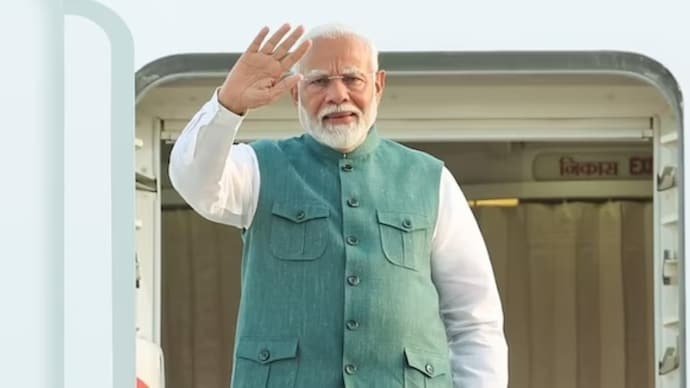
As global energy markets face severe stress, Prime Minister Narendra Modi’s ongoing six-day diplomatic tour of the UAE, Netherlands, Sweden, Norway, and Italy is being recognized as a critical offensive to safeguard India’s energy security.
With Brent crude stubbornly hovering above $100 per barrel due to the U.S.-Iran conflict and shipping anxieties in the crucial Strait of Hormuz, India—which imports nearly 90% of its crude requirements—is feeling the pinch through rising domestic inflation, pressure on oil marketing companies, and a weakening rupee.
Market experts emphasize that while this tour cannot immediately lower international oil prices, it marks a structural shift to protect India from future energy shocks.
The Energy Roadmap: Country-by-Country Strategy
1. UAE: The Vital Hormuz Bypass
Analysts view the UAE as the most critical stop for immediate energy security. The UAE possesses advanced pipeline infrastructure that completely bypasses the volatile Strait of Hormuz, allowing it to export oil even during active geopolitical conflicts.
-
India’s Agenda: Securing additional long-term oil supplies, negotiating favorable credit terms, and exploring alternative local-currency payment mechanisms to protect forex reserves.
2. Norway: Diversifying Away from the Gulf
As one of the world’s largest non-Gulf oil producers, Norway offers India a golden opportunity to diversify its crude sourcing. Additionally, discussions are expected to touch upon directing investments from Norway’s massive Sovereign Wealth Fund into Indian infrastructure, which would provide a timely cushion for the Indian rupee.
3. Netherlands, Sweden, and Italy: The Clean Energy Pivot
The European leg of the tour focuses on structurally reducing India’s dependence on fossil fuels altogether over the next decade.
-
Key Focus Areas: Setting up joint ventures in green hydrogen, expanding Electric Vehicle (EV) ecosystems, securing semiconductor supply chains, and partnering in advanced clean manufacturing.
| Analyst / Expert | Core Market Perspective |
| Abhinav Tiwari (Bonanza Portfolio) | Global oil markets are under severe stress. India’s strategy is correctly focused on managing the domestic economic impact through diversification rather than trying to alter global crude pricing. |
| Hariprasad K (Livelong Wealth) | The tour is a deep strategic effort to shield India from imported inflation. The European partnerships signal a long-term structural shift to lower future oil vulnerability through clean technology. |
| Ponmudi R (Enrich Money) | Oil prices are currently driven by a “fear premium”—shipping uncertainty and insurance risks. While firm supply commitments from this tour will cool market panic, oil-sensitive sectors like aviation, paints, chemicals, and logistics must still prepare for a “higher-for-longer” cost environment. |
The global energy crisis cannot be solved in a single round of diplomatic meetings, as physical supply chains remain vulnerable to geopolitical crossfire. However, by balancing immediate oil supply guarantees in the Middle East with long-term green tech partnerships in Europe, India is actively building a diversified wall to insulate its economy from prolonged West Asian instability.
