

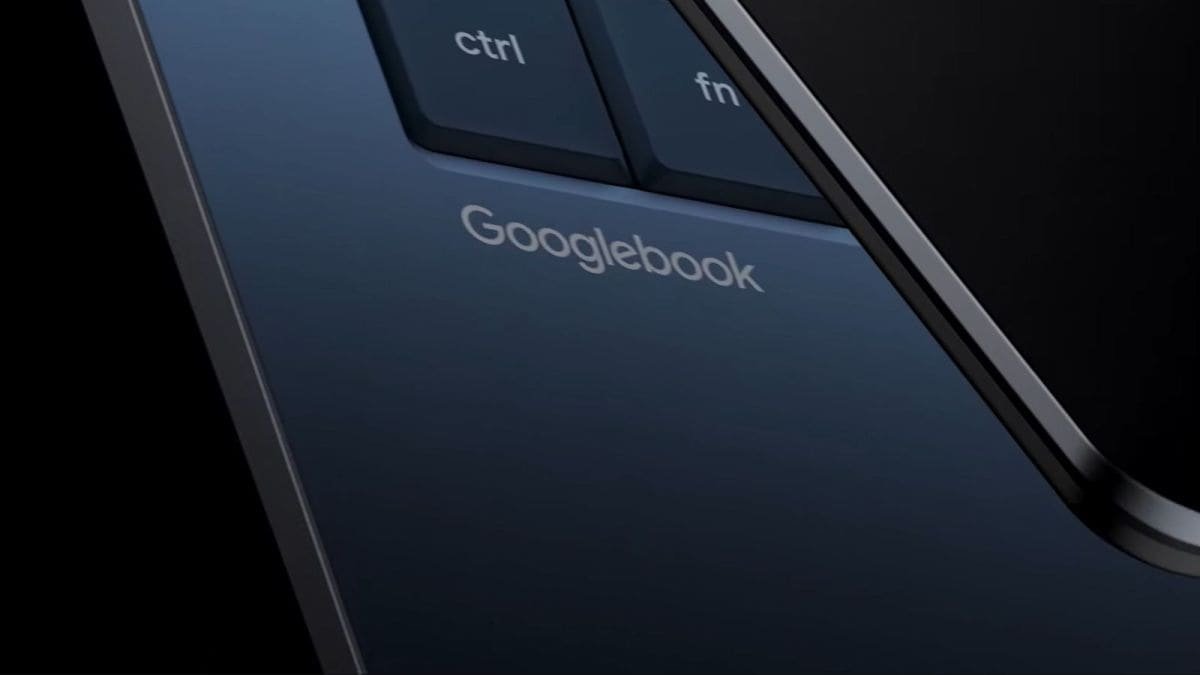
Ahead of the official Google I/O 2026 conference, Google hosted a special “Android Show” to announce a massive suite of updates. The presentation centered on Gemini Intelligence, a high-level automation layer for Android, and the rebranding of Chromebooks into a more AI-centric hardware category.
1. The Arrival of “Googlebook”
Google is officially replacing the Chromebook brand with Googlebook. These devices are built from the ground up to support high-level AI tasks and merge the best of Android and ChromeOS.
-
Magic Pointer: Developed by DeepMind, wiggling the cursor allows users to point at dates to set meetings or compare two images side-by-side instantly.
-
Prompted Widgets: Users can create custom system widgets simply by describing what they need via natural language.
-
Hardware Partners: Acer, ASUS, Dell, HP, and Lenovo will launch the first Googlebooks later this year.
2. Gemini Intelligence & “Rambler”
Gemini Intelligence is an advanced version of the existing AI, designed to handle app automation—the “holy grail” of virtual assistants.
-
Cross-App Actions: It can copy data between apps, fulfill grocery orders from a notes list, and fill out complex forms with one tap.
-
Device Availability: Launching first on the Samsung Galaxy S26 and Google Pixel 10 series.
-
Rambler: A new communication tool that converts speech to text while automatically stripping out filler words like “ums” and “ahs” for a concise message.
3. Android Auto Revamp
The driving experience is receiving its most significant update in years, focusing on 3D visuals and entertainment.
-
3D Navigation: Google Maps will now display 3D buildings, lanes, and stop signs.
-
Adaptive UI: The interface now auto-scales to any screen shape (circular, rectangular, etc.) and supports customizable widgets.
-
In-Car Cinema: When parked, users can stream movies in 60fps Full HD.
-
Audio: Spatial sound with Dolby Atmos is coming to partner vehicles including Tata, Mahindra, BMW, and Mercedes-Benz.
4. The Android-iOS “Peace Treaty”
In a historic move, Google and Apple are streamlining data sharing and migration.
-
Quick Share & AirDrop: The two services are becoming compatible, allowing direct file transfers between Android and iOS without third-party apps.
-
Full Migration: When switching to Android, users can now transfer their home screen layout and eSIM wirelessly from an iPhone.
5. Creator-Centric Tools
Google is partnering with Meta and Adobe to upgrade the creative workflow on Android.
-
Screen Reactions: Pixel users can record themselves and their screens simultaneously for “reaction” style content.
-
Instagram Optimization: Ultra HDR, Night Sight, and video stabilization are being integrated directly into the Instagram app for Android.
-
Adobe Premiere: The full mobile version of Adobe Premiere is finally coming to Android.
6. Digital Wellbeing: “Pause Point”
To combat “doom scrolling,” Google introduced Pause Point. The feature forces a 10-second breather during extended app usage, prompting users to reflect on their screen time, perform a breathing exercise, or switch to a more productive app like an audiobook.
