

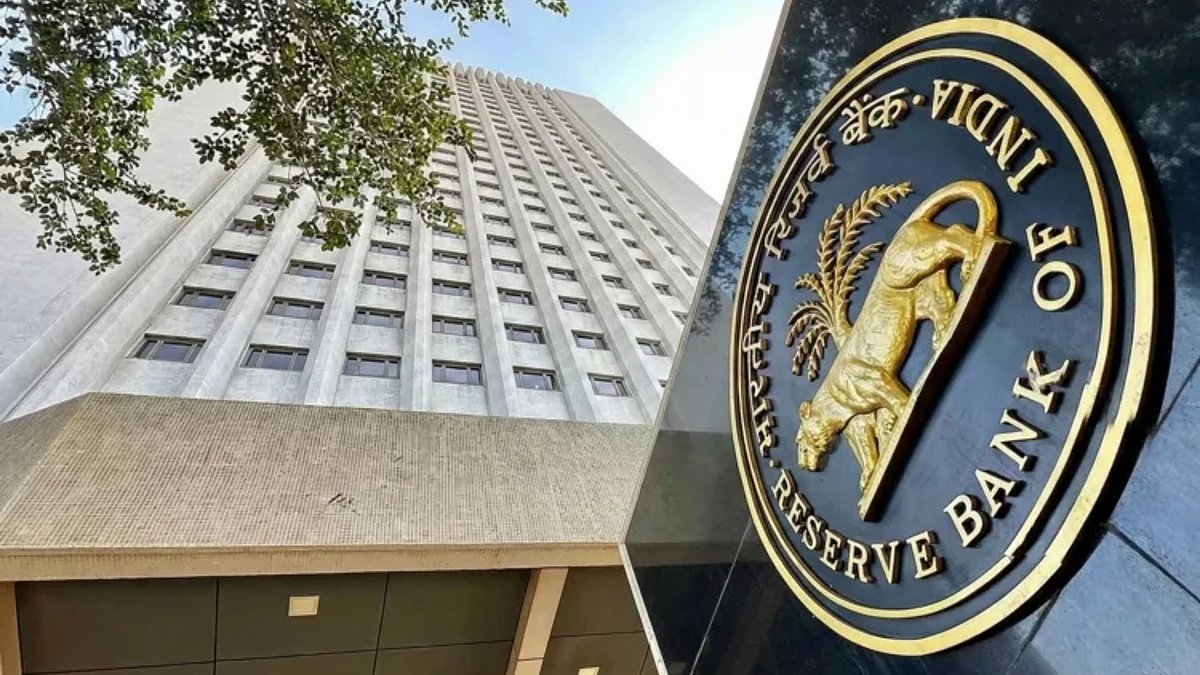
The Reserve Bank of India (RBI) has issued a draft master direction aimed at deepening liquidity and expanding participation within the domestic debt markets. The central bank’s draft framework introduces a pivotal policy shift, proposing that All India Financial Institutions (AIFIs) and Housing Finance Companies (HFCs) be permitted to borrow funds directly from the term money market.
Boosting Monetary Policy Transmission
The term money market involves the borrowing and lending of short-term funds for periods typically extending beyond overnight up to one year. By introducing major non-bank lenders into this space, the RBI seeks to accomplish two goals:
-
Provide alternative, flexible short-term funding routes for massive financial institutions.
-
Form a smoother operational link between overnight money markets and long-term interest rates, fundamentally improving how central bank rate changes flow through the Indian financial system.
New Prudential Borrowing Limits
To maintain systematic stability while infusing liquidity, the RBI has detailed strict net-owned fund cap rules for eligible entities, excluding base-level non-banking financial companies (NBFCs):
| Entity Type | New Proposed Borrowing Limits | Key Operational Conditions |
| Housing Finance Companies (HFCs) | Up to 200% of Net Owned Funds (NOF) | Calculated based on the closing figures of the previous financial year. Excludes base-level NBFCs. |
|
All India Financial Institutions (AIFIs) (EXIM Bank, NABARD, NHB, SIDBI, NaBFID) |
Dependent on internal, board-approved limits | Must fall structurally within the baseline limits prescribed by the RBI’s Department of Regulation. |
| Standalone Primary Dealers (SPDs) | Enhanced to 400% of Net Owned Funds (NOF) | Massive upgrade from the previous 225% limit, applying to term money borrowings (2 to 14 days) and inter-corporate deposits. |
Timeline and Implementation
The policy changes were originally outlined by the central bank during the April monetary policy review. The RBI has formally placed the draft online and requested feedback, suggestions, and comments from market stakeholders and the public through July 17, 2026.
