

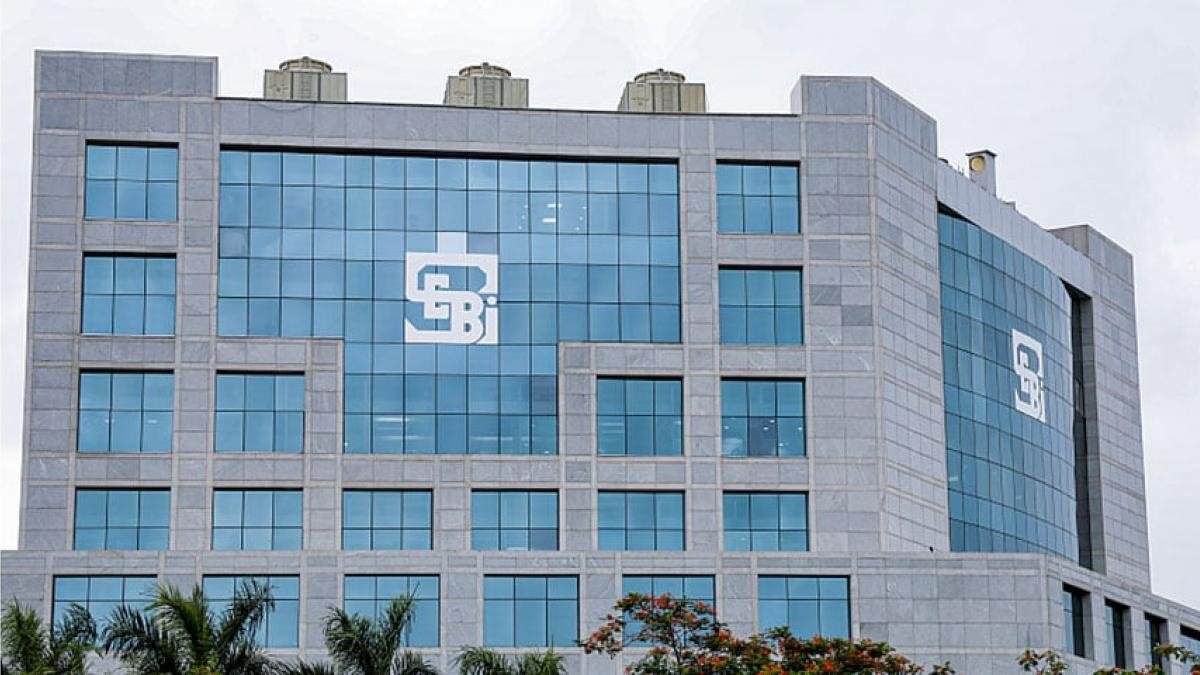
In a significant move to ease the burden on India Inc., the Securities and Exchange Board of India (SEBI) has granted a one-time relaxation regarding public issue timelines and Minimum Public Shareholding (MPS) norms. This relief comes in response to heightened market volatility and dampened investor sentiment caused by ongoing geopolitical tensions in West Asia.
1. Extension of IPO Validity
Typically, when SEBI issues an “observation letter” (its formal approval for an IPO), the company must launch its public issue within 12 months. If the window is missed, the company must refile all documents, a process that is both costly and time-consuming.
-
The Relaxation: SEBI has extended the validity of all observation letters set to expire between April 1, 2026, and September 30, 2026.
-
New Deadline: These approvals will now remain valid until September 30, 2026.
-
The Impact: This move protects roughly 40 companies (seeking to raise over ₹43,500 crore) from seeing their regulatory nods lapse. Notable beneficiaries include Credila Financial Services, Hero Fincorp, and Dorf-Ketal Chemicals.
2. Relief on Minimum Public Shareholding (MPS)
Listed companies in India are required to maintain at least 25% public shareholding. Failure to meet this within the mandated timeline usually triggers penal actions, such as fines or the freezing of promoter shares.
-
The Relaxation: For companies whose MPS compliance deadline falls between April 1 and September 30, 2026, SEBI has instructed stock exchanges not to take any penal action.
-
Retroactive Relief: Any penalties already initiated for non-compliance during this specific window will be withdrawn.
Why has SEBI taken this step?
The regulator cited representations from industry bodies (like FICCI) highlighting the “hostile” environment for fundraising.
-
Geopolitical Turmoil: Tensions in the Middle East have caused global risk aversion and volatile oil prices.
-
Market Sentiment: Foreign investors have pulled out significant capital (over $12 billion in a single month), and the secondary market has seen sharp declines.
-
Avoiding Redundancy: Without this extension, companies would have to “recalibrate or withdraw” plans, leading to a “duplication of regulatory processes.“
Conditions Applied
While the timelines are relaxed, compliance is not.
-
Lead Manager Responsibility: Merchant bankers (lead managers) must provide a written undertaking to SEBI confirming that the company still complies with all disclosure requirements (ICDR Regulations) when they eventually file their updated offer documents.
-
Transparency: Companies must ensure that any material changes in their financial health or business environment are updated in the final prospectus.
In Summary: This “regulatory breathing room” allows companies to wait for a more stable market window to launch their IPOs, ensuring they achieve better valuations while avoiding the administrative nightmare of refiling paperwork.
