

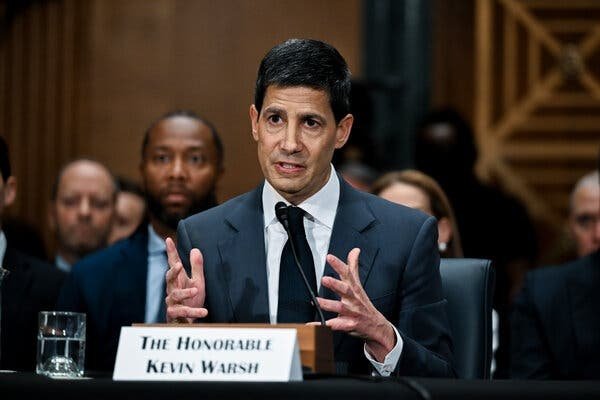
In a major step toward reshaping U.S. monetary policy, the Senate Banking Committee voted today to advance Kevin Warsh as the next Chair of the Federal Reserve. The 13-11 party-line vote marks a critical confirmation hurdle, clearing the path for a full Senate vote next month.
Key Takeaways from the Committee Vote
-
The Vote: All Republican members voted in favor, while Democrats remained unified in their opposition.
-
Overcoming Resistance: The nomination gained momentum after Senator Thom Tillis (R-NC) dropped his previous block over the weekend, following discussions regarding ongoing investigations into the current Fed leadership.
-
Succession Timeline: If confirmed by the full Senate, Warsh is expected to succeed Jerome Powell, whose term as Chair officially expires on May 15, 2026.
What a “Warsh Fed” Could Look Like
Warsh has campaigned on a platform of “regime change” for the central bank, emphasizing several strategic shifts:
-
Focus on Core Mandate: Warsh aims to narrow the Fed’s focus strictly to price stability and employment, moving away from climate policy and social justice initiatives.
-
Communication Overhaul: He has proposed scaling back forward guidance and holding fewer press conferences to reduce political “surface area.“
-
Aggressive Rate Cuts: Despite his hawkish reputation, Warsh has hinted at deeper rate cuts to stimulate the job market, though current inflation spikes (at 3.3% due to global conflict) may complicate this agenda.
-
Balance Sheet Reduction: He plans a “deliberate and choreographed” shrinking of the Fed’s $6.6 trillion bond portfolio.
Political & Market Reaction
-
Independence Concerns: Democrats, led by Senator Elizabeth Warren, have criticized the nomination, characterizing Warsh as a “sock puppet” for the White House and raising alarms about the Fed’s future independence.
-
Market Impact: U.S. stocks and long-term bonds saw modest fluctuations following the news. Investors are weighing the potential for faster rate cuts against the uncertainty of a complete overhaul of the Fed’s inflation framework.
-
Powell’s Final Act: The vote coincided with Jerome Powell presiding over what is widely expected to be his final interest rate-setting meeting.
What’s Next?
The nomination now heads to the full Senate, where Republicans hold a majority. A final confirmation vote is likely to take place in early May, ensuring a leadership transition before the May 15 deadline.
