

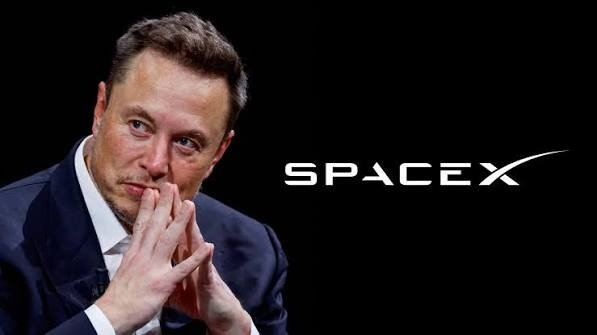
Elon Musk has successfully integrated his business empire, leveraging the financial strength of SpaceX to execute a massive $25 billion investment-grade bond sale. The strategic maneuver effectively absorbs the expensive, high-interest debt previously held by X (formerly Twitter) and artificial intelligence startup xAI, significantly lowering the overall cost of borrowing across Musk’s ventures.
The Financial Blueprint: Trading Junk for Investment-Grade
By merging X and xAI under the SpaceX corporate umbrella, Musk unlocked access to the prestigious US high-grade bond market. This shift allowed SpaceX to replace highly expensive debt with cheaper, investment-grade bonds, optimizing annual interest payouts.
-
The Old Debt Structure: X and xAI previously carried a combined $17.5 billion in high-yield junk bonds and leveraged loans, saddled with steep interest rates between 9.5% and 12.5%. Servicing this debt would have cost an estimated $1.8 billion this year.
-
The New Debt Structure: SpaceX’s inaugural $25 billion bond offering features coupons ranging from 5.35% to 6.65%. Despite borrowing an extra $7.5 billion, the annualized interest expense drops to $1.5 billion—saving $300 million annually in financing costs.
Subsidizing the AI Cash Burn
The structural shakeup comes on the heels of SpaceX’s historic $75 billion initial public offering earlier this month. Musk is strategically using the robust, reliable revenue streams from Starlink’s satellite internet and SpaceX’s lucrative US government rocket contracts to bankroll the capital-intensive AI sector.
While xAI recently secured multi-billion-dollar compute deals with tech giants like Google, Anthropic, and Reflection, its financial footprint remains highly experimental. The AI firm brought in $3.2 billion in sales last year but posted a staggering $6.4 billion operational loss—ballooning significantly from a $1.6 billion loss in 2024.
Wall Street’s Verdict: A Leap of Faith
Despite SpaceX shares experiencing a temporary 25% dip over three trading sessions before a minor recovery, institutional appetite for the bond sale was overwhelming. At its peak, demand reached $89 billion in orders, allowing SpaceX to aggressively negotiate down its interest rates during marketing.
“To invest in this, you’ve essentially got to be a believer. You have to believe revenues are going to ramp significantly over the coming years.” — Art Hogan, Chief Market Strategist at B. Riley Wealth
The Long Road to Refinancing
This bond issuance marks the dramatic final chapter of the chaotic financing saga that began with Musk’s $44 billion acquisition of Twitter in 2022.
-
October 2022: A banking syndicate led by Morgan Stanley gets stuck holding $13 billion in debt after the market sours.
-
Early 2025: Banks finally offload the debt to institutional investors after X aligns with xAI.
-
February 2026: SpaceX acquires xAI, taking on its financial obligations through a temporary $20 billion bridge loan.
-
June 2026: SpaceX issues the $25 billion corporate bond package, permanently wiping out the bridge loan and securing long-term capital.
By tapping into the $8 trillion investment-grade market, SpaceX has secured the deep pockets necessary to fund massive data centers and AI infrastructure. The ultimate test now lies in whether SpaceX can successfully balance its core aerospace triumphs with the volatile, cash-devouring demands of the AI race.
