

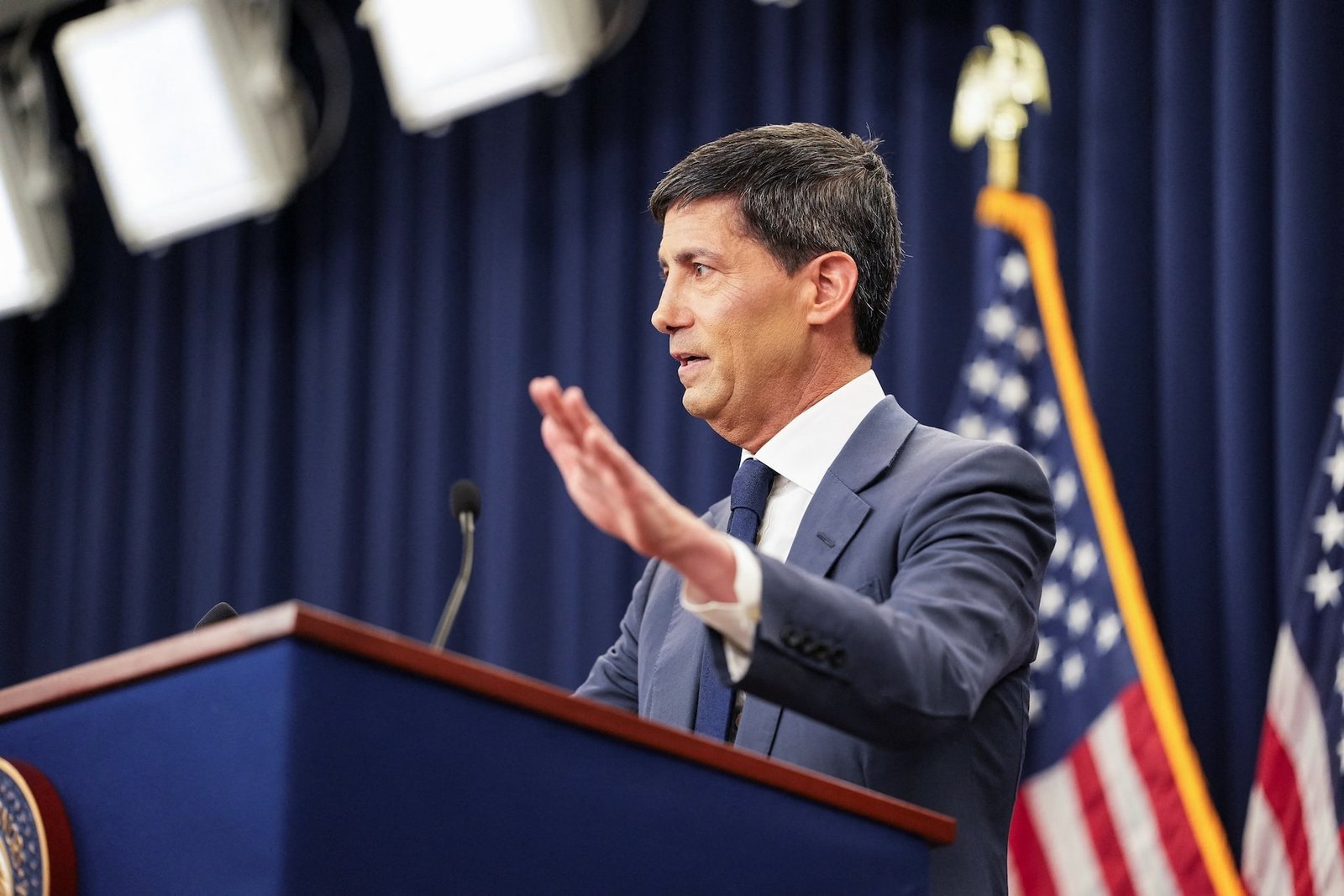
Kevin Warsh, a key nominee for the Federal Reserve, has firmly asserted that he will maintain the central bank’s operational independence if faced with pushback or interference from President Donald Trump.
During his recent congressional testimony, lawmakers heavily questioned Warsh on how he would handle potential political pressure from the White House regarding interest rates and monetary policy. In response, Warsh delivered a clear and direct message: he intends to fully honor his mandate and focus strictly on economic data rather than political demands.
“I will do my job,” Warsh emphasized, reassuring the Senate committee that the central bank’s core duty is to guide the U.S. economy toward maximum employment and price stability, completely insulated from partisan agendas.
The tension surrounding the nomination highlights a long-standing debate over the autonomy of the Federal Reserve. While President Trump has frequently expressed a desire to have more influence over monetary policy—often advocating for lower interest rates to boost growth—the Fed historically relies on its independence to make objective, long-term decisions that protect the health of the U.S. dollar and control inflation. Warsh’s strong stance signals to both markets and legislators that he intends to uphold that institutional barrier.
