

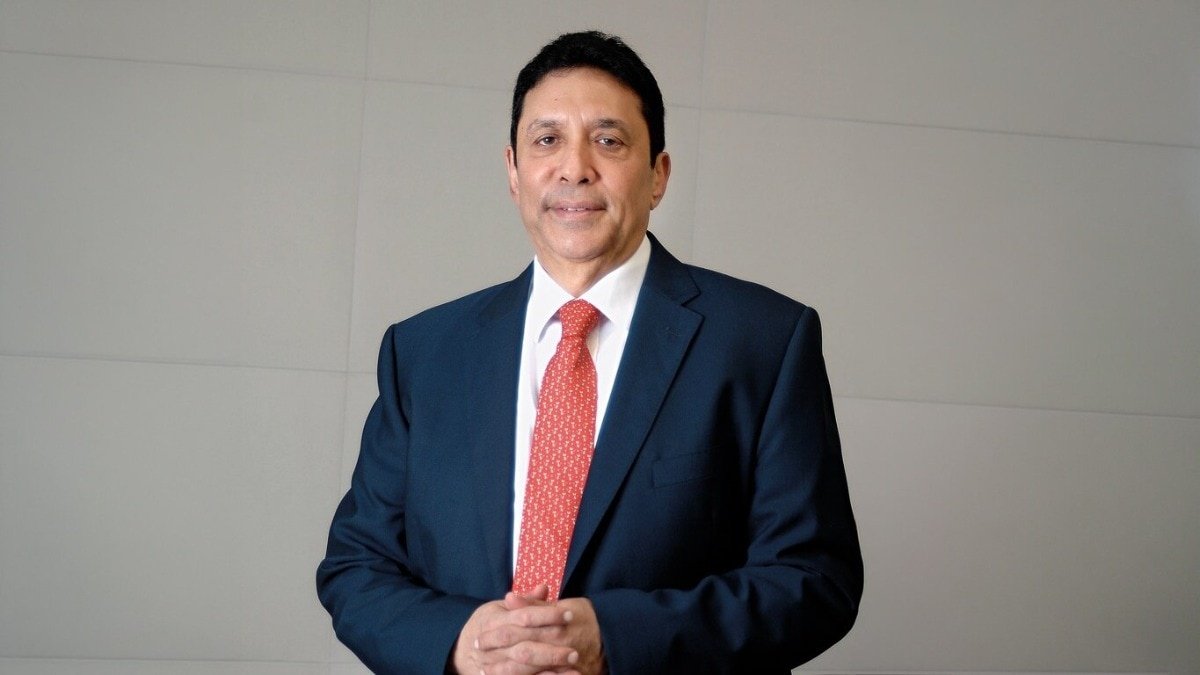
The Reserve Bank of India’s (RBI) decision to grant a three-month extension to Keki Mistry as the interim part-time chairman of HDFC Bank is a highly calculated move to stabilize India’s largest private lender. Mistry, whose initial transitional term was set to conclude, will now remain at the helm until September 18, 2026, or until a regular, permanent chairman is appointed.
For institutional investors and market watchers, this brief extension resolves immediate leadership uncertainty while the bank navigates a sensitive corporate transition.
The Core Catalyst: Resolving the Chakraborty Overhang
To understand why this interim extension matters, investors must look back to the disruption that triggered it. Mistry originally stepped into the role following the abrupt, high-profile resignation of former chairman Atanu Chakraborty.
Chakraborty, a former bureaucrat, stepped down alleging that certain corporate practices within the bank over the previous two years were “incongruent” with his personal values and ethics. The exit sent minor shockwaves through the banking establishment and placed a visible governance overhang on HDFC Bank’s stock.
What the Independent Investigation Found
To clear the air, HDFC Bank’s audit committee engaged three top-tier law firms—domestic powerhouses Trilegal and Wadia Ghandy & Co., alongside international firm Wilson Sonsini—to conduct a rigorous, independent review of whistleblower letters, board meeting recordings, and minutes spanning the last two years.
-
The Verdict: The preliminary findings from the legal investigation have cleared the bank’s top brass. The independent law firms reportedly found no evidence of systemic governance irregularities or ethical breaches matching the gravity implied in Chakraborty’s exit letter.
Why the 3-Month Window Matters for Investors
This three-month breathing room granted by the regulator serves two vital functions for the board and the stock:
1. Removing the CEO Succession/Reappointment Cloud
The independent clearance of the bank’s internal practices is a massive relief for Managing Director and CEO Sashidhar Jagdishan. His current tenure concludes in October 2026. With the legal inquiry putting governance concerns to rest, the path is now significantly smoother for the RBI to evaluate and approve his leadership continuity without external distractions.
2. Crafting a Structured Transition
Keki Mistry—a widely respected corporate veteran who previously served as the Vice Chairman and CEO of HDFC Ltd before the mega-merger—has made it clear that he views this as a purely transitional role. The board will use this extension to complete a structured search for a permanent part-time chairman (with rumors floating around names like former RBI Deputy Governor Rajeshwar Rao) without rushing the process.
The Market Takeaway: The combination of Mistry’s stabilizing presence, the positive clearance from the independent legal review, and the bank simultaneously announcing its 32nd AGM (scheduled for August 5, 2026) alongside a ₹13 per share dividend has restored near-term confidence. The stock reacted positively to the announcement, signaling that the street believes the worst of the governance cloud has cleared.
