

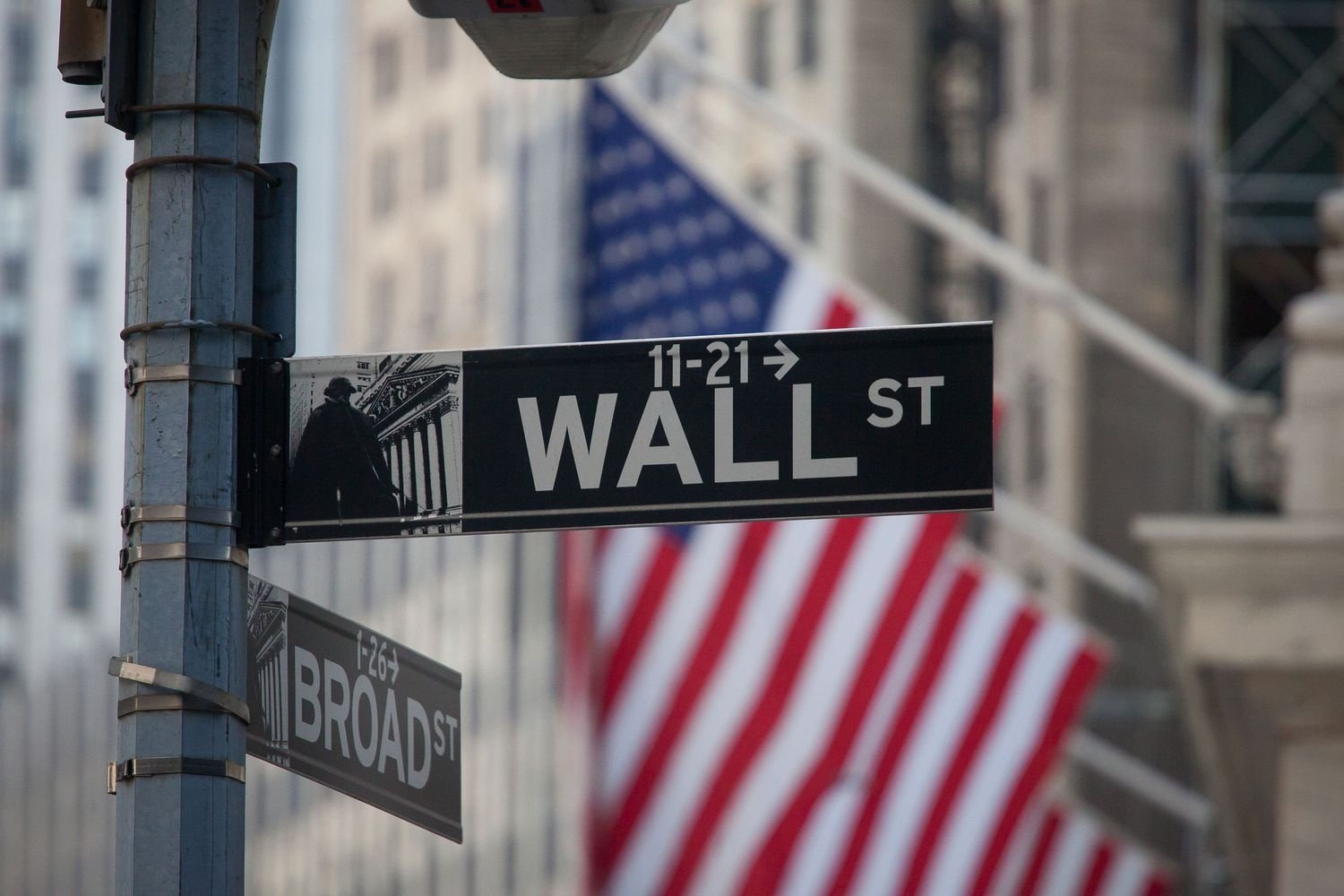
U.S. stock indexes ticked higher in early trading on Wednesday, with technology and semiconductor stocks leading a localized rebound. The modest gains reflect a cautious optimism on Wall Street as global investors anxiously await the first interest rate decision under newly sworn-in Federal Reserve Chair Kevin Warsh.
The two-day Federal Open Market Committee (FOMC) meeting concludes this afternoon, marking the most anticipated monetary policy event of the year as the central bank transitions away from the communication style of former Chair Jerome Powell.
Market Performance Snapshot (Early Trading)
At the opening bell, all three major Wall Street benchmarks hovered in positive territory as investors braced for the policy statement and subsequent press conference:
| Index | Level | Change | % Change |
| Dow Jones Industrial Average | 52,010.79 | +11.12 | +0.02% |
| S&P 500 Index | 7,519.79 | +8.44 | +0.11% |
| Nasdaq Composite | 26,489.56 | +113.22 | +0.43% |
The Macro Environment Inherited by Warsh
While major stock benchmarks like the Dow have recently touched record highs—fueled partly by falling crude oil prices and optimism surrounding a preliminary U.S.-Iran diplomatic agreement—the macroeconomic backdrop remains challenging.
1. The Rate Hold Consensus
The rate decision itself is widely treated as a foregone conclusion. According to CME FedWatch data, there is a 97% probability that the FOMC will hold the benchmark federal funds target rate steady at its current range of 3.50% to 3.75%. This target has remained unchanged since late 2025.
2. Sticky Inflation Pressures
The argument for cutting interest rates has been weakened by recent inflation data. U.S. Consumer Price Index (CPI) numbers for May came in at 4.2% (up from 3.8% in April), driven primarily by energy price disruptions connected to the earlier conflict in the Middle East. With headline inflation remaining stubbornly above the Fed’s 2% target, a near-term cut is highly unlikely.
Three Key Wildcards Investors Are Watching
Because the interest rate pause is already priced into the market, institutional investors are focusing entirely on the structural and communication shifts expected from Warsh’s Fed debut:
-
The Easing Bias Removal: Analysts widely expect the FOMC to alter its policy statement language, dropping its long-held “easing bias.” This would signal a formal pivot to a data-dependent, neutral policy stance, effectively ending expectations for rate cuts in late 2026.
-
The Dot Plot Break: In a significant departure from predecessors like Jerome Powell and Janet Yellen, Bloomberg Economics reports that Chair Warsh may decline to submit his own individual interest-rate projection to the quarterly dot plot. This aligns with his historical skepticism toward providing rigid forward guidance to the markets.
-
A “Reform-Oriented” Communication Style: Warsh, who was sworn in on May 22, 2026, after a highly partisan 54-45 Senate confirmation vote, has publicly advocated for a more streamlined central bank that communicates less frequently. He has also favored “messier meetings” characterized by open, rigorous debate rather than pre-choreographed consensus.The “Shadow Chair” Board Dynamic
Adding to the complexity of this meeting is a unique leadership layout: former Chair Jerome Powell has opted to remain on the Board of Governors, retaining a vote on interest rate decisions through 2028. Wall Street is watching closely to see how this internal dynamic influences policy voting splits, especially after a heavily divided committee closed out the previous policy cycle.
The Fed will officially release its interest rate decision, statement, and Summary of Economic Projections at 2:00 PM EDT, followed immediately by Chair Warsh’s inaugural press conference at 2:30 PM EDT.
