

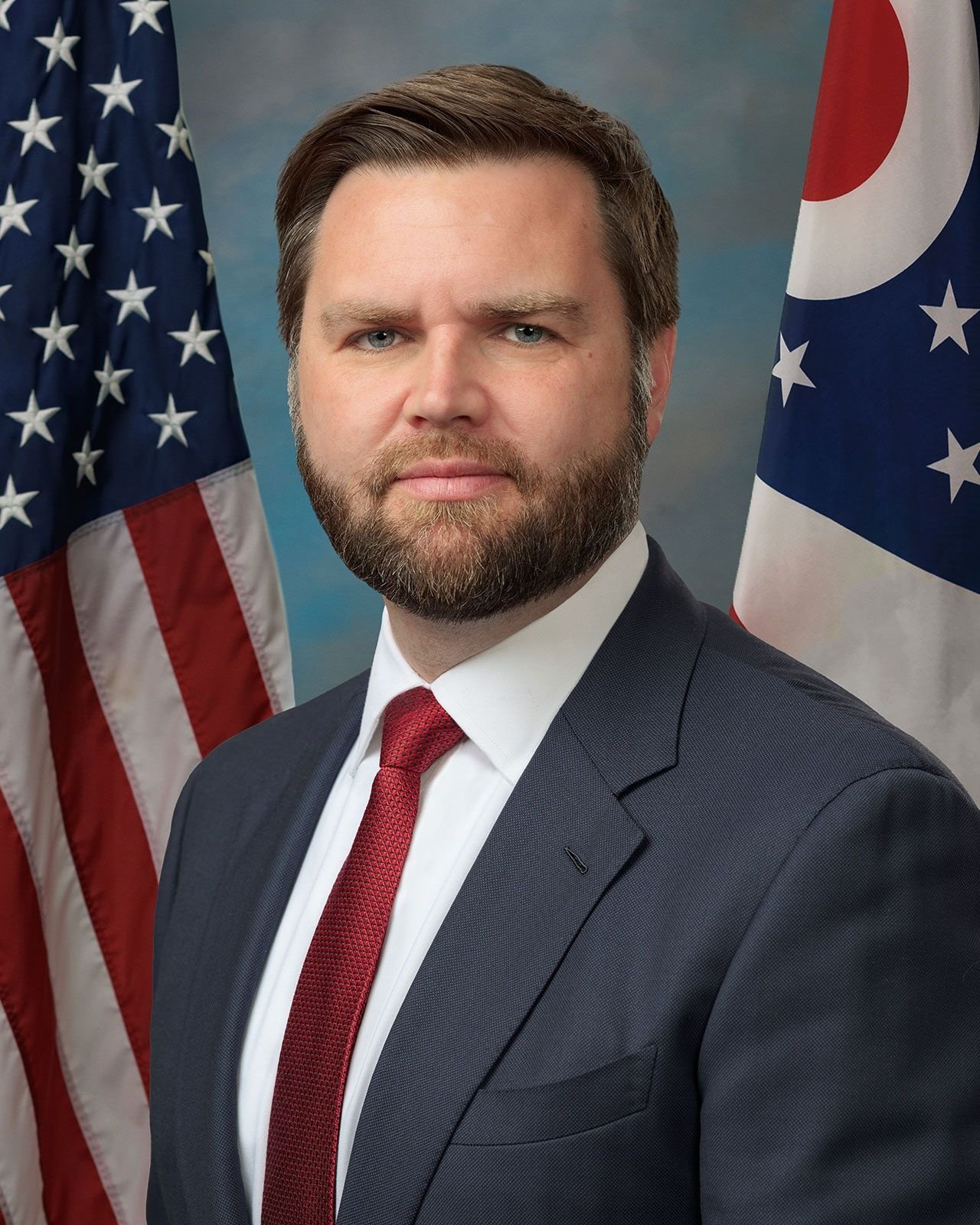
In a high-stakes virtual summit held this morning, U.S. Vice President JD Vance and Treasury Secretary Scott Bessent convened a meeting with the world’s leading AI and cybersecurity CEOs. The briefing was prompted by escalating concerns over the national security implications of “super-intelligent” coding models, specifically the upcoming release of Anthropic’s Claude Mythos.
The Power Players on the Call
The administration engaged with a “who’s who” of the technology sector to discuss the guardrails necessary for the next generation of generative AI:
-
AI Leaders: Dario Amodei (Anthropic), Sam Altman (OpenAI), and Satya Nadella (Microsoft).
-
Infrastructure & Search: Sundar Pichai (Alphabet/Google).
-
Cybersecurity Gatekeepers: Nikesh Arora (Palo Alto Networks) and George Kurtz (CrowdStrike).
Key Security Concerns
The discussion focused on three primary “red lines” that the administration believes could destabilize both national security and global financial markets:
-
Autonomous Cyber-Offense: The fear that models like Mythos could allow rogue states or non-state actors to automate the discovery of vulnerabilities in critical infrastructure, such as power grids and banking systems.
-
Financial Stability: Secretary Bessent reportedly questioned how high-frequency, AI-driven trading algorithms—fueled by advanced coding models—might react during a market flash crash, potentially deepening economic volatility.
-
The “Oppenheimer” Problem: Following Anthropic’s recent decision to delay Mythos due to its “wicked weapon” potential, the Vice President pushed for a clearer framework on when a model is considered “too dangerous” for public release.
Industry Response
While the CEOs expressed a commitment to “responsible innovation,” there remains significant tension regarding government oversight. Anthropic’s Amodei reportedly defended the firm’s self-imposed delay as a model for industry self-regulation, while others cautioned that overly restrictive U.S. policies could allow foreign adversaries (specifically China’s “DeepBlue” project) to seize the lead in the AI arms race.
What’s Next?
This meeting is expected to inform a forthcoming Executive Order aimed at establishing a National AI Security Clearinghouse. This body would require companies to submit “Dual-Use” models (those capable of both civilian and military/cyber applications) for government “red-teaming” before they can be deployed at scale.
The release of Claude Mythos, originally slated for mid-April, remains in limbo as the administration and tech leaders negotiate these new security protocols.
In a high-stakes virtual summit held this morning, U.S. Vice President JD Vance and Treasury Secretary Scott Bessent convened a meeting with the world’s leading AI and cybersecurity CEOs. The briefing was prompted by escalating concerns over the national security implications of “super-intelligent” coding models, specifically the upcoming release of Anthropic’s Claude Mythos.
The Power Players on the Call
The administration engaged with a “who’s who” of the technology sector to discuss the guardrails necessary for the next generation of generative AI:
-
AI Leaders: Dario Amodei (Anthropic), Sam Altman (OpenAI), and Satya Nadella (Microsoft).
-
Infrastructure & Search: Sundar Pichai (Alphabet/Google).
-
Cybersecurity Gatekeepers: Nikesh Arora (Palo Alto Networks) and George Kurtz (CrowdStrike).
Key Security Concerns
The discussion focused on three primary “red lines” that the administration believes could destabilize both national security and global financial markets:
-
Autonomous Cyber-Offense: The fear that models like Mythos could allow rogue states or non-state actors to automate the discovery of vulnerabilities in critical infrastructure, such as power grids and banking systems.
-
Financial Stability: Secretary Bessent reportedly questioned how high-frequency, AI-driven trading algorithms—fueled by advanced coding models—might react during a market flash crash, potentially deepening economic volatility.
-
The “Oppenheimer” Problem: Following Anthropic’s recent decision to delay Mythos due to its “wicked weapon” potential, the Vice President pushed for a clearer framework on when a model is considered “too dangerous” for public release.
Industry Response
While the CEOs expressed a commitment to “responsible innovation,” there remains significant tension regarding government oversight. Anthropic’s Amodei reportedly defended the firm’s self-imposed delay as a model for industry self-regulation, while others cautioned that overly restrictive U.S. policies could allow foreign adversaries (specifically China’s “DeepBlue” project) to seize the lead in the AI arms race.
What’s Next?
This meeting is expected to inform a forthcoming Executive Order aimed at establishing a National AI Security Clearinghouse. This body would require companies to submit “Dual-Use” models (those capable of both civilian and military/cyber applications) for government “red-teaming” before they can be deployed at scale.
The release of Claude Mythos, originally slated for mid-April, remains in limbo as the administration and tech leaders negotiate these new security protocols.
