

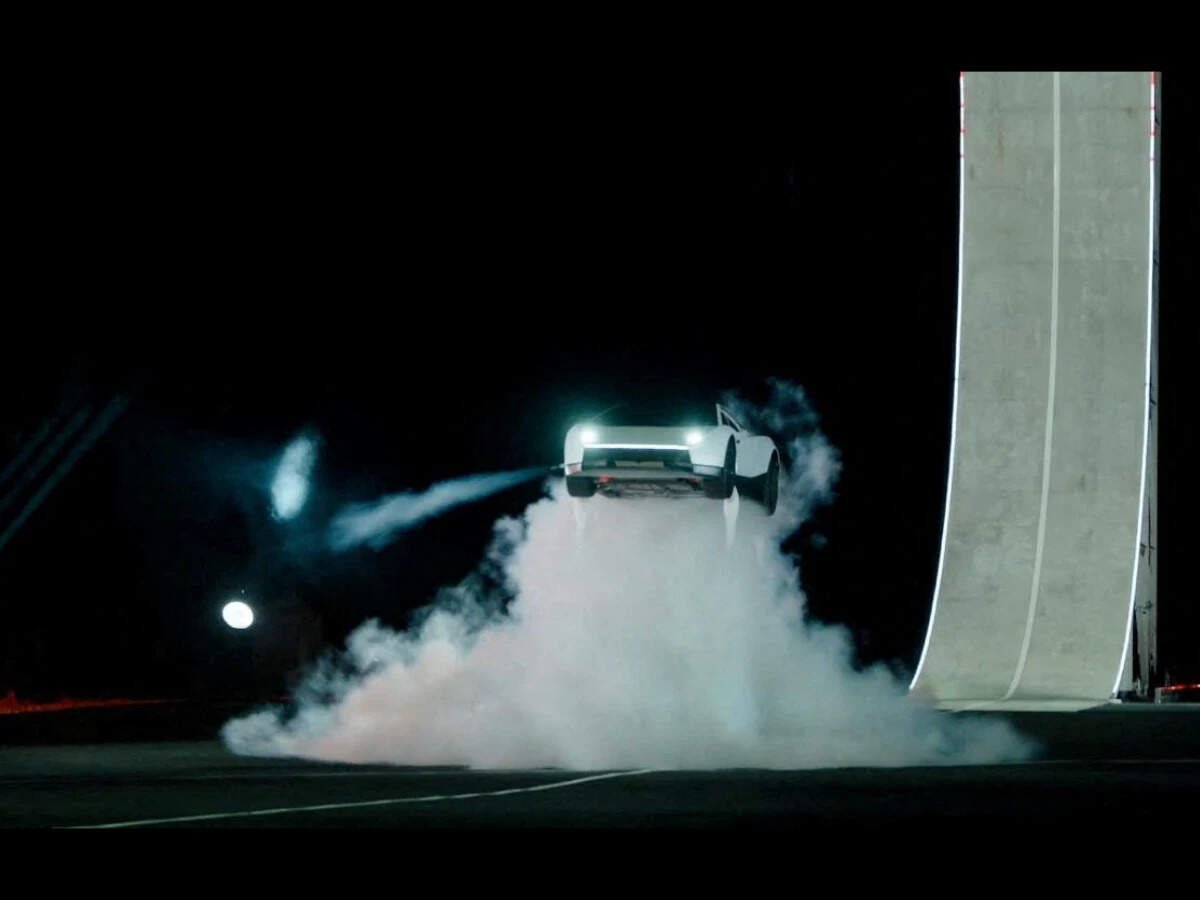
Tesla’s dramatic reveal of its next-generation Roadster near Waco, Texas—complete with suction-enabled upside-down displays and cold-gas rocket thruster barrel rolls—served a much broader purpose than introducing a luxury sports car. Beyond the spectacle, Elon Musk’s vision signals a fundamental pivot: Tesla is stepping away from traditional human-driven vehicle development and transitioning toward robotics, leaving the mainstream high-volume electric vehicle market to increasingly dominant Chinese manufacturers.
Key Industry Takeaways
1. Tesla’s Shift from Traditional Automaker to Robotics Firm
-
Human-Driven Cars Phaseout: Musk indicated that the new Roadster will likely be the last human-driven passenger vehicle Tesla introduces, shifting primary development focus toward full-autonomy platforms like the Cybercab and physical AI (e.g., humanoid robotics).
-
Halo Spectacle over Volume: Designed for production targeted around 2028, the high-performance Roadster functions primarily as a flagship technology demonstrator to generate brand interest, rather than a mass-market sales driver.
2. The Rising Dominance of Chinese EV Manufacturers
-
Manufacturing Cost Advantage: European automotive research by AlixPartners indicates Chinese-produced EVs hold an average $11,000 manufacturing cost advantage over European equivalents.
-
Western Market Pressure: European auto shows, such as the Paris Motor Show, reflect a surge in Chinese brand presence, putting immense pressure on legacy European and American legacy automakers.
-
Geopolitical & Trade Context: Chinese government backing (low-cost loans, subsidized land, and workforce training) has built an industrial supply chain that Western automakers struggle to compete against on price without regulatory trade barriers or protective tariffs.
3. Strategic Responses from Western Automakers
-
Moving Upmarket: Rather than competing in low-margin mass markets against lower-cost Chinese vehicles, Western luxury brands like Porsche are shifting focus toward lower-volume, higher-margin supercars (e.g., the Mission S concept).
-
Paralysis in Mid-Market Vehicle Introductions: Uncertainty around EV transition speed, software development, and cost structures has led to the slowest rate of new-vehicle line introductions in Western markets since the 1970s.
Summary Comparison: Global Auto Industry Dynamics
| Region / Entity | Strategic Focus | Primary Competitive Advantage | Key Challenges |
| Tesla | Autonomous Robotaxis (Cybercab), AI, Robotics & Flagship Halo Vehicles | Autonomous Software, Battery/Power Electronics, Brand Prestige | Vehicle Refresh Rates, Mass-Market Scale vs. Chinese Price Pressure |
| Chinese Automakers | Rapid Global Expansion, Mass-Market EV Scaling | Scale Efficiency, $11,000 Lower Production Costs, Supply Chain Control | Western Tariffs, Regulatory Friction, Brand Recognition |
| Western Legacy Auto | Niche / Premium Pivot, Hybrid Options, Cost Reduction | Legacy Brand Equity, Built-in Distribution Networks | High Manufacturing Overhead, Slow Product Development Cycles |
