

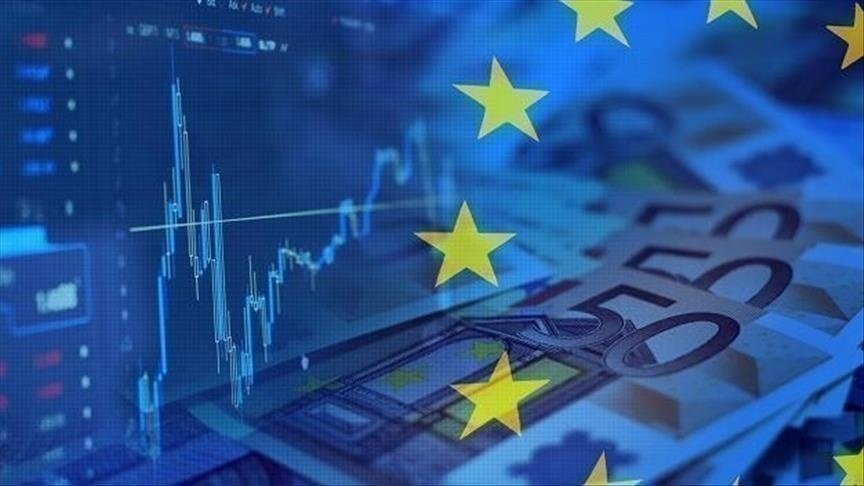
Europe’s benchmark STOXX 600 index hit a fresh historic high on Friday, closing out its strongest weekly performance since mid-May. The market momentum shifted into high gear as investors embraced a wider pool of industries beyond the tech sector, supported by cooling inflation figures and a more balanced global economic outlook.
The pan-European STOXX 600 index rose 0.7% on Friday to finish at a record 652.35. Germany’s DAX followed suit, matching the momentum to notch its own all-time high with an 0.8% gain.
What Is Driving the European Market Surge?
-
The “Value” Rotation: For months, global gains were heavily concentrated in high-flying artificial intelligence and tech companies. This week, however, the rally broadened dynamically into cyclical sectors—including industrials, banks, and financial services.
-
Attractive Relative Valuations: Analysts pointed out that European markets are fundamentally “tech-lite” compared to Wall Street. Because European indexes are less exposed to the volatile AI trade and feature companies trading at lower price-to-earnings (P/E) multiples, they have become an attractive target for investors hunting for relative value.
-
Balanced Rate Outlooks: Slower-than-expected inflation metrics across the Eurozone for June and a less hawkish tone from European Central Bank (ECB) President Christine Lagarde have given investors confidence. Lagarde noted that risks to growth and inflation are becoming much more balanced.
Key Stock Highlights From the Session
-
Siemens (+2.6%): The German industrial heavy hitter provided the biggest lifting power to the DAX index following a favorable broker upgrade from Kepler Cheuvreux.
-
Semiconductor Gains: Chip equipment makers also saw sharp buying interest, with Aixtron leaping 6%, Soitec gaining 5%, and BE Semiconductor advancing 4.2%.
-
Defence Sector (+0.7%): Geopolitical tensions and tragic escalations in the region kept the defense sector elevated, with investors tracking forecasts for increased regional defense production budgets.
Analyst Perspective: “Not only are Europe’s indices less exposed to the AI trade, but they are also relatively cheap,” observed David Morrison, senior market analyst at Trade Nation.
