

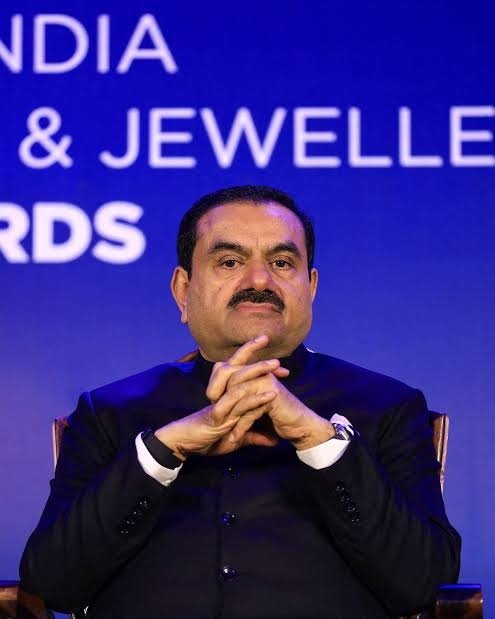
Indian billionaire Gautam Adani will file a sworn affidavit in a U.S. federal court by July 15, addressing whether any undisclosed agreements or investment promises influenced the U.S. Department of Justice’s (DOJ) recent move to drop its criminal indictment against him.
The order, issued by U.S. District Judge Nicholas G. Garaufis, marks an escalation between the court and the Justice Department following the government’s sudden decision to permanently drop the high-profile bribery and securities fraud charges originally brought in late 2024.
Why the Court Intervened
The DOJ previously submitted a 10-page filing led by Principal Associate Deputy Attorney General R. Trent McCotter, arguing that the securities fraud case was legally “indefensible” since the conduct occurred outside the U.S., no investors lost money, and India had already cleared Adani of actionable misconduct. McCotter strongly denied media speculation that the case was dropped in exchange for the Adani Group’s recent pledge to invest roughly $10 billion into the United States, calling the allegations completely false.
However, Judge Garaufis noted that the DOJ’s own filings introduced, “for the first time,” the possibility that some form of unrevealed arrangement might exist. Under federal court guidelines, the judge emphasized that the court must be satisfied that the government’s reasons are entirely transparent and free of backroom deals before officially signing off on the dismissal with prejudice.
What Adani Must Answer
The court has directed Gautam Adani to answer two direct questions under oath:
-
Whether he is aware of any promise, offer, agreement, or benefit connected to the government’s decision to drop the charges.
-
Whether he has knowledge of any explicit exchange made in return for the indictment being thrown out.
Sources close to the matter indicate the billionaire is prepared to submit the affidavit ahead of the mid-July deadline. The Adani Group has declined to comment on the ongoing proceedings, noting that the matter remains sub judice.
Indian billionaire Gautam Adani will file a sworn affidavit in a U.S. federal court by July 15, addressing whether any undisclosed agreements or investment promises influenced the U.S. Department of Justice’s (DOJ) recent move to drop its criminal indictment against him.
The order, issued by U.S. District Judge Nicholas G. Garaufis, marks an escalation between the court and the Justice Department following the government’s sudden decision to permanently drop the high-profile bribery and securities fraud charges originally brought in late 2024.
Why the Court Intervened
The DOJ previously submitted a 10-page filing led by Principal Associate Deputy Attorney General R. Trent McCotter, arguing that the securities fraud case was legally “indefensible” since the conduct occurred outside the U.S., no investors lost money, and India had already cleared Adani of actionable misconduct. McCotter strongly denied media speculation that the case was dropped in exchange for the Adani Group’s recent pledge to invest roughly $10 billion into the United States, calling the allegations completely false.
However, Judge Garaufis noted that the DOJ’s own filings introduced, “for the first time,” the possibility that some form of unrevealed arrangement might exist. Under federal court guidelines, the judge emphasized that the court must be satisfied that the government’s reasons are entirely transparent and free of backroom deals before officially signing off on the dismissal with prejudice.
What Adani Must Answer
The court has directed Gautam Adani to answer two direct questions under oath:
-
Whether he is aware of any promise, offer, agreement, or benefit connected to the government’s decision to drop the charges.
-
Whether he has knowledge of any explicit exchange made in return for the indictment being thrown out.
Sources close to the matter indicate the billionaire is prepared to submit the affidavit ahead of the mid-July deadline. The Adani Group has declined to comment on the ongoing proceedings, noting that the matter remains sub judice.
