

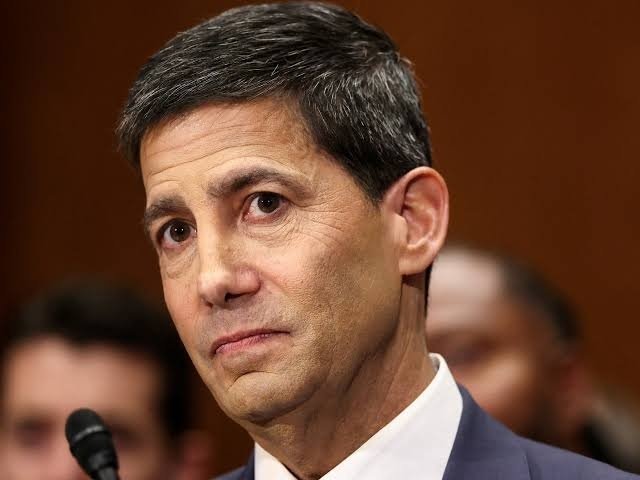
A new financial task force led by former Federal Reserve Governor Kevin Warsh is generating serious buzz among Wall Street insiders and policy experts alike. On paper, the group’s initial lineup and strategic roadmap earn an easy “A” grade. However, translating these polished early proposals into actual policy wins will require navigating a much more unforgiving landscape: securing broad, bipartisan political buy-in.
A Powerful Start with Top-Tier Minds
The group has drawn praise out of the gate primarily due to its sheer intellectual and professional caliber. By assembling a team that bridges deep academic rigor with practical economic experience, Kevin Warsh has built an entity capable of addressing complex macroeconomic stressors.
Rather than churning out generic economic platitudes, the task force’s initial outlines strike exactly the right technical notes. They map out highly practical strategies for balancing market liquidity, addressing systemic risks, and positioning the U.S. financial system against emerging global threats.
The Hard Truth: Policy is Won on the Ground
Despite the initial gold stars from analysts, financial experts warn that intellectual brilliance alone does not guarantee policy success. History is littered with brilliant, expert-backed economic reports that ultimately gathered dust on congressional shelves because they lacked political traction.
To turn its recommendations into actual regulations or laws, the Warsh task force must overcome significant hurdles:
-
Navigating Washington’s Divide: Any proposal seeking to reshape fiscal or monetary strategy will immediately hit the meat-grinder of a deeply divided Congress. If the task force’s ideas are painted as favoring one political ideology over another, they will be dead on arrival.
-
Winning Over Main Street and Wall Street: The group needs to build an incredibly broad coalition. Their proposals must simultaneously satisfy major financial institutions looking for stability and efficiency, while also appealing to the broader public and lawmakers concerned with consumer protection and economic fairness.
Looking Ahead
The Warsh task force has successfully completed phase one: proving they have the brains and the vision to outline meaningful financial reforms. But the real test begins now. Their ultimate legacy won’t be measured by how highly praised their initial ideas are, but by how well they can roll up their sleeves, lobby the skeptics, and build the compromise needed to turn those blueprints into reality.
