

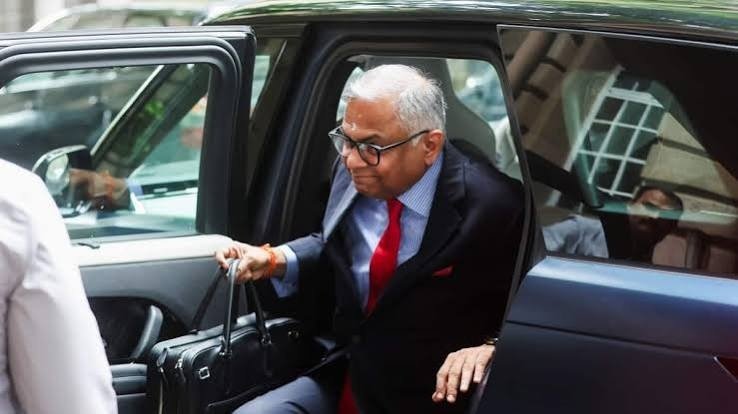
The abrupt resignation of N. Chandrasekaran as Chairman of Tata Sons has re-ignited intense debate over corporate governance and the extent of influence exercised by Tata Trusts, the philanthropic entity holding a 66% controlling stake in the $277 billion conglomerate.
The exit marks the second time in a decade that Tata Sons leadership has parted ways following friction with the controlling charity, echoing the 2016 removal of Cyrus Mistry under Ratan Tata.
Core Drivers Behind the Departure
The primary catalyst behind Chandrasekaran’s exit stems from deep-seated strategic disagreements with Tata Trusts and its Chairman, Noel Tata:
-
Financial Drag of Loss-Making Ventures: Tensions mounted over persistent losses and capital consumption at Air India and select digital/e-commerce bets.
-
Capital Allocation Discipline: Noel Tata pressed for stricter board oversight and clear profitability roadmaps before sanctioning further capital extensions to unlisted arms.
-
$120 Billion Growth Ambition: The leadership departure leaves ambitious, long-term capital deployment plans—including semiconductor manufacturing, EV battery supply chains, and technology expansion—in potential limbo.
Investor Reaction & Governance Concerns
News of the exit triggered an initial $4.6 billion drop in combined market value across Tata Group listed stocks before stabilizing:
| Stakeholder Focus | Key Concerns & Risk Factors |
| Institutional Exposure | Domestic and foreign institutional investors hold an estimated $54B–$56B in equity across major Tata listed entities (TCS, Tata Motors, Tata Steel, etc.). |
| Operational Autonomy | Investors worry that Tata Sons’ ability to independently set commercial priorities and navigate turnaround efforts (such as TCS’ slowing growth or Air India’s operational rebuild) may be compromised by philanthropic imperatives. |
| Governance & Continuity | Analysts note that recurring friction at the top creates reputational risk and highlights structural tensions between profit-driven operations and charity oversight. |
Group Official Stance & Next Steps
In a statement responding to market anxiety, Tata Trusts affirmed its commitment to a smooth transition:
“We extend our full support to Tata Sons in ensuring a smooth, timely and orderly transition of leadership, consistent with the values and long-term interests of Tata Sons and the Tata group.”
— Tata Trusts
A joint selection committee, featuring representatives from Tata Trusts and independent Tata Sons directors, is expected to convene to evaluate candidates for the chairman role ahead of the upcoming Annual General Meeting (AGM).
