

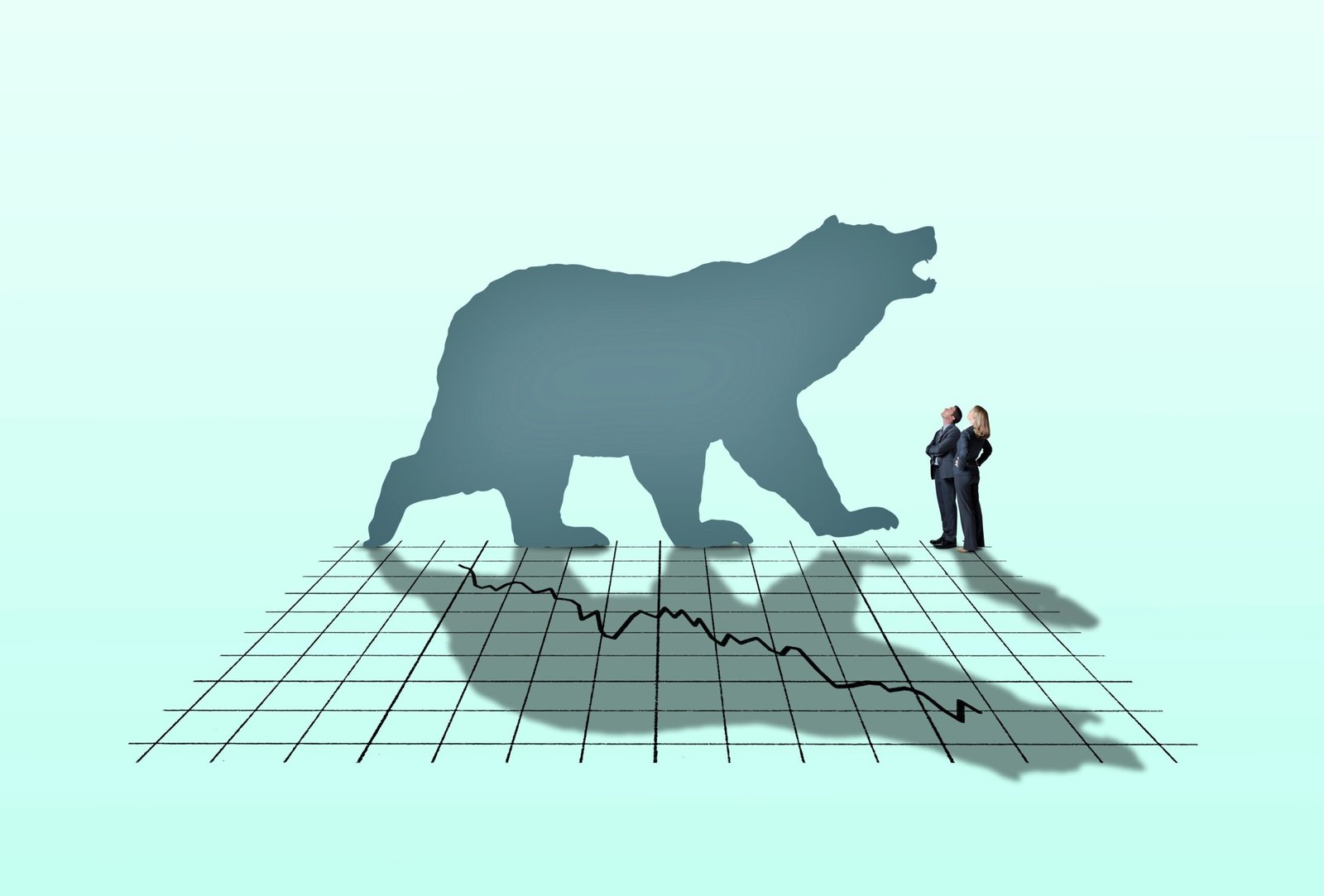
Gold has officially entered a bear market in March 2026, falling 20% from its January all-time high of $5,602 to $4,444. While the drop is significant, historical data suggests that when gold “melts down,” the floor can be much lower than many investors anticipate.
The Three Historical Crashes
To understand the current “rhyme” of the market, analysts are looking at three previous instances where gold saw massive spikes followed by deep corrections.
| Era | Peak Gain | Subsequent Drop | Primary Drivers |
| 1974–1976 | +353% | -43% | Cooling inflation, end of Vietnam War, stronger USD. |
| 1980s | +541% | -52% | Paul Volcker’s 20% interest rates, easing oil crisis. |
| 2011–2015 | +612% | -42% | Quantitative easing taper, robust US economic growth. |
Why Gold is Falling in 2026
The current downturn is heavily influenced by the Iran-US-Israel war, which has created a complex web of economic headwinds:
-
The “Strong Dollar” Trap: Higher oil prices due to the conflict are actually strengthening the US Dollar. Since gold is priced in dollars, a stronger greenback makes the metal more expensive for international buyers, lowering demand.
-
Persistent Inflation & Rates: The war-driven inflation is preventing the US Federal Reserve from cutting interest rates. High rates increase the “opportunity cost” of holding gold, as it pays no interest compared to high-yielding bonds.
-
The 13% Slide: Since the military strikes on Iran began, the US Dollar Index has risen 2.4%, while gold has plummeted 13% in that same window.
How Low Can It Go?
If history repeats—or rhymes—the current correction might still have a long way to run.
-
The $3,000 Target: If gold follows the historical average of a 50% correction from its peak, prices could slide to the $2,800–$3,000 range.
-
Expert Support Levels: Many technical analysts are eyeing $3,600 as a critical psychological and structural floor before a trend reversal occurs.
-
Duration: Historical bear markets in gold typically last over a year; the current three-month slide may be just the opening act.
The Investor Playbook
Despite the “meltdown,” market experts maintain that gold remains a structural long-term play due to ongoing geopolitical instability and central bank demand. However, the current volatility offers a stern warning:
-
Avoid Over-Concentration: Limit gold to 10–15% of your total portfolio.
-
Long-Term Horizon Only: Gold is prone to long periods of dormancy between massive spikes; it is rarely suitable for short-term goals.
-
Watch the Conflict: Gold will likely remain volatile until military conflicts in the Middle East stabilize and global economies find a new “normal.”
