

In a move to capitalize on the shifting geopolitical landscape, Russia has officially offered to fill the energy gap facing China and other “friendly nations” as the U.S.-Israel-Iran war continues to paralyze global trade.
Russian Foreign Minister Sergei Lavrov, speaking from Beijing on Wednesday, asserted that Moscow is uniquely positioned to replace the resources lost due to the effective closure of the Strait of Hormuz.
Strategic Reassurance in Beijing
Lavrov’s visit comes at a critical juncture for the world’s second-largest economy. Following meetings with Chinese President Xi Jinping, both nations reaffirmed an “unshakable” partnership designed to withstand Western economic pressures.
-
The Resource Bridge: Lavrov stated that Russia can “certainly fill the resource gap” created by the war, citing both existing infrastructure and planned expansions.
-
Economic Independence: The Kremlin emphasized that the Russia-China alliance has the necessary “reserves” to avoid dependency on global markets currently destabilized by what Lavrov called “aggressive U.S. adventures.”
-
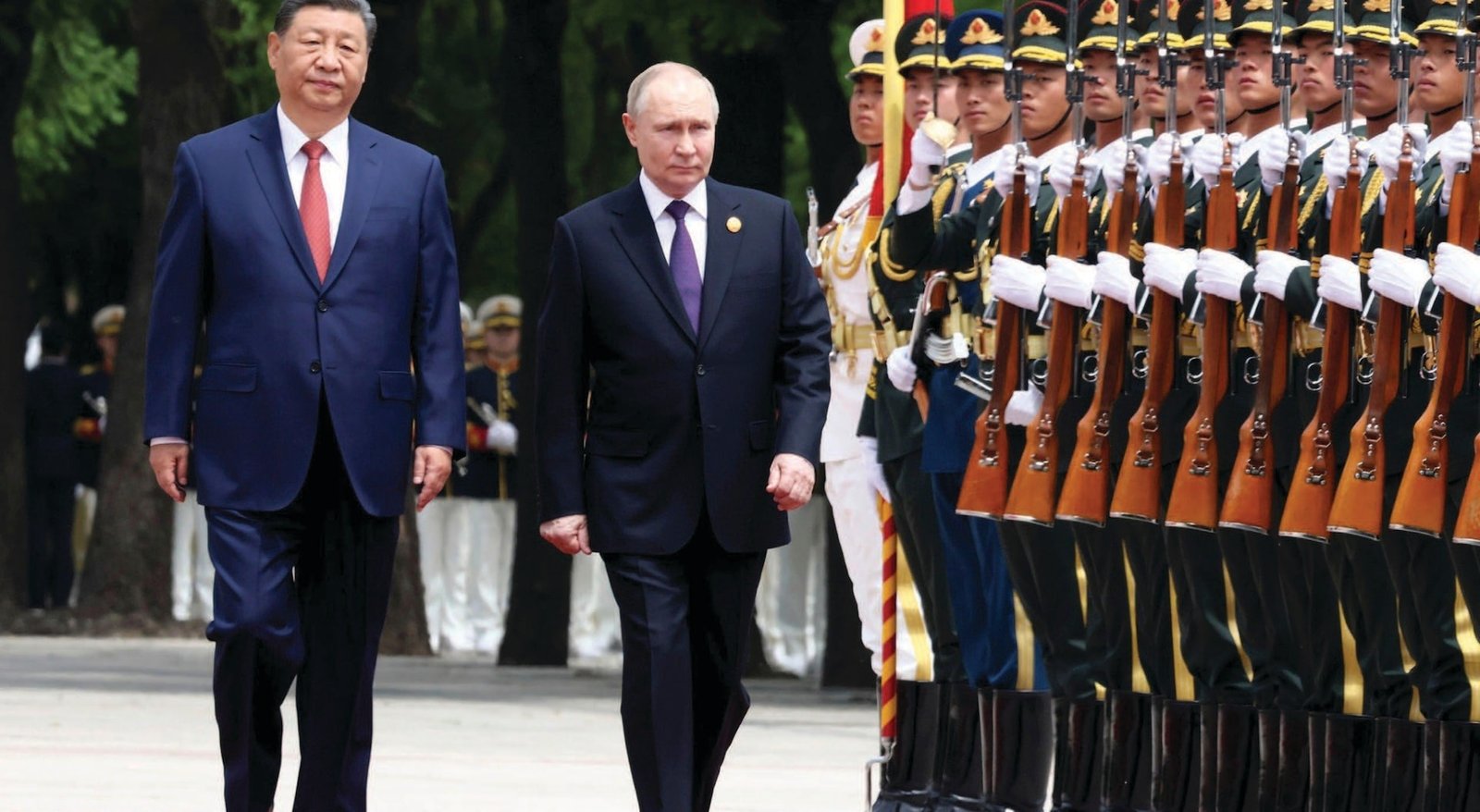
The Upcoming Summits: The diplomatic groundwork is being laid for a major visit by President Vladimir Putin to Beijing, scheduled for the week of May 18. This follows shortly after President Donald Trump’s own planned summit with Xi on May 14-15.
War Impact: The Numbers
While China has substantial oil stockpiles, the physical disruption of Middle Eastern supplies is beginning to manifest in official data.
| Metric | Observation |
| Import Volume | China’s crude oil and gas imports saw a significant drop in March. |
| Russian Pivot | In Q1 2026, 90% of Russia’s crude exports were redirected to China and India. |
| The Blockade | The U.S. naval blockade of Iranian ports, effective as of April 13, has essentially halted Iranian exports to Beijing. |
Mutual Interests and Rising Tensions
Despite Russia’s “windfall” from surging oil prices, the conflict carries significant risks for both Moscow and Beijing.
-
Iran as an Ally: Russia views Iran as a vital regional partner and seeks to prevent a total collapse of the Tehran government following the death of Supreme Leader Ali Khamenei in the early stages of the air war.
-
Shipping Security: China has labeled the U.S. blockade of the Strait of Hormuz “dangerous and irresponsible,” fearing that the conflict could expand to other vital arteries like the Strait of Malacca.
“Thank God, we and China have all the capabilities… to avoid being dependent on this kind of aggressive adventure, which undermines the global economy and global energy.” — Sergei Lavrov, Russian Foreign Minister
The energy crisis has fundamentally reshaped global trade routes, moving Russia from a sanctioned pariah to China’s primary energy guarantor in the span of less than two months.
