

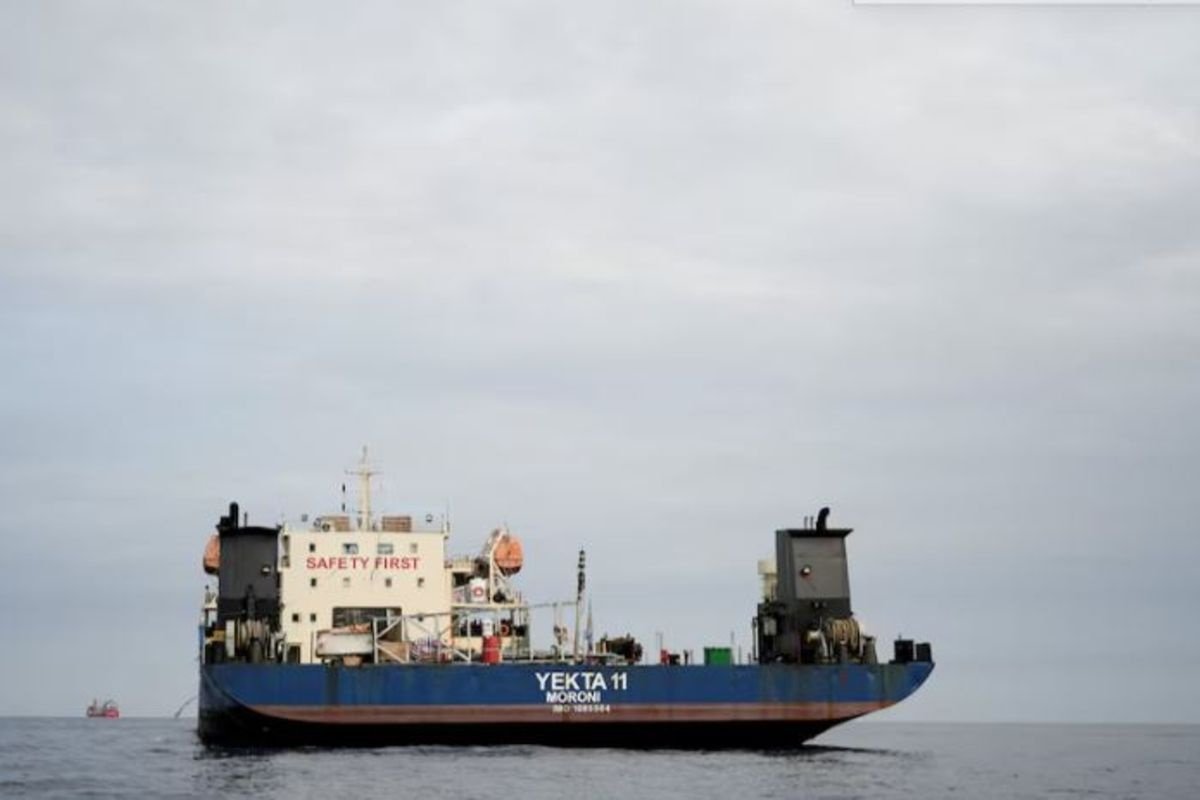
The United States has formalized plans to blockade Iranian ports, issuing a high-stakes directive that authorizes the interception, diversion, and capture of vessels defying the new maritime restrictions. This escalation follows the collapse of weekend peace talks in Pakistan and marks a significant shift in the conflict that began in late February.
The Terms of the Blockade
According to a notice detailed by Bloomberg, the U.S. measures are set to take effect at 3:00 PM London time. The blockade is comprehensive, covering Iran’s entire coastline, including areas east of the strategic Strait of Hormuz.
-
Deadline for Neutral Vessels: Ships currently in Iranian waters have until the deadline to depart or face seizure.
-
Transit Rules: Neutral vessels traveling to or from non-Iranian destinations will be allowed to pass through the Strait of Hormuz, though they remain subject to searches for contraband cargo.
-
Humanitarian Carve-outs: Shipments of food, medical supplies, and essential civilian goods will be permitted, provided they undergo U.S. inspection.
Tehran’s Warning and Global Energy Risks
The move targets Iran’s primary financial lifeline—its oil exports—which had remained largely stable throughout the early stages of the war. In response, Tehran has issued a stern warning: any threat to its shipping hubs will result in Iranian strikes on all ports within and near the Persian Gulf.
“The standoff over the Strait of Hormuz—the world’s most critical energy chokepoint—now threatens to disrupt global oil supplies and expand the theater of war to neighboring Gulf states.”
Political Context
The directive follows President Donald Trump’s announcement to shutter the Strait after failed diplomatic efforts. While U.S. Central Command has declined to provide further details beyond their Sunday statement, the published notice makes it clear that the U.S. is prepared to use force to maintain the blockade.
Meanwhile, secondary tensions remain high as the U.S. issued a “big problem” warning to China regarding potential weapon shipments to Iran, further complicating the international landscape.
