

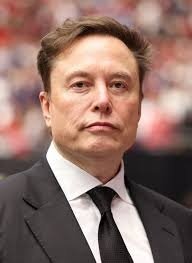
The U.S. Securities and Exchange Commission (SEC) and Elon Musk have submitted a joint defense to a Washington, D.C. federal court, urging the approval of a $1.5 million compromise settlement. The filing serves as a direct response to U.S. District Judge Sparkle Sooknanan, who previously raised “red flags” and refused to “rubber stamp” the agreement.
The Regulatory Disconnect: $150M vs. 1% Recoupment
The civil lawsuit stems from allegations that Musk waited 11 days too long in early 2022 to disclose that his personal holding in Twitter (now X) had crossed the critical 5% threshold. The SEC originally argued that this intentional or reckless delay allowed Musk to quietly buy an additional $500 million in shares at artificially depressed prices before the market reacted, pocketing roughly $150 million in illicit savings at the expense of regular investors.
During a May 13 hearing, Judge Sooknanan aggressively questioned the structure of the deal, highlighting two major anomalies:
-
The Target: Why the SEC was penalizing a revocable trust in Musk’s name rather than enforcing fines against Musk directly.
-
The Penalty: Why the regulator was content to recoup just 1% of the $150 million in alleged ill-gotten gains while allowing the billionaire to forfeit nothing from his actual savings.
The Joint Arguments for Approval
In the legal response, the SEC and Musk’s counsel asserted that the settlement is “fair, reasonable, and appropriate,” vigorously denying any backroom collusion or corruption.
The defense is built on three core arguments:
-
The Nature of Compromise: The SEC acknowledged that while the fine represents a fraction of the initial demand, it is actually the largest penalty ever levied for this specific type of disclosure violation. The agency admitted that successfully proving and clawing back the full $150 million in open court carried immense litigation risk.
-
Binding the Wealth Structure: The regulator justified targeting Musk’s revocable trust, noting that the injunction practically binds Musk’s primary investment vehicle, which he uses to manage a substantial portion of his wealth.
-
The Freedom to Deny: Under a recent policy shift at the SEC, the accord contains a provision allowing Musk to publicly deny the allegations once approved. Musk has consistently maintained that the late filing was completely inadvertent.
The swift settlement follows an internal shakeup at the SEC, including the departure of enforcement chief Margaret Ryan and a broader push by new leadership to de-escalate prolonged, politically charged corporate litigation.
