

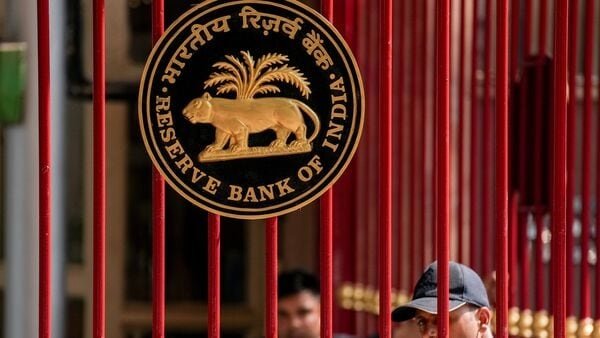
In a major tactical move to fortify India’s foreign exchange reserves, the Reserve Bank of India (RBI) has ordered commercial banks to aggressively mobilize overseas funds. RBI Deputy Governor Rohit Jain met with top banking CEOs in a closed-door session on Friday, declaring that accelerating dollar inflows via Foreign Currency Non-Resident (FCNR(B)) deposits is the “need of the hour.”
The aggressive push comes on the heels of the Indian rupee hitting a historic low of 96.96 against the US dollar in May, driven by heavy capital drawdowns following the outbreak of the US-Iran conflict. While the rupee managed to recover slightly to close at 95.11 on Friday, the RBI is taking no chances.
The War Chest: FCNR(B) Incentives & Rate Hikes
To make the FCNR(B) scheme highly lucrative for Non-Resident Indians (NRIs), Indian banks have moved rapidly to implement aggressive rate hikes.
-
Rate Surge: Almost all major public and private sector lenders have raised interest rates by 200 to 300 basis points this week alone.
-
Yields Offered: Banks are now offering highly attractive yields of 5.25% to 7.10% on three- to five-year foreign currency deposits.
-
The RBI Subsidy: Lenders can offer these high rates because the central bank is absorbing the entire backend hedging cost. The RBI’s “at-par swap” arrangement hands banks a massive concession of 280 to 300 basis points compared to standard market swap costs.
-
Leverage Unlocked: The regulator has eliminated restrictions that previously barred banks from issuing letters of credit or guarantees against these accounts—a move bankers say could multiply final inflows by 10 to 20 times the base capital deployed.
Macro Impact: The Multi-Billion Dollar Inflow Target
The RBI opened this special FCNR(B) swap window on June 5, marking the first time the central bank has deployed this specific crisis-fighting tool since 2013. Market experts and economic analysts believe the structural changes will trigger an avalanche of foreign capital.
| Metric | Current Status / Forecast |
| Peak Forex Reserves (Feb 2026) | $728 Billion |
| Current Forex Reserves (June 5, 2026) | $681 Billion (down $47B) |
| RBI Net Short Forward Position (April) | $95 Billion |
| Conservative Inflow Forecast | $30 – $50 Billion |
| Optimistic Inflow Forecast (ICICI Research) | $70 Billion |
| Projected Rupee Recovery Target | 92.00 – 93.00 against the USD |
Context: The dramatic $47 billion drop in India’s forex reserves since February highlights the sheer scale of the RBI’s currency defense operations over the last few months.
Alongside the foreign exchange push, Deputy Governor Jain urged banking executives to simplify access to domestic retail financial products. He noted that banks must do more to popularize the Unified Lending Interface (ULI), retail government securities, and the central bank digital currency (CBDC/e-Rupee) to maximize overall financial participation.
