

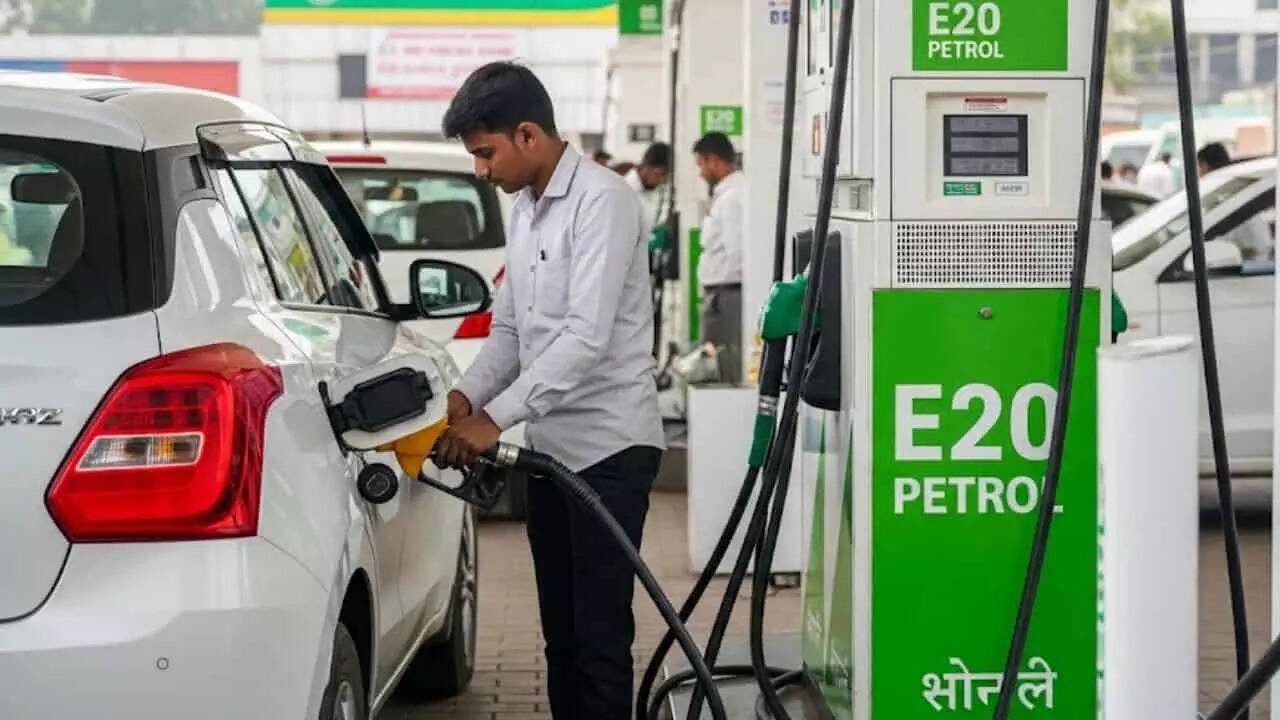
More than a year after India achieved nationwide adoption of E20 petrol (a blend of 20% ethanol and 80% fossil fuel), the real-world economic impact on owners of older automobiles is becoming increasingly visible. While the policy successfully advanced India’s green energy milestones well ahead of its original 2030 deadline, a comprehensive new study reveals a stark disconnect between laboratory projections and consumer wallets.
A nationwide survey conducted by LocalCircles has highlighted growing dissatisfaction among motorists driving pre-2023 vehicles. Instead of experiencing minor adjustments, a majority of respondents report noticeable drops in fuel efficiency alongside corrosive wear and tear that is directly translating into high out-of-pocket maintenance costs.
The Mileage and Repair Reality Check
When E20 fuel was initially introduced, institutional benchmarks by the Automotive Research Association of India (ARAI) estimated a modest efficiency drop of just 1% to 6% for non-compliant engines. However, consumer data captured from 50,000 owners of vehicles manufactured in 2022 or earlier indicates a much more aggressive impact:
-
1 in 2 Motorists have logged a distinct, sustained reduction in fuel efficiency since early 2025.
-
3 in 10 Motorists have experienced unusual mechanical degradation or advanced wear, requiring premature parts replacement.
Ethanol is highly hygroscopic (meaning it actively absorbs moisture from the air) and possesses corrosive properties that can degrade certain materials. In older engines not specifically engineered for high alcohol blends, this chemical behavior causes accelerated rust and degradation across critical fuel infrastructure components.
The Growing Financial Burden on Consumers
These mechanical challenges are causing noticeable financial strain. Out of more than 20,500 owners surveyed regarding their unexpected automotive expenses since early 2025, 52% confirmed they had to pay for additional maintenance or higher fuel consumption costs.
The financial breakdown of these additional expenses shows that a significant portion of older vehicle owners are paying thousands of rupees more to keep their vehicles running:
-
More than ₹25,000: 9% of owners
-
₹15,000 to ₹25,000: 6% of owners
-
₹10,000 to ₹15,000: 17% of owners
-
₹5,000 to ₹10,000: 20% of owners
-
Up to ₹5,000: 6% of owners
-
No additional cost: 11% of owners
-
Uncertain / No clear answer: 25% of owners
The Demand for Consumer Choice: A Push Back to E0 and E10
Faced with rising repair bills and reduced range per tank, consumer preference has shifted decisively away from higher ethanol blends. When asked if they would return to unblended (E0) or low-blend (E10) variants if given the option, an overwhelming 55% of respondents expressed a desire to switch back.
[Consumer Preferences: If E0 or E10 Fuel Re-entered the Market]
█ Switched immediately, even at a premium price (31%)
██ Switched if priced competitively with E20 (24%)
░░ Require more technical data before deciding (23%)
▒▒ Continue utilizing E20 fuel exclusively (12%)
▓▓ Miscellaneous / Occasional use / No response (10%)
Only a small minority of 12% plan to stick with E20 out of choice. This highlights a growing dilemma for Indian motorists: while the country continues to push for higher biofuel blending to reduce crude import bills, owners of older vehicles are left balancing the environmental benefits against tangible, everyday operating costs.
